




Your Next Move, Planned.


Transform Your Basement into a DIY Survival Bunker
Help Others Prepare
Many individuals believe that bunkers are exclusively for wartime scenarios, but in reality, they play a vital role in daily preparedness and can provide essential protection during serious disruptions like SHTF events. Rather than excavating a pit in your yard to construct an underground fortress, consider establishing a practical survival area first. If your residence features a basement, you might already possess the ideal foundation for such a setup. These shelters prove invaluable against various threats, including severe storms like hurricanes or tornadoes, as well as periods of social upheaval or civil disorder. In this guide, we outline practical advice for building a DIY bunker by converting your basement into a reliable survival shelter. Our recommendations will help you sidestep common pitfalls while ensuring comprehensive preparation.
Address Moisture Issues in the Basement
Basements often suffer from high levels of humidity and dampness because they sit below ground level, where evaporation and drying processes are naturally hindered. This persistent moisture poses a significant challenge when transforming the space into a survival bunker, as it can compromise habitability and safety over time.
Excess water not only creates uncomfortable conditions but also fosters the proliferation of mold and mildew. These fungal growths release spores that can trigger severe respiratory issues, posing particular risks to those with underlying health conditions like asthma or allergies. Preventing such problems is crucial for maintaining a healthy environment in your shelter.
To effectively combat water intrusion, begin by identifying all potential entry points. If moisture is penetrating through the concrete walls, carefully remove any existing coverings, apply a high-quality waterproof sealant or paint, and then add proper insulation before reinstalling drywall. As an alternative or complementary measure, invest in a robust dehumidifier to maintain consistent dryness. Achieving a moisture-free zone is fundamental to developing a secure, long-term survival space for yourself and your loved ones, ensuring it remains viable during extended emergencies.
Thoroughly Examine the Basement Foundation
Prior to embarking on the transformation of your basement into a bunker, dedicate sufficient time to a detailed assessment of its structural integrity. Confirming that the foundation is solid and stable is non-negotiable before designating it as your go-to survival refuge.
Conduct a comprehensive inspection from the floor upward to the ceiling, scrutinizing every surface. Pay close attention to any visible cracks in the floors, walls, or ceilings, and note indications of water seepage or pooling. Address all signs of structural weakness immediately, as relying on a compromised space could lead to catastrophic failure precisely when you need it most.
If navigating this evaluation feels overwhelming or you’re unsure about what to look for, it’s wise to engage a professional building inspector. Their expertise provides peace of mind, verifying that your basement meets safety standards and is fully prepared to function as an effective survival shelter without hidden risks.
Regulate Temperature Through Proper Insulation
During major disasters, power outages are almost inevitable, leaving you exposed to extreme seasonal temperatures even within your shelter. To mitigate this, prioritize installing high-quality insulation prior to adding any drywall finishes. The combination of insulation materials and the surrounding earth acts as a natural thermal barrier, helping to stabilize internal temperatures year-round.
Beyond comfort, effective insulation preserves the viability of your stored provisions, preventing spoilage of perishable food items due to temperature fluctuations. Complement this setup by amassing an ample supply of sleeping bags, pillows, blankets, and other bedding essentials to ensure everyone stays warm and rested, regardless of external conditions.
Ensure Optimal Air Quality Control
Maintaining superior air quality is a critical component of bunker preparation, especially to shield occupants from contaminated external air following events like nuclear incidents or widespread airborne pathogens. Implementing a self-contained air storage and recirculation system effectively filters out harmful particulates, delivering clean breathable air into your shelter.
For complex threats such as nuclear fallout, consulting specialists with advanced knowledge is highly advisable to design and install appropriate filtration solutions. A top-tier air purification setup is indispensable for comprehensive protection, making air management and renewal your utmost priority. Remember, human survival without fresh air is limited to just three minutes, underscoring why this aspect demands the most rigorous attention when adapting your basement into a bunker.
Certain indoor plants can assist by converting carbon dioxide into oxygen, serving as a supplementary aid to mechanical systems. Nonetheless, they cannot independently sustain the air needs of a fully occupied shelter, so integrate them thoughtfully alongside primary filtration. Every well-equipped survival space should incorporate monitoring tools including a thermometer, carbon dioxide alarm, carbon monoxide detector, humidity sensor, oxygen level gauge, smoke detector, and radon monitor to proactively track and safeguard air quality.
Secure Reliable Water Supplies
Hydration remains paramount while hunkered down, so plan meticulously for water storage and access. In emergencies, your bunker becomes a long-term haven, and adults typically require at least one gallon of drinking water daily, with additional amounts allocated for hygiene tasks like oral care and handwashing.
Public water supplies may become inaccessible or contaminated post-disaster, ruling out reliance on taps or basement wells. Ensure your family has sufficient reserves tailored to your group’s size and anticipated duration of confinement.
For immediate needs, standard water jugs suffice, but for prolonged scenarios, opt for scalable solutions like the WaterBOB, which accommodates 100 gallons without leaks, spills, or off-putting tastes. These containers keep water pristine, free from bacteria, toxins, or contaminants, offering a dependable, economical long-term storage method.
Organize Effective Food Storage Solutions
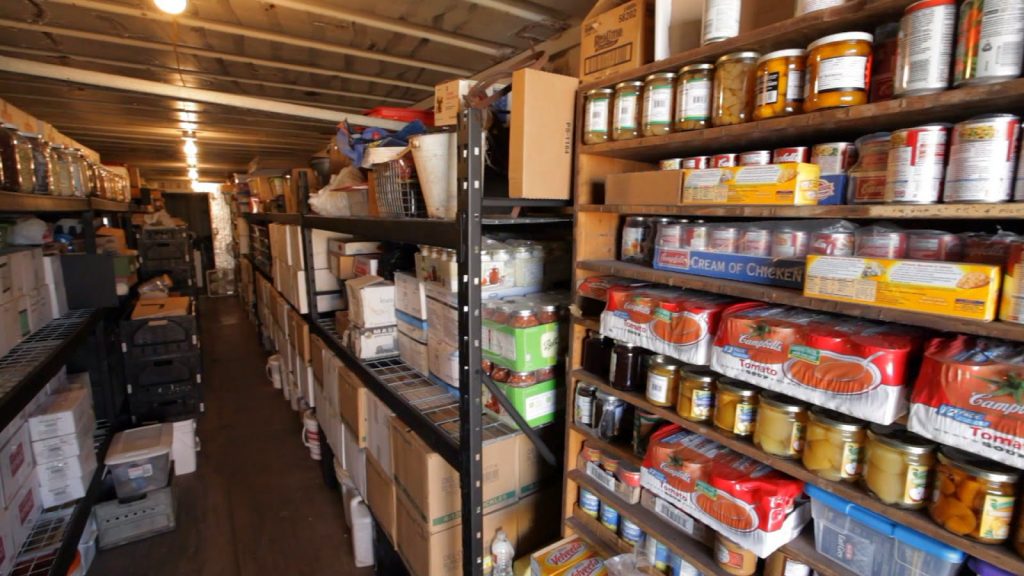
A well-curated emergency food stockpile eliminates the desperation of foraging during crises, allowing you to remain secure indoors. Essential items encompass canned fruits and vegetables for nutrition, bulk dry goods for bulk calories, and freeze-dried options for lightweight, long-shelf-life sustenance.
For extended-duration preparedness, develop a detailed inventory list and implement a rotation system to prevent waste. Regularly review expiration dates, rotating near-expiry items into daily use and replenishing with fresh supplies. Since canned products are weighty, equip your space with heavy-duty shelving units capable of supporting substantial loads. In seismically active areas, anchor shelves securely to walls to avert collapses during tremors.
Avoid using camp stoves indoors due to the lethal risk of carbon monoxide accumulation in confined areas. Instead, prioritize Meals Ready to Eat (MREs) or consume cold canned foods to eliminate cooking hazards while maintaining nutritional intake.
Cultivate Fresh Produce Inside Your Bunker
Despite ample canned and dry provisions, the human palate yearns for fresh greenery, and surprisingly, this is achievable even without natural sunlight. Key requirements include a steady water source and an independent power supply to fuel artificial lighting for photosynthesis. With sufficient room, your bunker can support a variety of crops tailored to your needs.
In dire circumstances such as nuclear conflicts, homegrown food becomes a lifeline, as external vegetation may absorb radioactive isotopes from contaminated soil, rendering it toxic. Soil-free methods like hydroponics and aquaponics excel in subterranean settings; hydroponics relies on nutrient-rich water, while aquaponics incorporates fish tanks where aquatic waste fertilizes plants naturally.
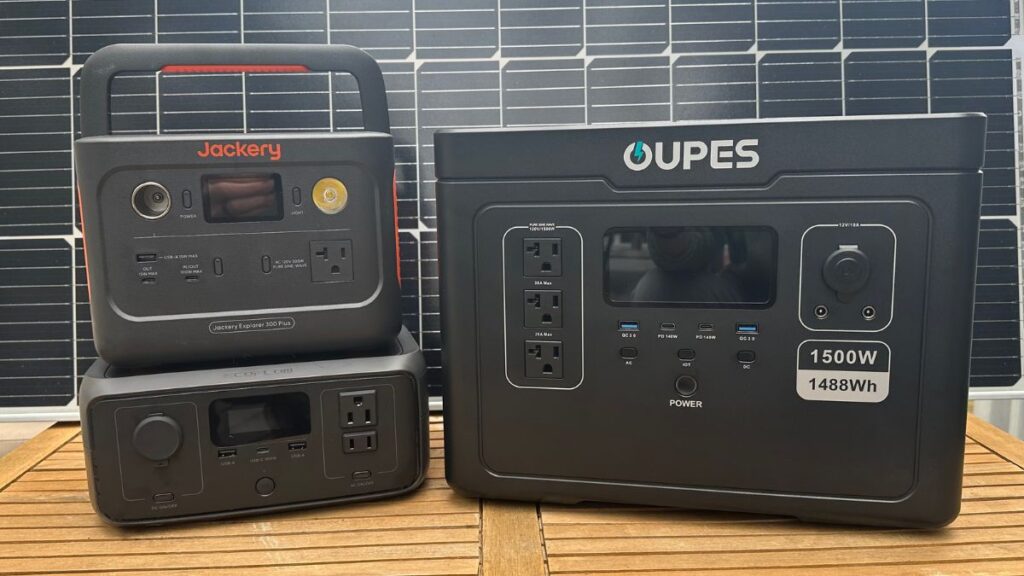
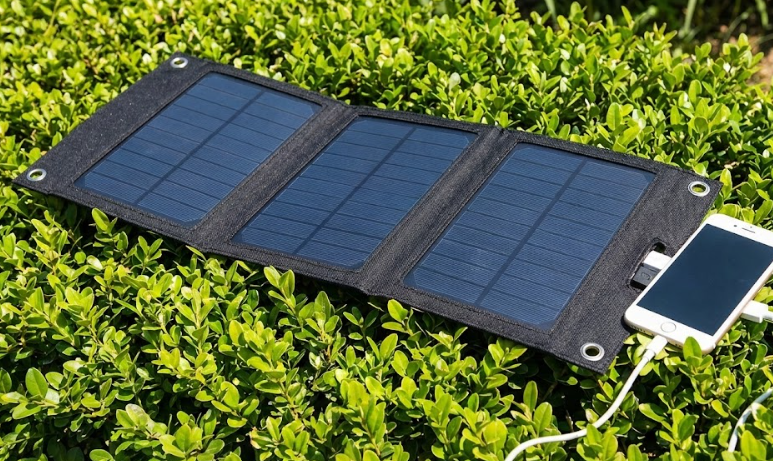
Enhance feasibility by installing solar panels on your roof to generate off-grid electricity, powering grow lights reliably and facilitating year-round cultivation within your survival shelter.
Maintain Personal Hygiene Standards
Hygiene often gets overlooked amid bunker planning, yet in a crowded enclosed area, neglecting it leads to rapid discomfort and health risks. Essential routines like dental care, bathing, and sanitation must continue uninterrupted. While some basements include bathrooms, utility failures render toilets inoperable without water or power.
Stockpile wet wipes for efficient body cleaning and use washcloths for spot treatments to conserve water. For laundry, repurpose a lidded 5-gallon bucket paired with a dedicated plunger to agitate and rinse clothes manually, preserving cleanliness without excessive resource use.
Design Multiple Escape Routes
A prudent survival shelter incorporates redundant egress options to counter scenarios where structural collapse blocks primary access. Plan at least two distinct exits: one connecting to the upper house levels and another emerging into the backyard for external evacuation.
If your basement currently has only a single doorway, retrofit an additional exit on the opposing wall to maximize flexibility. These multiple pathways prove lifesaving during emergencies requiring swift departure from the shelter.

Strategize Intelligent Sheltering Decisions
While bunkering down offers robust defense against unfolding catastrophes, discernment is key-knowing when to stay put versus when to evacuate can determine outcomes. Prepare mentally and logistically for both contingencies to avoid being caught off-guard by changing conditions.
Armed with these comprehensive strategies, you’re equipped to methodically convert your basement into a fortified survival shelter. Though the process requires investment in time and effort, the payoff manifests in unparalleled readiness for unforeseen disasters. This home-based solution excels in accessibility-simply descend the stairs and secure the entrance. Proper execution ensures your bunker remains dry, temperate, and inviting, evolving from mere storage into a comforting sanctuary amid turmoil.