






Your Next Move, Planned.


Tornado Survival Guide: No Basement Needed
Help Others Prepare
Many individuals who gear up for various emergencies tend to prioritize scenarios like social disturbances, electromagnetic pulses, or extended power failures. However, one of the most hazardous and ruinous events in the history of the United States frequently escapes attention.
If you have not personally endured a tornado, it can be challenging to comprehend the level of destruction it can inflict within mere minutes. Wind speeds surpassing 300 miles per hour have the power to demolish entire residential areas into rubble and transform ordinary items into deadly missiles hurtling through the air.
Although specific geographic zones experience higher incidences of tornadoes, no location is entirely safe from them. These powerful vortices can move at velocities between 50 and 70 miles per hour, staying grounded for extensive distances, which allows them to approach unexpectedly and traverse urban centers, major roadways, and countryside regions without discrimination. Annually, formidable tornadoes impact states well beyond the conventional boundaries of what is known as Tornado Alley, leaving residents who are not adequately prepared in a state of shock.
Surviving the immediate fury of the tornado represents just the initial obstacle. In the subsequent period, entire communities frequently find themselves without electricity, vehicles rendered inoperable, residences uninhabitable, pets unaccounted for, and family members dispersed. For numerous people, the process of rebuilding and recovery extends over several months or even years. Viewed through this lens, committing resources to construct a basement or a fortified safe room emerges as an essential investment rather than a luxury.
Nevertheless, a vast number of Americans reside in dwellings without basements. Some inhabit mobile homes or multi-unit apartment complexes, others occupy slab-foundation houses, or they might be away from their residences during the onset of a tornado. In such critical situations, the pressing inquiry arises: what constitutes the most secure course of action when a basement is unavailable?
We consulted with specialists in disaster survival to address this very question, and the following guidance reflects their expert recommendations.
Understanding Tornado Risks
Tornadoes manifest as intensely ferocious columns of rotating wind, with velocities capable of surpassing 200 miles per hour. These phenomena are categorized on the Enhanced Fujita scale from EF1 to EF5, each denoting escalating levels of destructive potential.
It is important to recognize that even a tornado initially classified as an EF1 possesses the capacity to inflict substantial harm. This risk is amplified by the possibility of multiple lesser tornadoes spawning within a single storm system.
Although the Midwest and Great Plains regions garner the most notoriety under the moniker Tornado Alley, severe weather events that spawn tornadoes along with destructive straight-line winds can materialize in virtually any part of the country.
Given their rapid formation and minimal advance notice, effective survival hinges on proactive planning implemented well in advance of any touchdown. Among the primary hazards posed by tornadoes are airborne debris, fragments of broken glass, and unsecured household objects, all of which can morph into fatal projectiles during the storm’s passage.
Early Warning Signs of a Tornado
Although official weather authorities strive to issue timely alerts, tornadoes can sometimes develop and strike prior to the activation of warning sirens.
Therefore, whenever severe storm conditions are forecasted and access to a basement is not feasible, remain vigilant for these key indicators of impending tornado activity:
- Green Skies. An unusual greenish tint appearing in the sky frequently signals approaching tornado formation, particularly noticeable in the afternoon westward horizon. Even absent a tornado, this coloration often heralds the arrival of large hailstones and potent straight-line winds capable of causing significant damage.
- Black Skies, accompanied by a pronounced shift in wind direction and intensity, serve as another harbinger of tornado potential, especially during twilight hours or early evening.
- A Wall Cloud. The emergence of a prominent dark wall cloud, where the sky transitions abruptly from pale gray to deep gray or black, typically marks a significant atmospheric boundary. This formation is a hotspot for tornado genesis, and observers may detect initial rotational movements along its edge.
- Large Hail. Storm systems conducive to tornado development commonly generate substantial hail prior to or concurrent with funnel touchdown.
- Freight Train Sound. Numerous tornado survivors liken the sound of an advancing funnel to that of a thundering freight train, attributable both to alterations in air pressure and the abrasive scouring of debris across the terrain.
Even for those embracing an off-grid lifestyle, natural disasters do not respect personal property lines or isolation. Inevitably, interactions with urban environments become necessary-whether for familial visits, administrative errands, medical appointments, or procuring supplies. During such excursions, away from familiar tools and established protocols, a tornado can strike with equal ferocity.
Thus, in scenarios where a tornado encounters you without accessible shelter, adhering to these protective protocols can substantially enhance your odds of emerging unscathed:
- Steer clear of highway overpasses, as they can channel winds, accelerate airflow, and amplify the lethality of propelled debris.
- Whenever feasible, abandon your vehicle and seek refuge in a depression such as a ditch or natural lowland.
- Position yourself flat on the ground, facing downward, to minimize your exposure height.
- Shield your head and neck using your arms, outerwear, or any nearby material to guard against incoming debris.
- Maintain a prone position to diminish your silhouette against the gale forces and mitigate uplift risks.
- As an absolute last resort if confined to your vehicle, ensure your seatbelt is fastened securely.
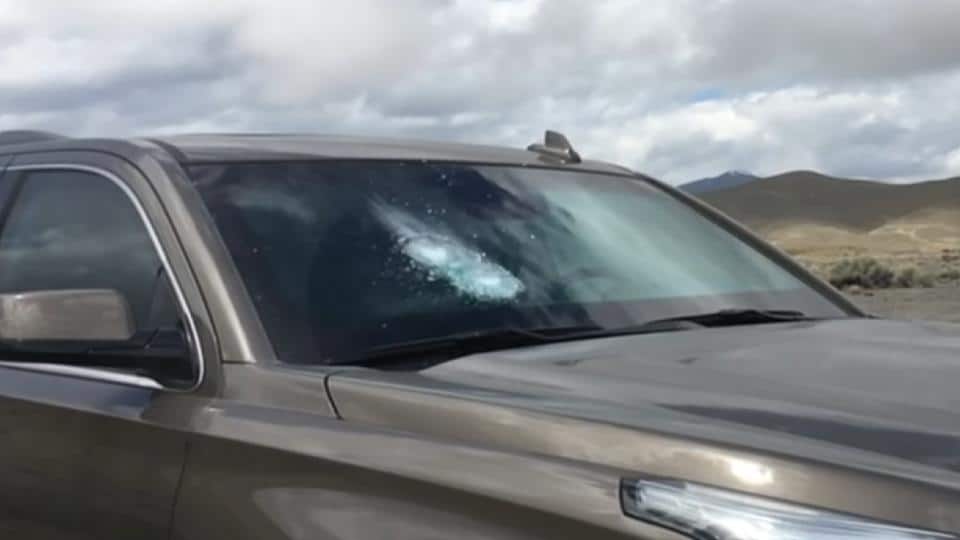
- Duck your head below the level of windows to lessen vulnerability to fracturing glass and airborne objects.
- Employ blankets, coats, or limbs to fortify protection over your head and neck to the fullest extent possible.
How to Survive a Tornado While Driving
Even residents of homes equipped with basements may find themselves behind the wheel when a tornado descends unexpectedly. In such instances, attempting to outpace the tornado is inadvisable unless it is visibly distant and tracking in a consistent trajectory.
These storms can alter course abruptly, and automobiles lack the capability to compete with their velocity or raw destructive force. Should the tornado appear on a path transverse to your route, maneuvering your vehicle at a right angle might enable evasion.
Conversely, if the funnel advances directly toward you, remaining inside the car ranks among the poorest choices, as even milder tornadoes can effortlessly overturn vehicles.
When evasion by driving proves impossible, prioritize locating a more secure haven. Scan for robust structures like rest areas, retail outlets, or fuel stations, and enter without delay.
On one occasion, I positioned my truck in the lee of a solid brick structure at a miniature golf facility to evade an oncoming tornado. I witnessed tree limbs hurtling like javelins beyond the shelter of the bricks as the golf course was utterly obliterated. Once the tornado departed, only my truck and the brick edifice remained intact-a narrow margin that prevented capsizing and shielded us from the onslaught of debris.
Where to Find Shelter if You Don’t Have a Basement
Should your residence lack a basement, and indicators of tornado activity or sirens activate, consider these optimal shelter alternatives.
Interior Rooms
During a tornado threat at home, maximize the number of interior walls separating you from the exterior environment. This strategy impedes the advance of the high-speed debris field that accompanies tornadoes. The ideal selection is a compact, interior room devoid of windows on the ground level, such as a bathroom, closet, or utility pantry.
Hallways and Under Stairs
Absent suitable small rooms, opt for a centrally located hallway or the space beneath a staircase. Insulate yourself with a mattress, sleeping bag, or thick bedding to deflect potential flying debris.
Bathroom
Bathrooms offer supplementary reinforcement from embedded plumbing fixtures within the walls. Reclining in the tub interposes additional robust barriers between you and any intruding debris.
For groups sheltering in the bathroom, huddle closely with the most substantial individual positioned uppermost. Should the roof be stripped away and uplift forces engage, this extra mass could anchor the group securely.
It proves prudent to maintain a first-aid kit in the bathroom vicinity. Post-tornado, when medical facilities are inundated or unreachable, essentials like antibiotics prove indispensable. Items including antiseptics, dressings, analgesics, and foundational medical provisions can distinguish between a minor wound and a fatal complication.
Given the rapid depletion of medical resources amid large-scale disasters, such supplies acquire barter value. Consequently, experts advise against consolidating all medical stores in a single, conspicuous site. Employ decoys, distribute caches across layers and locations, ensuring that forfeiture of one does not compromise the entirety.
A Nearby Storm Shelter
In regions prone to tornadoes without basements, prefabricated safe rooms or subterranean shelters warrant consideration. These units install in garages, yards, or indoors, with FEMA-certified variants engineered to endure EF5 forces.
Lower Floor Apartments & Mechanical Rooms
Upper-floor apartment dwellers must descend promptly to the building’s lowest level via stairs, eschewing elevators susceptible to power loss and inherent perils.
Ground-level hallways, laundry facilities, or staircases offer prime refuge. Mechanical or laundry rooms provide further shielding; crouch amid equipment for enhanced debris mitigation.
How to Prepare for a Tornado in Advance
Tornado readiness demands forethought, not improvisation under duress. Alerts may afford mere minutes, and post-storm aid may lag amid outages, obstructions, and overwhelmed responders.
Authentic preparedness commences seasons ahead. Key advance measures include:
- Assemble a readily accessible tornado emergency kit featuring helmets, protective gloves, durable footwear, illumination devices, and first-aid essentials.
- Amass provisions for a minimum of 72 hours, encompassing water and non-perishable sustenance.
- Anchorage heavy furnishings and appliances prone to toppling, applying straightforward securing techniques.
- Seal vital paperwork in impervious containers.
- Prepare a comprehensive medical kit with critical pharmaceuticals and sanitary items.
- Establish redundant alert systems, including NOAA receivers with power redundancies.
- Formulate contingency plans for pets, incorporating transport carriers and identification.
- Conduct routine family drills to ingrain precise shelter protocols when time is critical.
Frequently Asked Questions
What is the safest place to shelter during a tornado if you don’t have a basement?
The most secure refuge entails a compact, windowless interior space on the home’s lowest level-like a bathroom, closet, or pantry-maximizing intervening walls from the exterior.
Can tornadoes happen in winter months?
Affirmative. Winter tornadoes occur, particularly across southern states amid potent extraseasonal storm complexes.
Is a bathroom really safer during a tornado?
Indeed. Plumbing-reinforced walls bolster strength, and bathtubs afford layered debris resistance when lying supine and covered.
What should you do if a tornado hits while you’re driving?
Abstain from pursuit. Seek sturdy interior shelter promptly if available; otherwise, vacate the vehicle, prostrate in a lowland like a ditch, and protect head and neck.
Why are highway overpasses dangerous during tornadoes?
Overpasses funnel winds akin to tunnels, escalating velocities and debris ferocity, rendering them inferior to open lowlands.