





Your Next Move, Planned.

Survival Signals You Need to Know
Help Others Prepare
When you’re lost in the wilderness, your survival depends on your ability to stay calm and make yourself visible to rescuers. In an emergency, knowing how to signal for help could be the key to getting rescued. In this post, we’ll cover the most effective ways to signal for help, whether you have specialized equipment or need to rely on natural resources.
Why Signaling for Help is Crucial
In a survival situation, one of the first things you must do is let others know where you are. Rescue teams may be searching for you, but if you’re in a remote area, it’s crucial to know how to make your presence known. The longer it takes for someone to find you, the harder it can be to survive. The sooner you signal, the better your chances of rescue.
1. Using Smoke to Signal for Help
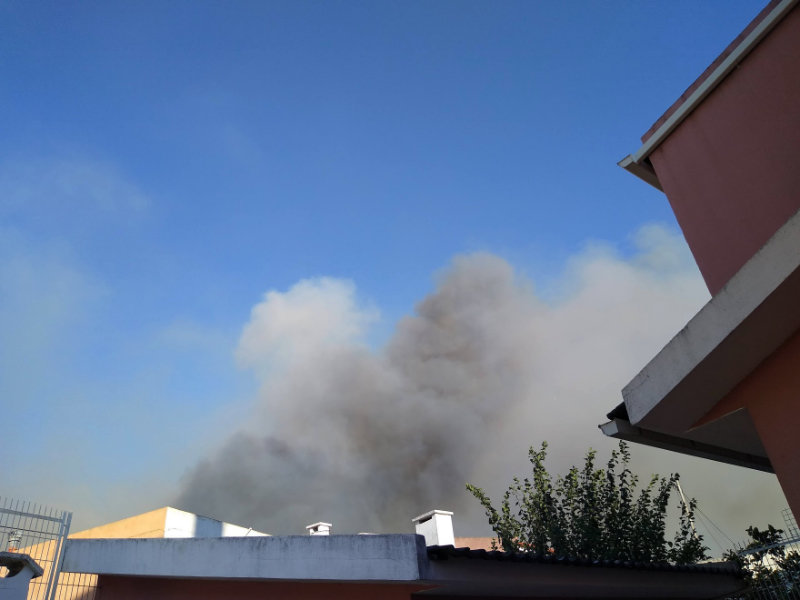
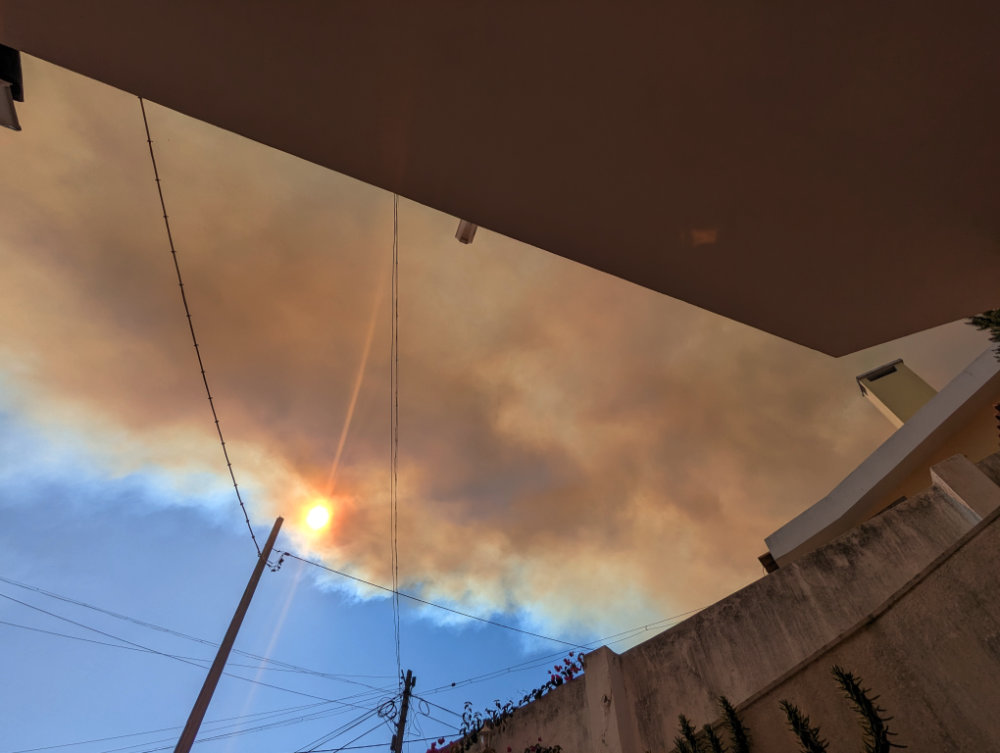
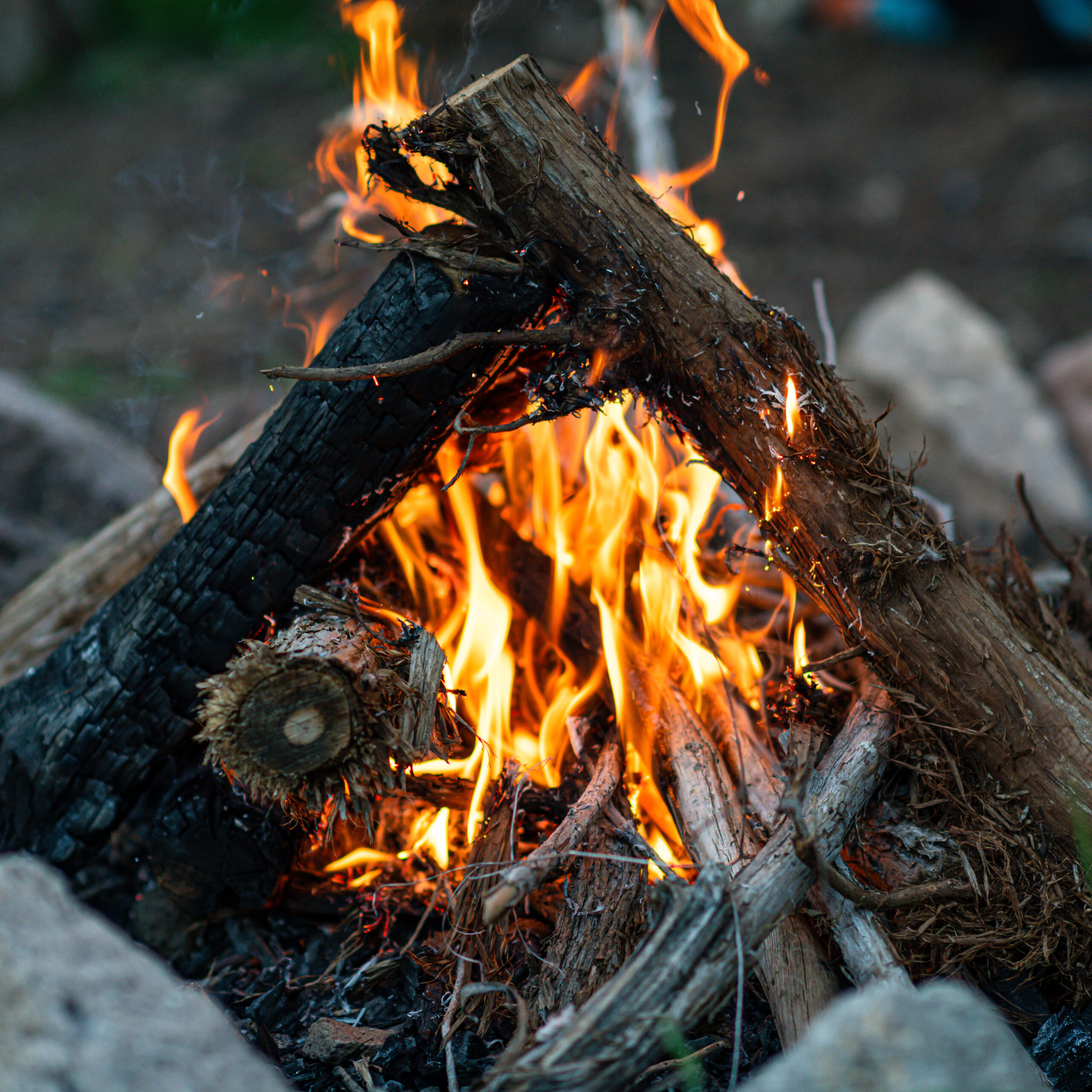
One of the oldest and most effective methods of signaling for help is creating smoke. Smoke is visible from a long distance, and it can travel over large areas.
- Build a large fire: Use dry wood and green leaves or grass to create a fire with thick, dark smoke.
- Signal with smoke: Make a fire in an open area where it can be seen from the air. If you’re near a road or trail, a fire can alert rescuers passing by.
- Safety first: Always make sure your fire is well-contained and keep it under control to avoid wildfires.
2. Using Sound to Attract Attention
If you don’t have the means to create smoke, sound can be just as effective for signaling. Yelling, banging on rocks, or using a whistle can carry a long distance, especially in open or quiet areas.
- Shout at regular intervals: If you’re in a position where people might hear you, shout in short bursts of three. This is a universal distress signal.
- Use a whistle: If you have one, a whistle is much more effective than shouting. It carries farther and can alert rescuers in noisy conditions.
- Bang on rocks or metal: Use a hard object to create noise. The sound will travel and can catch the attention of someone nearby.
3. Visual Signals: Using Mirrors or Bright Colors
In sunny or clear conditions, visual signals are one of the most powerful ways to catch attention. A shiny or reflective object can signal from miles away.
- Signal Mirror: If you have a mirror or any reflective surface, use it to reflect sunlight in the direction of potential rescuers. A quick flash of light can be seen from afar.
- Bright Clothing: Bright colors, especially orange or red, can be highly visible to rescuers, even from a distance. Place bright clothing or gear where it can catch the light or be seen from the air.
- Making Shapes: Create large shapes or letters on the ground with rocks, logs, or any materials available. A large “X” or “HELP” can attract attention from helicopters or planes.
4. Using a Signal Fire for Long-Distance Visibility
A signal fire is a great way to make yourself visible at night or in poor weather conditions. The key to a signal fire is creating a large, steady flame that will stay lit and be visible for miles.
- Choose a safe location: Set up your fire in an open area, far from dry vegetation. A signal fire should be visible but safe to maintain.
- Use green materials: To create thick smoke, use wet wood, green plants, or foliage. This will help your fire emit heavy, visible smoke.
- Stay safe: A signal fire should be monitored closely to ensure it doesn’t spread or cause an uncontrolled wildfire.
5. Emergency Signal Devices
If you have access to emergency signaling devices, they can be invaluable for increasing your visibility and chances of rescue.
- Signal Flares: Flares are bright and highly visible in both day and night, and they’re designed specifically for signaling.
- Emergency Beacon: Devices like a personal locator beacon (PLB) can send out distress signals via satellite, alerting rescue teams to your location.
- Portable Solar Charger: If you have a GPS device or a phone, a portable solar charger can keep your electronics powered and help you navigate or contact emergency services.