




Your Next Move, Planned.
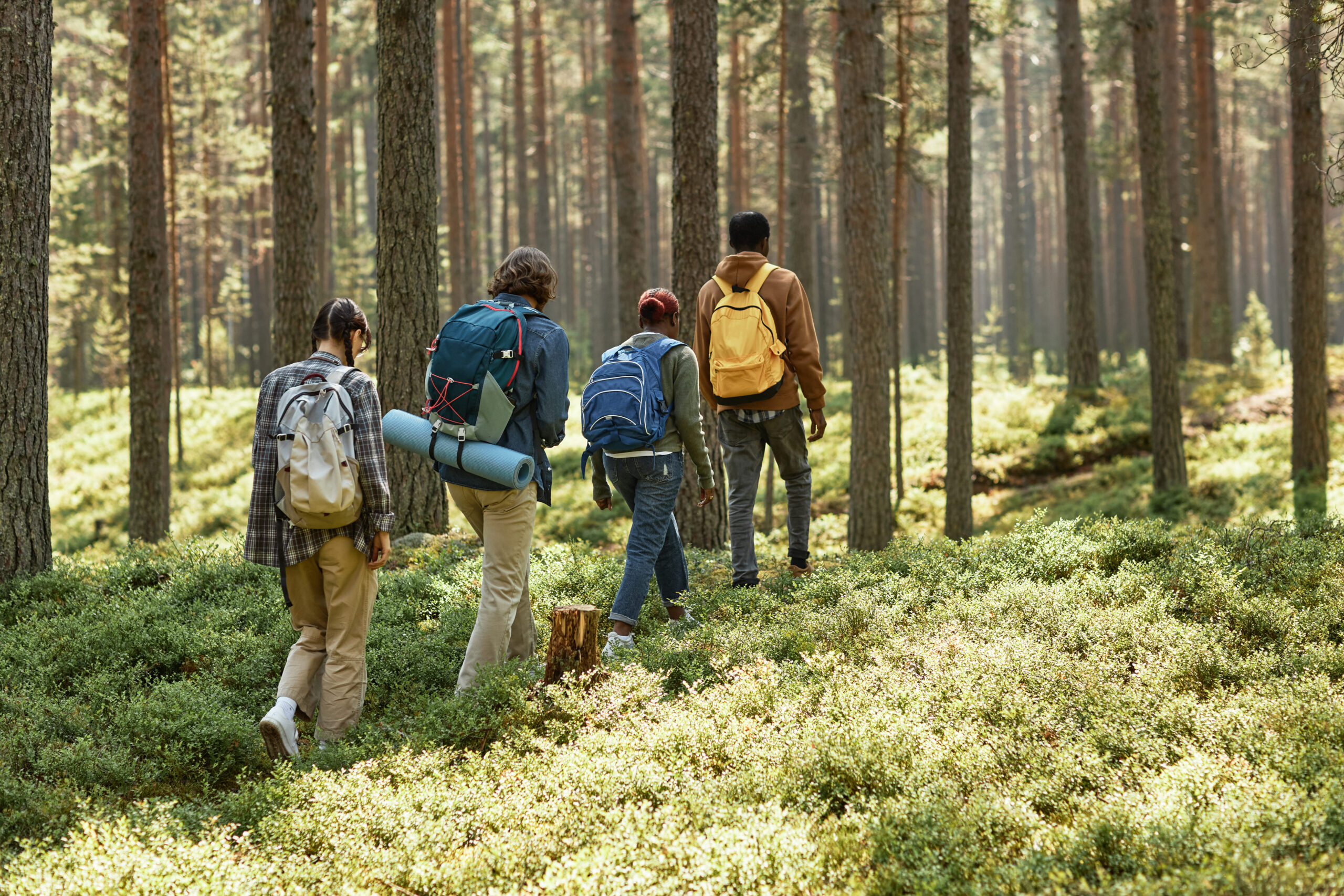

Wilderness Survival: Key Skills
Help Others Prepare
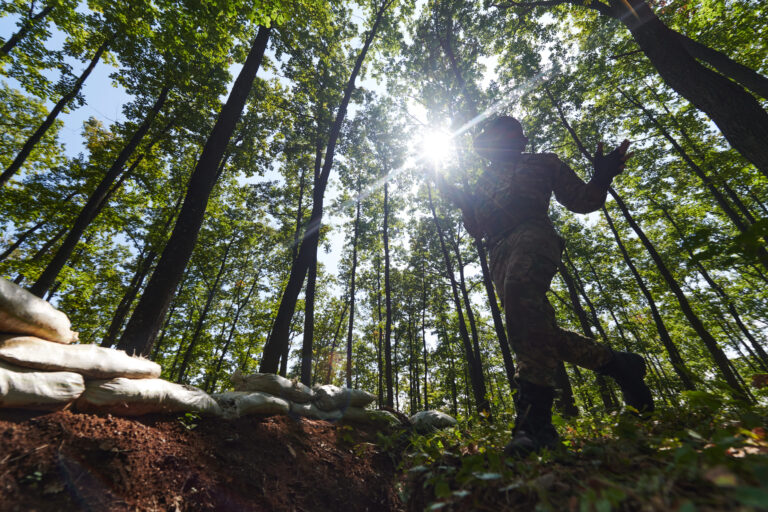
When stranded in the wilderness, survival skills can mean the difference between life and death. This guide covers the essential techniques to help you stay safe, secure, and alive in the wild, including building shelter, finding water, starting fires, and foraging for food. Whether you’re a beginner or an experienced outdoors enthusiast, these skills are crucial in emergency situations.
1. Building a Shelter: Your First Line of Defense
In survival situations, the first thing you need is a shelter to protect yourself from the elements. Whether you find natural shelter or build your own, this is crucial to staying warm and dry.
- Choose a safe spot: Look for flat, dry ground away from flood-prone areas and falling rocks.
- Natural shelters: Caves, overhangs, or dense tree cover can provide excellent shelter.
- Build your own: Use branches, leaves, and any available materials to create a simple lean-to or debris hut for protection.
2. Fire: A Vital Resource for Survival
Fire is essential for warmth, cooking, purifying water, and deterring animals. Here’s how to start a fire even in challenging conditions:
Gathering Firewood
Search for dry wood, preferably from fallen branches that are off the ground. Collect small twigs for kindling, medium branches for sustaining the fire, and larger logs for long-lasting warmth.
Fire-Starting Methods
- Matches: Keep dry and use sparingly to preserve them.
- Firestarter (Ferro Rod): Useful in wet conditions for producing sparks to ignite tinder.
- Bow Drill: A primitive method that uses friction to create fire when no modern tools are available.
3. Finding and Purifying Water
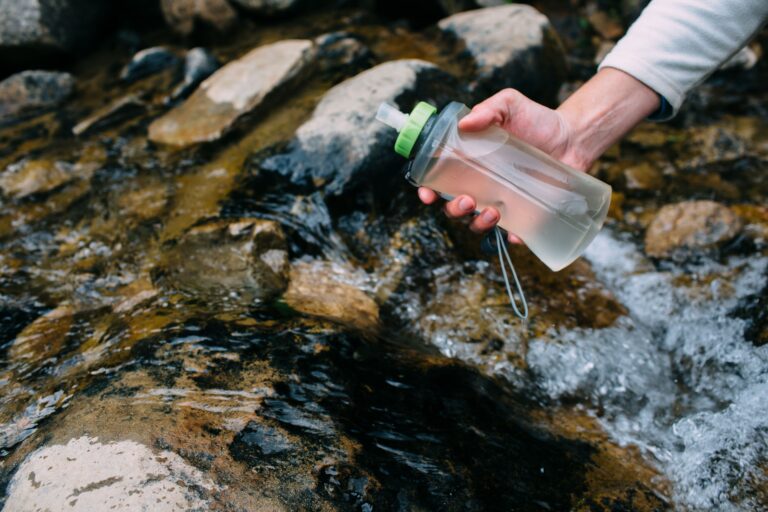
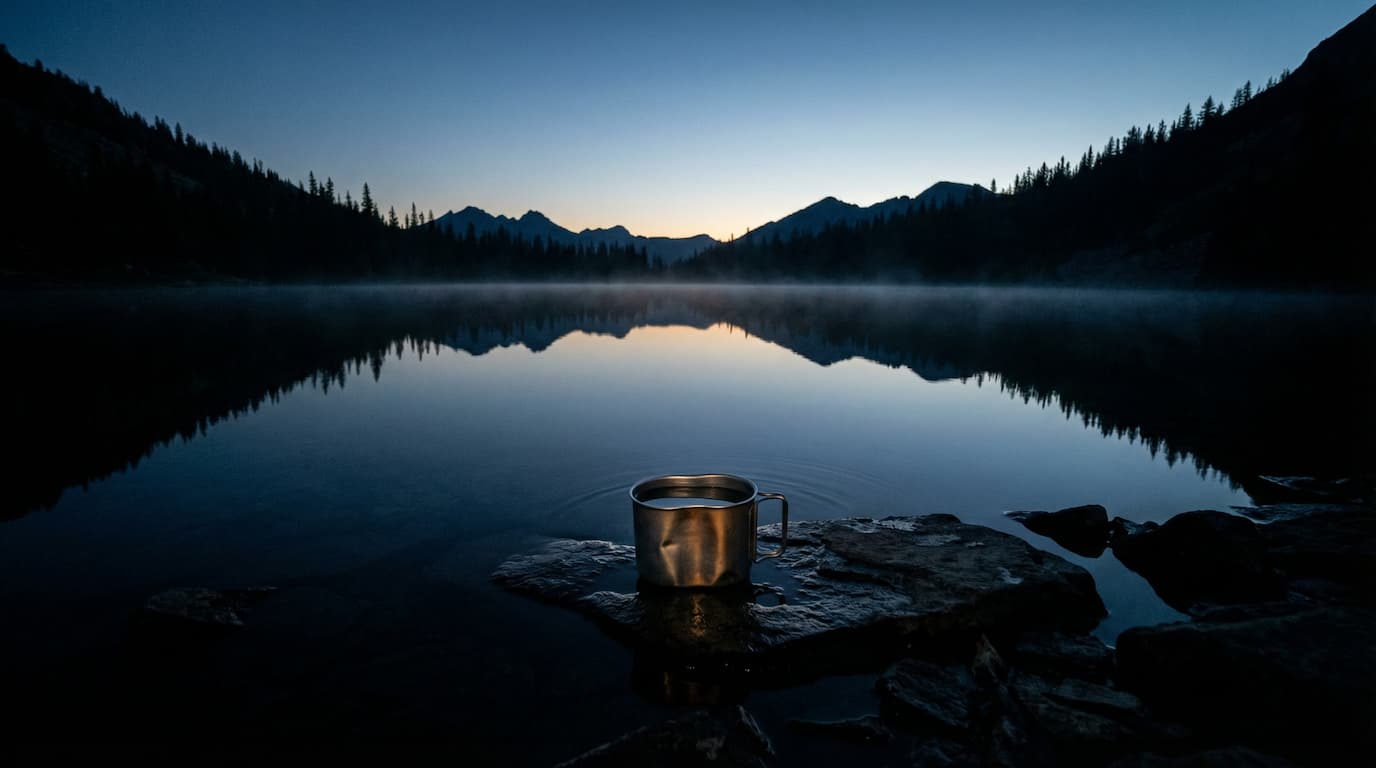
Water is the most critical resource for survival. Here’s how to find and purify water in the wilderness:
Finding Water
- Streams and Rivers: Running water is safer to drink than stagnant water.
- Rainwater: Use containers or large leaves to catch rainwater.
- Plants: Some plants, like cacti, store water, but always research local flora before consuming any plant material.
Purifying Water
- Boiling: Boil water for at least 5 minutes to eliminate harmful pathogens.
- Filtration: Use a water filter or improvise one using natural materials like charcoal and sand.
- Iodine or Chlorine Tablets: A quick and effective method to disinfect water in emergencies.
4. Foraging for Food in the Wilderness
Knowing how to identify edible plants and hunt for food can be a life-saver. Here’s a guide to getting the nutrition you need:
Edible Plants
Many wild plants are edible and provide vital nutrients. Always ensure you know the safe plants in your area and avoid those that are toxic. Common edible plants include:
- Dandelions
- Wild Onions
- Clover
Hunting and Fishing
Hunting small game or fishing can provide essential protein. Simple traps, snares, and fishing gear can be invaluable tools when foraging isn’t enough.
Survival is About Mindset and Skill
Surviving in the wilderness requires more than just tools – it requires the right mindset. Stay calm, be resourceful, and trust your training. Mastering the basics of shelter, fire, water, and food can significantly improve your chances of survival. Remember, practice these skills regularly, and you’ll be ready for anything the wild throws your way.