







Your Next Move, Planned.

Suburban Crime Surge: Securing Your Safe Haven
Help Others Prepare
Once considered bastions of tranquility and security, suburban neighborhoods across America are experiencing a disturbing rise in criminal activities that are eroding the sense of safety residents have long taken for granted. What was previously viewed as a secure retreat from the chaos of urban environments is now facing an influx of threats that demand immediate attention and proactive measures from homeowners and families alike. This shift represents not just isolated incidents but a broader trend where criminal elements are expanding their reach into areas previously thought immune to such dangers.
The Alarming Spread of Urban Crime into Suburban Areas
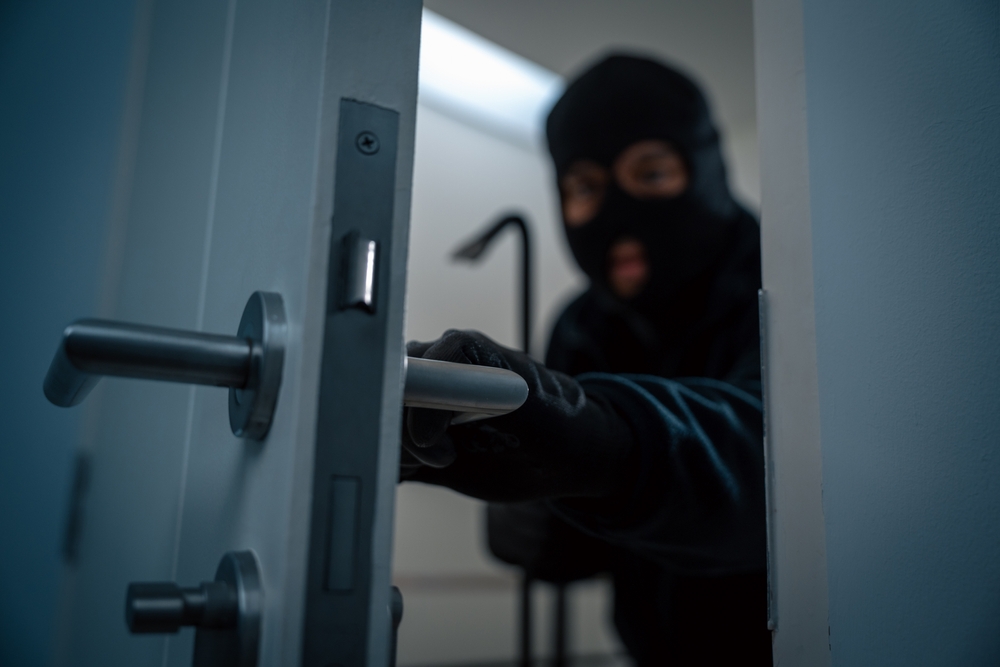
Crime statistics reveal a troubling pattern: offenses that were once confined to city centers are now spilling over into surrounding suburbs with increasing frequency. Reports from various regions indicate sharp upticks in burglaries, car thefts, vandalism, and even more violent confrontations. Law enforcement agencies note that criminals are exploiting the perceived vulnerabilities in suburban layouts, such as longer response times due to spread-out neighborhoods and a general complacency among residents who have not historically needed robust security protocols. This migration of crime is fueled by several factors, including economic pressures pushing offenders outward in search of easier targets, breakdowns in urban policing resources, and opportunistic behaviors during periods of social unrest or economic downturns. Homeowners who once left doors unlocked or windows ajar are now confronting the harsh reality that such practices belong to a bygone era.
The psychological toll cannot be understated. Families who moved to the suburbs specifically to escape urban dangers now find themselves grappling with anxiety, disrupted sleep, and a constant undercurrent of vigilance. Children playing freely in backyards or cul-de-sacs are becoming rare sights as parents impose stricter boundaries out of fear. Community events that fostered neighborly bonds are dwindling as people retreat indoors, fortifying their homes against unknown threats. This erosion of communal trust amplifies the problem, creating isolated islands of fear rather than united fronts against criminality.
Real-Life Examples Highlighting the Growing Threat
Consider the case of a quiet community in the Midwest where a series of home invasions shattered the peace over a single summer. Perpetrators, originating from nearby metropolitan areas, targeted homes based on visible signs of affluence and lax security. Residents recounted harrowing experiences of intruders ransacking their properties while they slept upstairs, escaping with valuables and leaving behind trauma that lingers. Similarly, in Southern states, carjackings have surged in parking lots of suburban shopping centers, with thieves employing brazen tactics during broad daylight. These incidents are not anomalies but part of a nationwide pattern documented in crime reports from the FBI and local police departments.
In one particularly chilling event on the East Coast, a family returning from dinner found their garage breached and personal belongings strewn across the driveway. The culprits had methodically disabled security cameras and entered through unsecured side doors, underscoring how sophisticated some operations have become. West Coast suburbs report spikes in smash-and-grab thefts from vehicles, where opportunistic criminals scan for unlocked cars filled with electronics and cash. These stories serve as stark reminders that no suburb is entirely insulated from the creeping influence of crime, regardless of its reputation or socioeconomic status.
Key Factors Driving the Suburban Crime Wave
Several interconnected elements contribute to this unsettling trend. Economic disparity plays a significant role, as unemployment and inflation drive desperate individuals to seek gains through illegal means closer to their operational bases. The opioid crisis and related substance abuse issues exacerbate the situation, with addicts funding habits through property crimes in accessible suburban zones. Policy changes in urban areas, such as reduced policing budgets or bail reforms, have inadvertently emboldened criminals to venture further afield without fear of swift apprehension.
Technological shifts also factor in. Social media platforms inadvertently aid criminals by showcasing home interiors through real estate listings, vacation posts, or even live streams, providing reconnaissance without physical presence. Delivery services and rideshares have altered neighborhood dynamics, introducing unfamiliar faces and vehicles that blend into the background. Moreover, the rise of organized crime rings specializing in interstate theft operations has professionalized suburban burglaries, making them more efficient and harder to predict.
Assessing Vulnerabilities in Modern Suburban Homes
Typical suburban dwellings present numerous entry points that savvy criminals exploit. Sliding glass doors backing onto yards, often without secondary locks, offer easy access. Ground-floor windows obscured by bushes provide concealment for break-ins. Attached garages serve as gateways if not properly secured, allowing thieves to work undisturbed while loading stolen goods into their vehicles. Smart home devices, while convenient, can be hacked or bypassed by tech-savvy intruders, turning conveniences into liabilities.
Routine behaviors compound these risks. Many residents post about absences on social media, signaling empty homes to followers and strangers alike. Package deliveries left on porches invite porch piracy, a low-risk crime that has exploded in popularity. Poor lighting around perimeters creates shadowy havens for reconnaissance and entry. Even well-maintained lawns can betray occupancy patterns, revealing when homes are vacant based on newspaper piles or overgrown edges.
Immediate Steps to Fortify Your Property
Begin with a thorough security audit. Walk your property at different times of day and night, identifying blind spots, weak locks, and potential climb points. Reinforce doors with deadbolts rated for high security and strike plates anchored deeply into framing. Install shatter-resistant film on windows to deter smash-and-grab attempts. Motion-activated floodlights covering all approaches create deterrence through illumination and unexpected attention.
- Upgrade to solid-core doors resistant to kicking.
- Secure garage doors with internal locking mechanisms.
- Trim landscaping to eliminate hiding spots within 10 feet of entryways.
- Install doorbell cameras with night vision and two-way audio.
Beyond physical barriers, cultivate situational awareness. Teach family members to vary routines, avoiding predictable patterns that criminals can exploit. Enroll in neighborhood watch programs or start one if absent, fostering communication about suspicious activities. Invest in alarm systems monitored professionally, ensuring rapid response capabilities. Dogs, even smaller breeds with loud barks, serve as effective early warning systems and psychological deterrents.
Building Community-Wide Defense Strategies
Individual efforts gain potency through collective action. Organize block meetings to share intelligence on local crime trends and coordinate patrols. Establish group texts for real-time alerts about prowlers or unusual vehicles. Pool resources for shared security enhancements like community gates or roving surveillance. Law enforcement partnerships can provide training on home defense and crime prevention seminars tailored to suburban challenges.
Encourage neighbors to adopt uniform standards: no visible valuables through windows, consistent outdoor lighting, and visible home security signage. Joint purchases of bulk security supplies reduce costs while standardizing protections. Regular drills simulating response to break-ins build muscle memory and confidence, ensuring calm, coordinated reactions under stress.
Personal Defense: Training and Preparedness
Empower yourself with self-defense skills suited to suburban scenarios. Enroll in firearms training if legally feasible, focusing on home defense rather than competition shooting. Non-lethal options like pepper spray, tasers, and reinforced batons offer accessible alternatives. Practice de-escalation techniques to defuse confrontations before they escalate, buying time for escape or intervention.
Develop family emergency plans detailing rally points, communication protocols during outages, and roles for each member. Conduct monthly rehearsals to embed procedures deeply. Stock go-bags with essentials for rapid evacuation if overwhelming threats materialize. Psychological resilience training, such as stress inoculation, prepares minds for high-adrenaline encounters.
Leveraging Technology for Enhanced Security
Modern tools amplify defenses without breaking budgets. Wireless camera networks with cloud storage capture evidence even if disabled onsite. Smart locks allow remote monitoring and access control via apps. Geofencing alerts trigger when you leave home, arming systems automatically. Integration with voice assistants enables quick activation of lights or sirens through simple commands.
- Choose systems with end-to-end encryption to prevent hacking.
- Opt for battery backups ensuring functionality during power failures.
- Review footage weekly to spot patterns or near-misses.
- Share access with trusted neighbors for mutual oversight.
AI-driven analytics distinguish between normal activity and threats, reducing false alarms and focusing attention on genuine risks. Drone surveillance for larger properties provides aerial oversight, spotting perimeter breaches early.
Long-Term Strategies for Sustainable Safety
Sustainability involves ongoing vigilance and adaptation. Stay informed through local crime maps and alerts from apps like Citizen or Nextdoor. Attend city council meetings advocating for increased patrols and community policing initiatives. Support policies enhancing penalties for repeat offenders targeting residential areas. Diversify income streams to weather economic shocks that fuel crime spikes.
Cultivate self-reliance skills: basic first aid, lockpicking for legitimate recovery, and improvised alarms from household items. Garden for food security, reducing dependency on distant supply chains vulnerable to disruption. rainwater collection and solar backups ensure essentials during grid failures accompanying civil unrest.
Navigating Legal Landscapes for Defense
Understand your state’s castle doctrine and stand-your-ground laws governing home defense. Consult attorneys specializing in self-defense to clarify rights and liabilities. Document all security upgrades and incidents meticulously for legal protection. Join organizations advocating Second Amendment rights and legal defense funds providing representation post-incident.
In scenarios where retreat is safest, know escape routes and safe havens like nearby police stations or armed neighbors. Balance assertiveness with prudence to avoid unnecessary escalations.
Psychological Fortitude in Uncertain Times
Maintaining morale amid rising threats requires deliberate mindset cultivation. Practice daily gratitude focusing on controllable aspects of security. Engage in physical fitness enhancing confidence and capability. Foster family bonds through shared preparedness activities turning potential fear into empowerment. Visualization exercises rehearsing successful defenses build subconscious readiness.
Monitor media consumption to avoid sensationalism amplifying unfounded fears while staying factually informed. Connect with prepper communities online and locally exchanging strategies without compromising operational security. Celebrate incremental improvements, reinforcing proactive habits.
Economic Considerations in Security Upgrades
Budget wisely prioritizing high-impact, low-cost measures first: lighting, signage, and awareness training yield outsized returns. DIY reinforcements using hardware store supplies stretch dollars. Seek grants or tax incentives for security installations in high-crime designations. Barter skills within neighborhoods for professional installations.
Insurance discounts for verified systems offset investments, sometimes covering half the costs. Long-term savings from prevented losses far exceed upfront expenditures, framing security as essential insurance against catastrophe.
Anticipating Escalation: Preparing for Worst-Case Scenarios
While hoping for peace, prepare for escalation including mob violence or coordinated attacks during widespread breakdowns. Fortify with sandbags against arson, fire-resistant shutters, and reinforced panic rooms. Stock extended supplies anticipating delayed responses. Network with like-minded families forming mutual aid pacts.
In prolonged unrest, blend deterrence with camouflage: low-profile homes attract less attention than ostentatious fortresses. Mobility plans enable relocation to rural bug-out locations if suburbs become untenable.
Reclaiming Suburban Serenity Through Vigilance
Suburbia need not surrender to encroaching crime. Through layered defenses, community solidarity, and personal preparedness, residents can restore safety and resilience. The key lies in transitioning from passive complacency to active guardianship of homes and loved ones. Each step fortifies not just property but the spirit of self-determination essential for thriving amid uncertainty.
Embrace this transformation viewing it as evolution toward greater independence. The suburbs that adapt will emerge stronger, proving that safety is not inherited but diligently maintained. Commit today to measures ensuring tomorrow’s peace, transforming potential victims into vigilant protectors.