

Your Next Move, Planned.

Shifting from Tactical Prep to Everyday Practicality
Help Others Prepare
In my daily interactions, I frequently encounter individuals who struggle to comprehend why I dedicate so much of my time, financial resources, and effort to continually enhancing my family’s level of preparedness and independence. The most common inquiry I receive is simply, “What drives you to invest in this?” For many years, my responses were detailed lists of logical, technical justifications explaining the rationale behind preparedness. However, I eventually noticed that these explanations rarely resonated with others in the profound way I had anticipated. This observation prompted me to reflect deeply on the fundamental motivations that initially propelled me into this path of readiness-the core “why” behind it all.
Roots of a Preparedness Mindset
My deep-seated enthusiasm for preparedness actually originated long before my own birth, tracing back to the era of World War II through my grandfather’s experiences. Born and raised in Italy, my grandfather was a fiercely passionate and intellectually sharp individual who openly opposed the emergence of Mussolini’s authoritarian fascist government. His bold public stance swiftly positioned him as a prime target for the regime’s repressive forces, leading to dire threats of arrest and execution. To evade capture, he spent extended periods concealed in various locations and moved discreetly between monasteries until he managed to escape to the United States. Upon arriving in America, rather than settling into a quiet, unassuming existence, he made the courageous decision to enlist in the U.S. Army and actively combat for the principles he held dear. This unyielding determination to defend his convictions and his remarkable survival instinct not only preserved his life but also laid the foundation for my entire family lineage. Although my father and his siblings did not grow up embracing a full prepper lifestyle, my grandfather consistently emphasized to them the value of sharp critical thinking, innovative problem-solving approaches that think beyond conventional boundaries, and the unwavering priority of safeguarding one’s family.
My grandfather played a significant role in my upbringing, imparting the identical principles he had passed down to his own children via captivating narratives drawn from his personal history. Complementing this, my father instilled in me the profound significance of diligent hard work and striving to perform every task to the utmost of one’s capabilities. He also introduced me to his profound appreciation for the outdoors, rigorous physical conditioning, nutritious dietary habits, and the rewarding practice of cultivating our own fresh produce, even within the constrained urban environment of New York City. This mutual affinity for untamed natural landscapes opened doors for me to explore and appreciate the majestic wilderness areas scattered across the nation.
A Pivotal Wilderness Ordeal
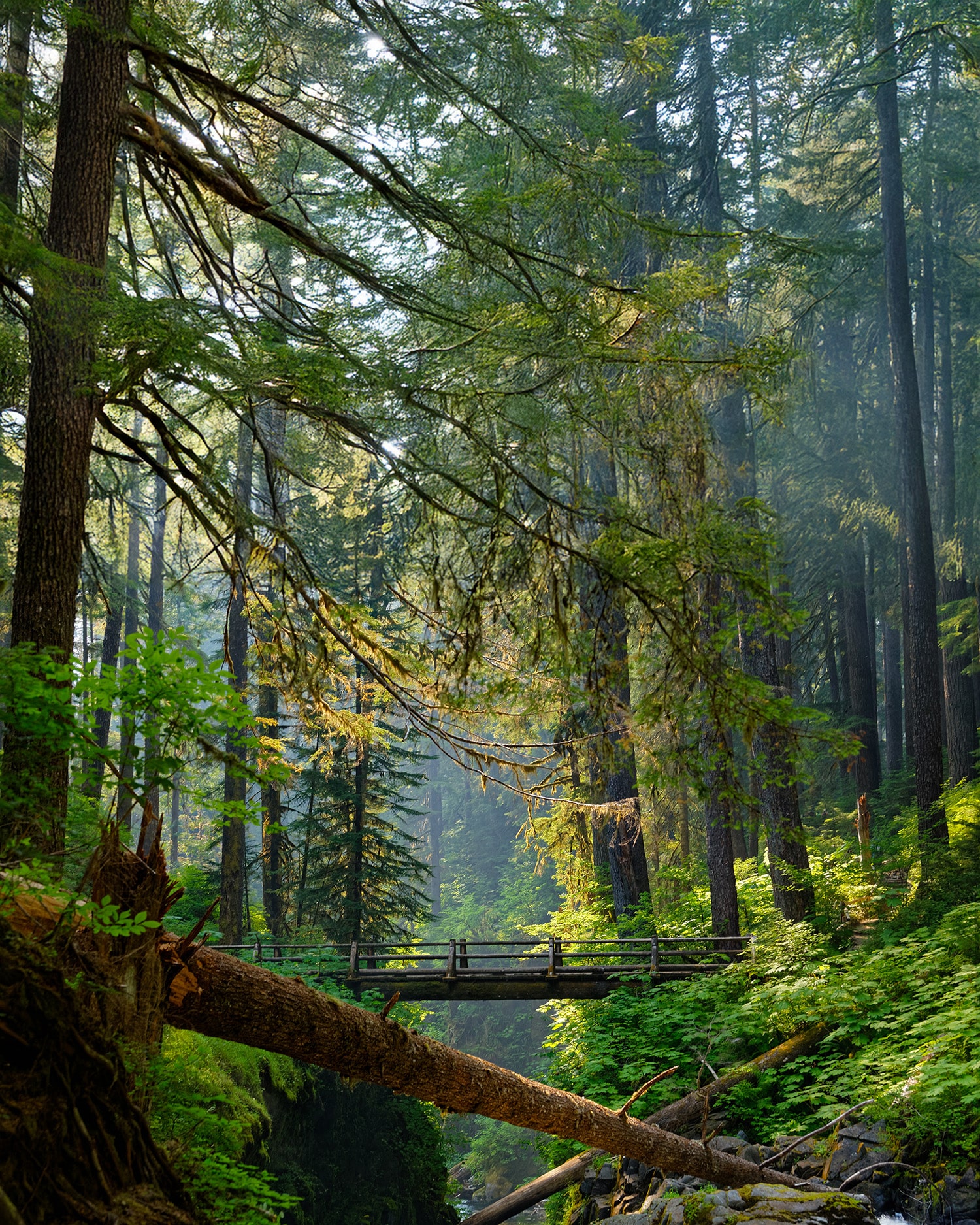
At the age of 12, I set off on what promised to be an exhilarating expedition alongside my uncle and his family to Olympic National Park in the state of Washington. Like many young individuals prone to impulsive moments, I found myself in a disagreement with one of my cousins during a hiking outing, which led me to storm back toward the cabin where we were lodged in order to calm down. After a period of solitude, boredom set in, prompting me to retrace my steps and rejoin the group on the trail. What began as minor navigational missteps quickly escalated into a disorienting odyssey, leaving me utterly lost and wandering solo through the vast, unforgiving wilderness for several grueling hours.
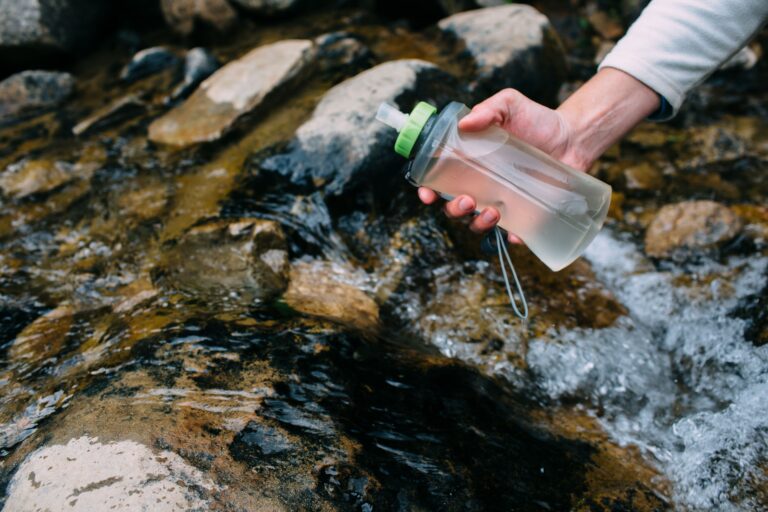
Once my carried supply of water was completely depleted, I was forced to turn to the surrounding natural water sources to maintain hydration and body temperature regulation. Drawing upon the survival techniques I had absorbed from my Boy Scouts training and lessons from my father, I carefully sourced drinkable water from the swiftly flowing rivers in the area. I pressed onward along the established paths, guided by faint sounds until I detected the distant hum of vehicle traffic from a nearby road. Veering off the trail in that direction, I eventually stumbled upon a dirt road. I trailed it for some distance before spotting a park ranger’s vehicle speeding by. Remarkably, just about 100 feet further along, the vehicle came to an abrupt halt, reversed course, and pulled up beside me. The ranger inquired about my name, and upon hearing my response, he exclaimed, “We’ve been searching everywhere for you-hop in!” He transported me safely back to reunite with my relieved family. Unfortunately, the remainder of the trip was marred by illness; despite my efforts to procure safe water, I had inadvertently consumed water contaminated with parasites, resulting in a severe stomach ailment.
This harrowing episode marked a transformative juncture in my life. It brought home the sheer luck of my survival and ignited a fervent commitment to master every aspect of wilderness survival knowledge I could access. As I progressed through my teenage years and into early adulthood, a series of additional real-world encounters further honed my preparedness orientation, mental resilience, and practical skill set. During my adolescent phase, I secured employment with a skilled taxidermist, gaining firsthand insight into how hunting serves as a vital means of securing high-quality protein and harvesting other valuable materials from wildlife. Later, upon becoming engaged to my future wife, her father-a seasoned U.S. Marine veteran and former New York Police Department officer-generously instructed me in essential firearms handling, marksmanship, and defensive strategies tailored to protecting oneself and loved ones.
Trials That Forged Resilience
My path was also punctuated by direct exposure to major adversities, including devastating natural calamities, widespread power grid failures, interruptions in critical supply chains, and the chaos of residing in the New York City vicinity amid the September 11, 2001 terrorist attacks. These cumulative life events, combined with the profound influences of key mentors, crystallized a key insight for me: true preparedness transcends mere acquisition of isolated skills or accumulation of impressive gadgets. Instead, it embodies a comprehensive mindset-one that seamlessly integrates time-honored ancestral survival methods, contemporary practical expertise, specialized tactical proficiencies, and the judicious selection of tools that one is thoroughly trained to deploy effectively.
This holistic approach extends far beyond mere contingency planning for crises; it represents a deliberate embrace of a thoroughly self-reliant way of living, coupled with the cultivation of a supportive community network for mutual instruction and knowledge exchange. As you delve into the contents of this publication, you’ll encounter a diverse array of subjects, spanning from actionable self-sufficiency strategies applicable to routine daily existence all the way to advanced tactical capabilities and gear that prove invaluable during emergencies. Every piece featured here has been thoughtfully curated, inspired by the pivotal lessons etched into my consciousness through decades of personal trials and growth.
I invite you, as you engage with each segment, to pause and introspect on your own life’s journey: What pivotal moments, relationships, or challenges have molded you into the individual with a strong preparedness ethos that you are today? By connecting with your personal “why,” you’ll be far better equipped to articulate your motivations the next time someone poses that inevitable question about your commitment to this lifestyle. This self-reflection not only reinforces your own resolve but also empowers you to inspire others, potentially sparking their interest in building their own resilient futures.
Building a Legacy of Readiness
Reflecting further on my grandfather’s legacy, it’s clear how his experiences during one of history’s darkest periods shaped not just his survival but an enduring family tradition of resilience. His decision to not only escape peril but to then volunteer for frontline service exemplifies a proactive stance against threats-a principle that echoes through generations. In my own family, this manifested in subtle yet powerful ways: from urban gardening in concrete jungles to instilling a love for physical challenges that build both body and mind. These weren’t flashy displays of gear or dramatic survival drills but quiet, consistent practices that embedded self-reliance into our daily rhythm.
The Olympic National Park incident, in particular, stands out as a raw lesson in the fragility of complacency. What could have been a tragic outcome became a catalyst because I had a foundational layer of knowledge to draw upon-simple skills like recognizing safe water flow in rivers or orienting toward civilization sounds. Yet, it also underscored the gaps: my first real encounter with waterborne pathogens taught me the critical need for purification methods beyond visual assessment. This experience propelled years of dedicated study, evolving from basic scouting merit badges to more sophisticated wilderness protocols.
Professional stints like taxidermy added layers of resourcefulness, teaching me to maximize every part of a harvest-skin, bones, sinew-turning potential waste into tools, clothing, or sustenance. Firearms training from my father-in-law bridged the gap between awareness and action, emphasizing not just accuracy but situational judgment: when to engage, when to evade, how to protect without escalating. Living through 9/11 amplified this, as urban density revealed vulnerabilities in infrastructure that no amount of personal gear could fully mitigate without community ties and adaptive thinking.
Ultimately, preparedness emerges as a tapestry woven from these threads: ancestral wisdom for sustainability, modern science for efficiency, tactical precision for defense, and gear as an extension of skilled hands. This issue mirrors that blend, offering you tools-literal and figurative-to weave your own. Whether refining your garden yield, mastering a new firearm drill, or fortifying home defenses, each element invites application beyond hypotheticals into lived reality. Embrace your “why,” and let it guide not just survival, but a thriving, independent life.