Featured Content



Editor's Pick




Enter your email address below and subscribe to our newsletter

Your Next Move, Planned.

Have you ever pondered whether being prepared for potential challenges alters the way you perceive the world around you? This intriguing question lies at the heart of what is known as the Preparedness Paradox. In essence, it explores the idea that individuals who invest time and effort into readying themselves for emergencies might inadvertently experience a shift in their awareness and interpretation of everyday situations. Rather than fostering a sense of calm security, extensive preparation can sometimes heighten sensitivity to risks, making ordinary events seem more threatening than they truly are. This phenomenon raises important considerations for anyone committed to personal readiness, whether for survival scenarios, natural disasters, or urban uncertainties.
To fully grasp this concept, it is essential to delve into the psychological underpinnings that drive such perceptual changes. Preparation often involves studying worst-case scenarios, stocking supplies, and training for high-stress events. While these actions are undeniably valuable, they can train the brain to prioritize potential dangers over benign occurrences. Psychologists refer to this as hypervigilance, a state where the mind is constantly scanning for threats. For the unprepared, life might appear relatively safe and predictable, but for those deeply immersed in preparedness culture, the same environment can feel fraught with hidden perils. This divergence in perception is not merely theoretical; it manifests in real-world behaviors and decision-making processes.
Consider the daily routine of a highly prepared individual. Walking through a crowded street, they might notice subtle cues that others overlook-such as a person lingering too long near an exit or an unattended bag in a public space. These observations stem from trained situational awareness, a skill honed through drills and study. However, this heightened state can lead to unnecessary stress or even paranoia if not balanced properly. The paradox emerges because the very tools and knowledge that empower one for survival can also color one’s view of normalcy, potentially leading to isolation or strained relationships with those who do not share the same level of readiness.
At its core, the Preparedness Paradox is rooted in cognitive biases and evolutionary psychology. Humans are wired for survival, with brains that once helped ancestors detect predators in the wild. In modern times, this instinct can be amplified by deliberate training. Confirmation bias plays a significant role here; prepared individuals seek out and remember information that validates their concerns about risks, while dismissing evidence of safety. Over time, this selective attention reshapes reality, making dangers seem more prevalent than statistical data might suggest.
Research in cognitive science supports this observation. Studies on first responders and military personnel, who undergo rigorous preparation, often reveal elevated levels of anxiety and altered risk assessment. For instance, a firefighter trained to anticipate structure collapses might perceive structural weaknesses in everyday buildings that others ignore. Similarly, in the civilian preparedness community, enthusiasts who simulate disaster scenarios may develop a worldview where societal collapse feels imminent. This is not to discredit preparation but to highlight how it influences mental filters through which we experience life.
Neuroplasticity further explains this effect. The brain adapts to repeated focus on threats by strengthening neural pathways associated with vigilance. Regular practice of emergency procedures reinforces these pathways, making threat detection automatic. While beneficial in crises, it can create a baseline of tension during peacetime. Balancing this requires conscious efforts to recalibrate perception, such as mindfulness practices or exposure to low-threat environments to remind oneself of relative safety.
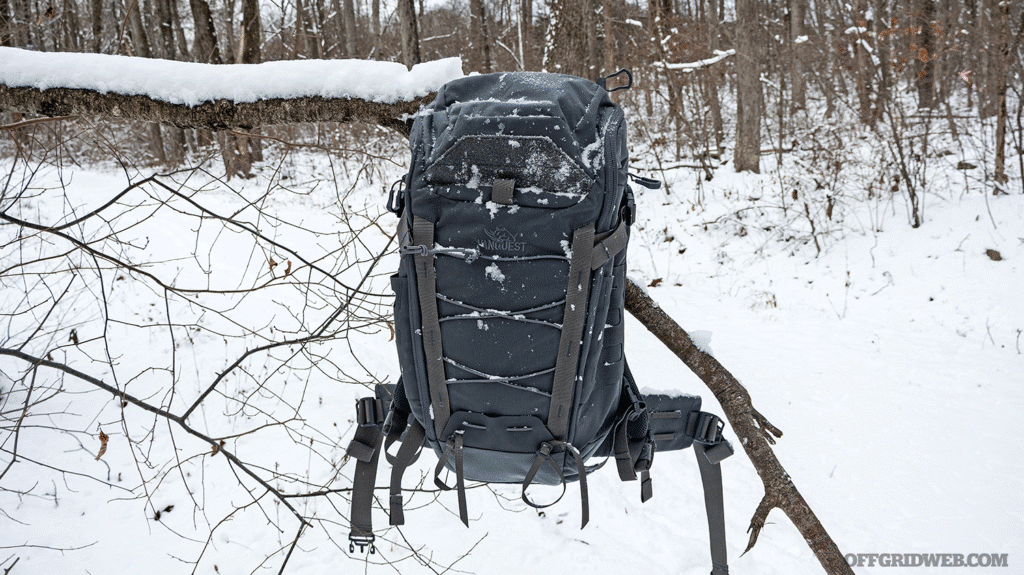
To illustrate the Preparedness Paradox in action, let’s examine practical examples from various domains. Take the prepper who maintains a comprehensive bug-out bag, complete with food rations, water purification tools, and self-defense items. During a minor power outage, while others might relax with candles and board games, this individual activates full emergency protocols, interpreting flickering lights as the onset of a larger grid failure. Their readiness ensures capability, but the perceptual shift turns a brief inconvenience into a potential catastrophe.
Another case involves urban dwellers trained in tactical awareness. They might view a group of teenagers laughing loudly as a possible threat cluster, prompting evasive maneuvers, whereas an unprepared passerby sees only youthful exuberance. Historical events like Hurricane Katrina or the 2008 financial crisis provide broader context; those prepared navigated chaos more effectively, yet many reported heightened distrust of institutions long after the events passed, a lingering effect of their vigilant mindset.
Interviews with preparedness experts reveal similar patterns. One survival instructor shared how constant scenario planning made routine travel anxiety-inducing, as he mentally mapped escape routes in every airport. While this mindset saved lives in training simulations, it eroded his enjoyment of vacations. These anecdotes underscore that preparation, while empowering, demands strategies to mitigate perceptual distortions.
Despite the potential downsides, the advantages of being prepared cannot be overstated. Foremost is the enhanced capability to respond effectively during actual emergencies. Statistics from disaster response agencies show that individuals with supplies and skills suffer less and recover faster. Moreover, preparation builds resilience, confidence, and problem-solving abilities that extend beyond crises into daily life.
The drawbacks, primarily perceptual shifts, can be managed. Overpreparation might lead to resource hoarding or social withdrawal, but moderation addresses this. Experts recommend periodic ‘reset’ periods where one engages in activities devoid of survival themes, like leisurely hikes without gear checklists, to restore balanced perception.
Balancing these elements involves assessing personal risk tolerance. For some, minimal preparation suffices; for others, deep investment is essential given lifestyle or location. The key lies in self-awareness-recognizing when readiness enhances life versus when it distorts it.
Addressing the Preparedness Paradox requires deliberate strategies to harmonize vigilance with normalcy. First, incorporate reality checks by reviewing statistical probabilities of various threats. For example, crime rates or disaster frequencies provide grounding data to temper worst-case assumptions. Regularly consulting reliable sources prevents echo chambers within preparedness communities that amplify fears.
Mindfulness and meditation techniques prove invaluable. These practices train the mind to observe thoughts without overreacting, allowing prepared individuals to notice threats without escalating emotionally. Journaling daily observations-cataloging both safe and risky events-helps recalibrate perception over time, demonstrating that safety predominates.
Community engagement offers another avenue. Sharing experiences with a mix of prepared and unprepared peers fosters perspective. Participating in non-preparedness hobbies, such as art classes or team sports, rebuilds appreciation for low-stakes enjoyment. Finally, phased training schedules prevent constant immersion; alternate intense drills with rest periods to avoid burnout.
Professional guidance from psychologists specializing in high-stress professions can tailor these approaches. Cognitive Behavioral Therapy (CBT) effectively rewires hypervigilant patterns, enabling sustained readiness without perceptual overload.
On a societal level, the Preparedness Paradox influences how communities form and evolve. Online forums and local groups often reinforce vigilant narratives, creating subcultures where normalcy is suspect. While these networks provide support, they risk insularity. Broader integration-educating the public on basic readiness without alarmism-could normalize preparation, reducing perceptual extremes.
Future research might quantify this paradox through longitudinal studies tracking prepared versus unprepared groups’ stress levels and life satisfaction. Neuroimaging could reveal brain changes, informing training protocols that minimize distortions. Ultimately, acknowledging the paradox empowers individuals to pursue readiness holistically, enhancing both survival odds and quality of life.
In conclusion, the Preparedness Paradox illuminates a nuanced truth: readiness is a double-edged sword, sharpening perception for threats while potentially dulling appreciation for safety. By understanding and managing this dynamic, one can harness preparation’s benefits without succumbing to its perceptual pitfalls. Whether novice or veteran, reflecting on how readiness shapes your worldview is a vital step toward balanced, effective preparedness.