







Your Next Move, Planned.

Powdered Eggs Shelf Life: 2026 Storage Guide
Help Others Prepare
Powdered eggs represent a vital resource in emergency situations, offering simplicity in preparation and robust nutritional value, which positions them as a top choice for long-term food storage. Beyond their convenience, these products boast an impressively extended duration of usability. A common question among those preparing for uncertainties is precisely how long powdered eggs remain viable for consumption.
Much like other forms of preserved foodstuffs, the longevity of powdered eggs hinges on various key elements. Appropriate management and storage conditions play a crucial role in maximizing their usability period. In the following sections, we delve into the specifics of their shelf life and provide practical advice for maintaining their quality over extended periods.
Typically, powdered eggs maintain their quality for a range spanning five to ten years. Certain sources suggest they can endure beyond 15 years when kept under optimal circumstances. Placement in a cool, dark environment significantly prolongs this timeframe. Refrigeration proves unnecessary prior to opening the package.
Comparable to other forms of dehydrated dairy items, powdered eggs remain susceptible to degradation without meticulous care. Detailed storage recommendations will be covered in depth shortly.
How Powdered Eggs Compare to Other Egg Varieties
Among the diverse array of egg products available, powdered eggs stand out for possessing the most extended shelf life. Fresh whole eggs, when refrigerated, typically remain usable for no more than three weeks. Hard-boiled eggs fare slightly better in the fridge, lasting up to one week. Separated raw egg whites and yolks also hold for about three weeks under refrigeration.
When transporting eggs for outdoor activities like camping, their viability drops sharply without cooling facilities, often limited to less than a week. To mitigate risks such as shell breakage during transit and to enhance longevity, it is advisable to prepare them by cooking prior to departure.
Understanding Powdered Eggs
Powdered eggs consist of eggs that have undergone complete dehydration. The predominant production method involves spray drying, a process akin to that used for powdered milk production. Historical records indicate their presence in literature as far back as 1912, with initial widespread use in camp cooking scenarios. During World War II, they served as essential rations in the United Kingdom.
These versatile items have gained favor among survival enthusiasts, hikers, emergency preparers, and campers due to their multifaceted applications. They serve effectively as a direct replacement for fresh eggs in daily culinary endeavors, from fluffy scrambled eggs to elaborate omelets, allowing for creative experimentation in recipes.
Prospective buyers should note that powdered eggs come in three primary varieties: whole egg powder, egg yolk powder, and egg white powder. Frequently, these are blended with supplementary ingredients such as sugar, flour, or salt to enhance flavor profiles upon reconstitution and cooking.
Key Advantages of Powdered Eggs
Still hesitant about incorporating powdered eggs into your backpacking or camping supplies? Consider the following compelling advantages that may shift your perspective.
Exceptional Longevity
The most significant advantage of powdered eggs lies in their superior shelf life, particularly when juxtaposed against fresh eggs. No refrigeration is required to achieve this prolonged usability, rendering them perfect for off-grid adventures. As previously noted, under ideal storage conditions, they can remain viable for five to ten years. Maintaining them in a cool, dark location ensures they endure through years of storage.
Rich Nutritional Profile
Despite their dehydrated form, powdered eggs deliver essential nutrition comparable to fresh eggs. A standard serving can supply up to 13% of the daily recommended calcium intake. Furthermore, each portion offers around 21.07 grams of protein, approximating half of the typical daily requirement of 50 to 65 grams.
They also serve as a valuable source of vital minerals integral to a balanced diet, including 481 milligrams of sodium and 286 milligrams of potassium. Powdered eggs allow indulgence without caloric guilt, as a single serving contains only 357 calories, roughly equivalent to one fresh egg. It is worth noting, however, that they lack added vitamins.
Superior Portability
Embarking on hikes, camping trips, or road travels often makes transporting fresh eggs challenging due to their delicate shells, necessitating cautious handling to avoid breakage and waste.
Powdered eggs excel in portability. Their lightweight, powdery consistency eliminates breakage concerns, ensuring they remain intact even during rigorous movement, securely contained within suitable packaging.
Reduced Contamination Hazards
Powdered eggs further minimize the risk of bacterial contamination compared to their raw counterparts, as long as they are stored and handled diligently.
Effortless Preparation
Even for novice cooks, preparing powdered eggs is straightforward and rapid. Their versatility supports a wide range of recipes, and the process remains clean, avoiding the sticky messes associated with cracking fresh eggs.
Indicators of Spoilage in Powdered Eggs
Avoid uncertainty regarding the safety of your powdered eggs by recognizing these telltale signs of deterioration.
- Observe any discoloration; spoiled powdered eggs darken, often adopting a yellowish or brownish hue beyond their prime.
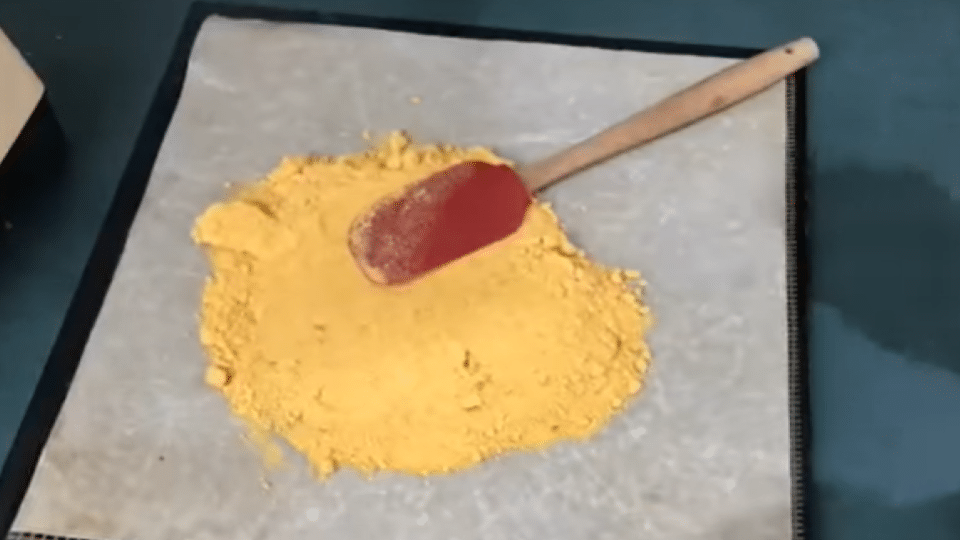
- Texture alterations are evident; fresh powder resembles soft flour, while spoiled batches develop clumps, becoming sticky and uneven.
- An off-putting odor signals poor condition; sour or unusual smells warrant immediate disposal.
- Perform a simple water test for freshness: sinking powder indicates usability, whereas floating suggests spoilage.
Strategies to Maximize Powdered Egg Shelf Life
Effective storage and careful handling are paramount to preserving the freshness and quality of powdered eggs over long durations. Implement these proven practices for optimal results.
- Divide powdered eggs into smaller portions for daily use, minimizing contact and reducing cross-contamination risks.
- Utilize airtight or vacuum-sealed containers to block oxygen ingress, which can degrade quality progressively.
- Opt for rigid containers when feasible; soft plastic bags risk punctures that lead to spills and contamination.
- Maintain storage in environments that are cool and devoid of moisture, as heat and humidity accelerate spoilage.
- Incorporate oxygen absorbers into storage containers; these packets, containing iron powder, inhibit oxidation and control moisture levels effectively.
Final Thoughts
In summary, powdered eggs offer a reliable shelf life of five to ten years, functioning admirably as an egg alternative without needing refrigeration. To ensure peak condition, prioritize meticulous storage techniques, including airtight containment and placement in cool, dry areas. This approach guarantees their readiness for any scenario requiring dependable, nutritious food sources.