







Your Next Move, Planned.

Off-Grid Escapes: Montana Wilderness to California Pinnacles
Help Others Prepare
In this installment of off-grid explorations, we turn our attention to two strikingly diverse natural environments that showcase the untamed beauty of the American West. Our journey begins at Jack Creek Preserve, a vast expanse of pristine Montana backcountry situated between the vibrant towns of Ennis and Big Sky, where winding mountain paths delve into landscapes still profoundly influenced by the indigenous peoples who first cared for this land. From there, we journey westward to California’s Pinnacles National Park, a dramatic realm forged by volcanic forces and tectonic shifts, featuring towering rock formations that rise dramatically over intricate cave systems and rugged canyons. These two remarkable locations provide a compelling juxtaposition: one immersed in lush alpine woodlands and dedicated conservation practices, the other defined by dynamic geological processes and the raw endurance of the terrain itself.
Jack Creek Preserve, Montana
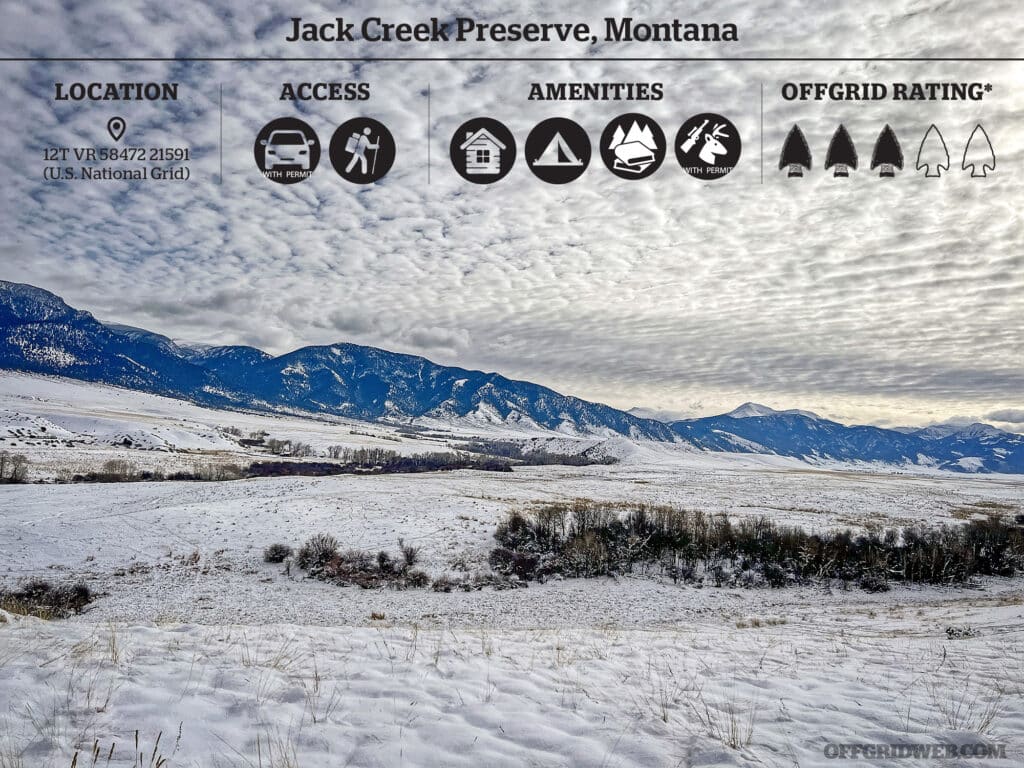
Adventure Appeal: Nestled within Montana’s majestic Madison Mountains, Jack Creek Preserve spans an impressive 4,500 acres of safeguarded terrain, delivering an exceptional off-grid wilderness adventure while functioning as a crucial corridor for local wildlife. Positioned strategically between Ennis and Big Sky, this protected area links two distinct segments of the Lee Metcalf Wilderness, fostering a thriving ecosystem for species such as elk, grizzly bears, and more. Outdoor enthusiasts can embark on the renowned Jack Creek Trail, which grants continuous access to U.S. Forest Service lands and plunges into even more remote wilderness areas throughout the seasons. For adventurers craving deeper engagement, the preserve hosts programs teaching time-honored skills like bowhunting and wildlife tracking. With its challenging topography, crystal-clear alpine lakes, and breathtaking panoramic vistas of snow-capped peaks, Jack Creek transforms into far more than a picturesque backdrop- it becomes an interactive hub for understanding conservation principles and ecological dynamics in a hands-on manner.
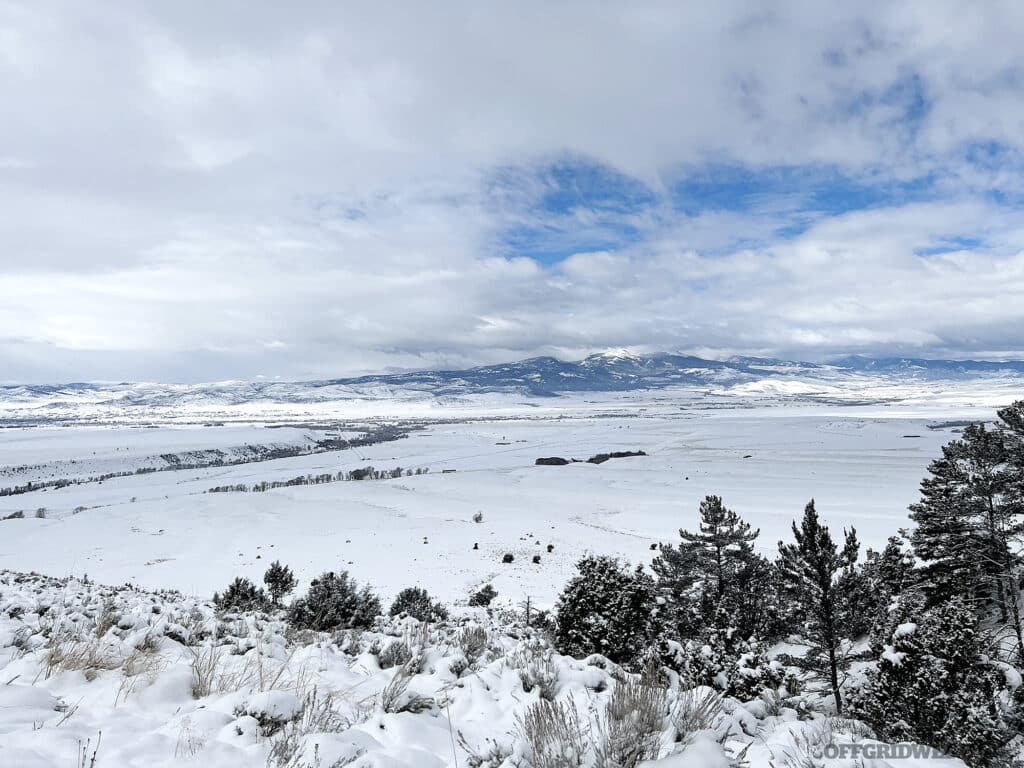
Few locations in the American West provide such an extraordinary wealth of sweeping, unobstructed vistas that stretch across endless horizons.
Survival Readiness: Those venturing into Jack Creek Preserve must gear up for a truly semi-remote outing, where the allure of untouched nature is accompanied by unavoidable environmental rigors. The climate in the Madison Mountains is notoriously unpredictable, capable of shifting from balmy sunshine to fierce snow squalls or thunderstorms within hours, even during the warmer summer period- thus, layering clothing appropriately and packing reliable navigation equipment is non-negotiable. Encounters with wildlife are commonplace here, given the presence of grizzly bears, moose, mountain lions, and other formidable creatures, underscoring the necessity of carrying bear spray at all times and maintaining heightened situational awareness. Entry to the preserve is regulated via a private, gated road that demands a special permit, so meticulous pre-trip planning is vital to prevent access denial. Hikers should anticipate demanding trail conditions paired with minimal cellular reception, necessitating that they pack ample provisions including food, water purification tools, and a comprehensive first-aid kit. While structured programs for hunters and campers supply organized support, solo visitors must treat the area as a genuine off-grid challenge, where personal self-sufficiency, honed outdoor expertise, and preparedness form the cornerstone of safe, rewarding experiences.
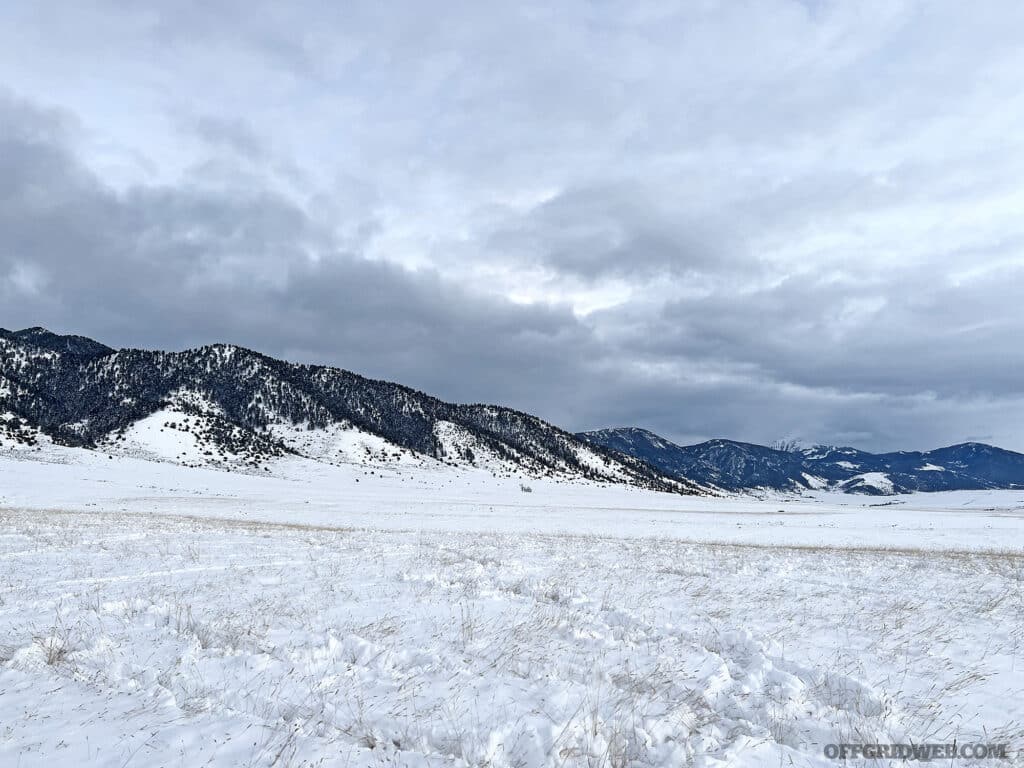
Montana earns its reputation for world-class hunting prospects, yet it equally captivates devotees of winter pursuits like skiing and snowshoeing, turning the region into a year-round paradise for thrill-seekers.
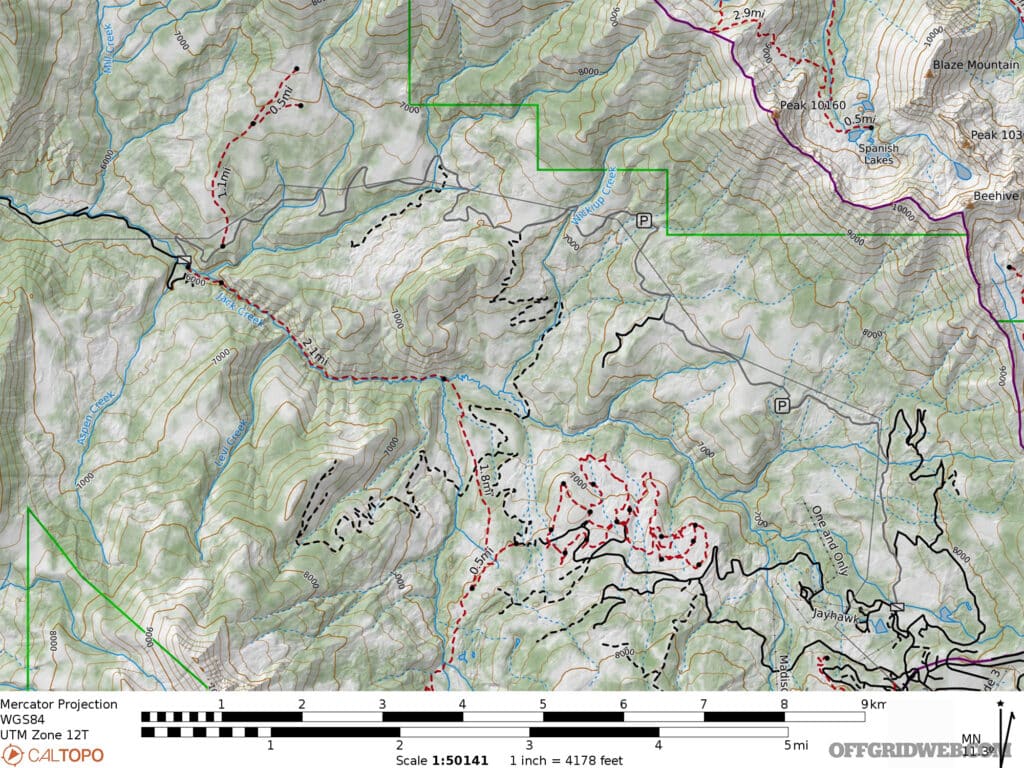
Getting There: Reaching Jack Creek Preserve involves a distinctive approach, primarily through the securely gated Jack Creek Road, which is privately owned and operated by Moonlight Basin. Prospective visitors are required to secure a dedicated road pass for this access route, making advance coordination with the preserve management or partnering entities indispensable. Individuals lacking such permits can still access the heart of the area via the public Jack Creek Trail (designated as Trail 6317), bolstered by a U.S. Forest Service easement that guarantees year-round entry for all. Geographically, the preserve occupies a prime spot bridging Ennis and Big Sky, with Bozeman Yellowstone International Airport serving as the optimal aerial entry point, followed by a picturesque drive winding through the scenic Madison Valley. Be ready for sparse road signage and the demands of mountain driving, which intensify during winter months with potential ice and snow. Participants in educational workshops or camps often benefit from pre-arranged transport logistics, whereas independent adventurers should equip themselves with sturdy, high-clearance vehicles, detailed topographic maps, and offline GPS capabilities to navigate confidently.
Local Perks: Jack Creek Preserve extends beyond its raw wilderness magnetism to weave in profound cultural ties and community engagements that elevate every visit. This land resides within the traditional territories of several Native American nations, including the Salish, Shoshone-Bannock, Apsáalooke, Tséstho’e, Niitsitapi, Cayuse, Umatilla, and Walla Walla peoples, whose historical guardianship is actively celebrated through contemporary conservation initiatives. Today’s explorers have the chance to immerse themselves in specialized camps, interactive workshops, and immersive field schools aimed at building essential outdoor proficiencies and deepening environmental stewardship knowledge. Collaborative hunting programs, frequently aligned with groups like the Rocky Mountain Elk Foundation, highlight the vital contributions of ethical hunters to wildlife preservation efforts. Overnight stays in authentic log cabins or organized camps strike a perfect harmony between modern comforts and genuine rustic living. Complementing these offerings, the adjacent communities of Ennis and Big Sky infuse the adventure with authentic small-town warmth, rich western heritage, and delectable regional fare- from hearty ranch-style meals to fresh local brews- transforming a simple wilderness trek into a multifaceted cultural odyssey.
Pinnacles National Park, California
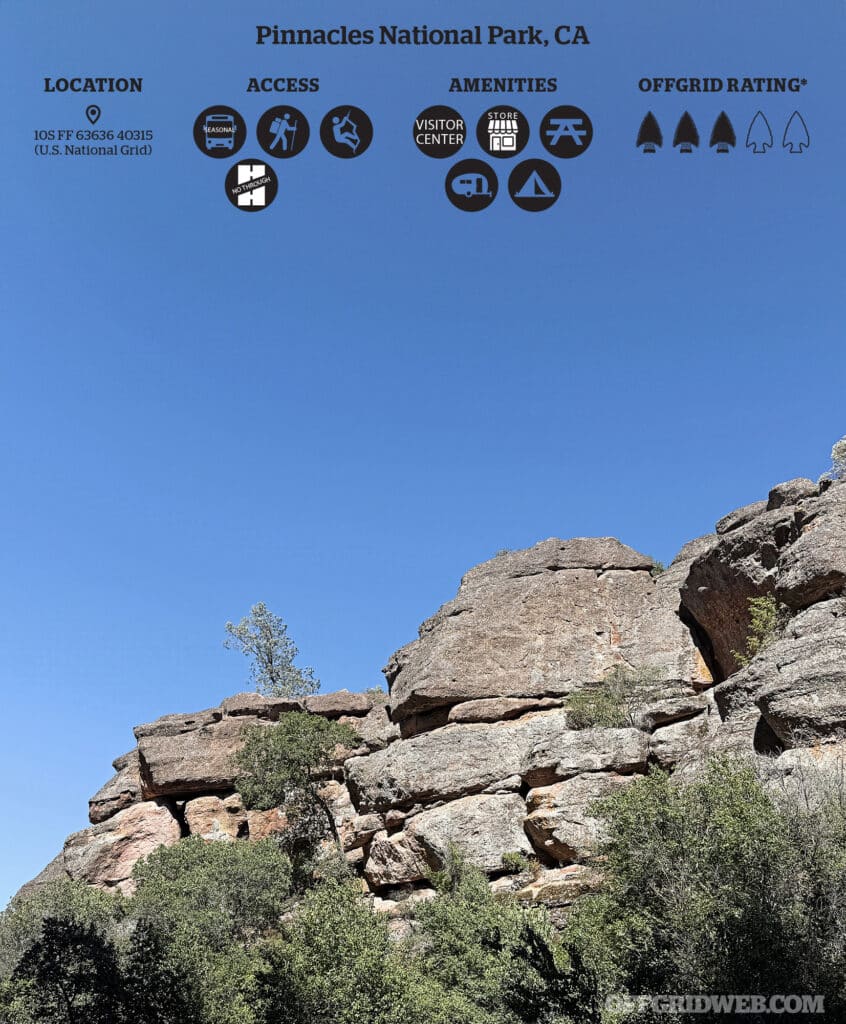
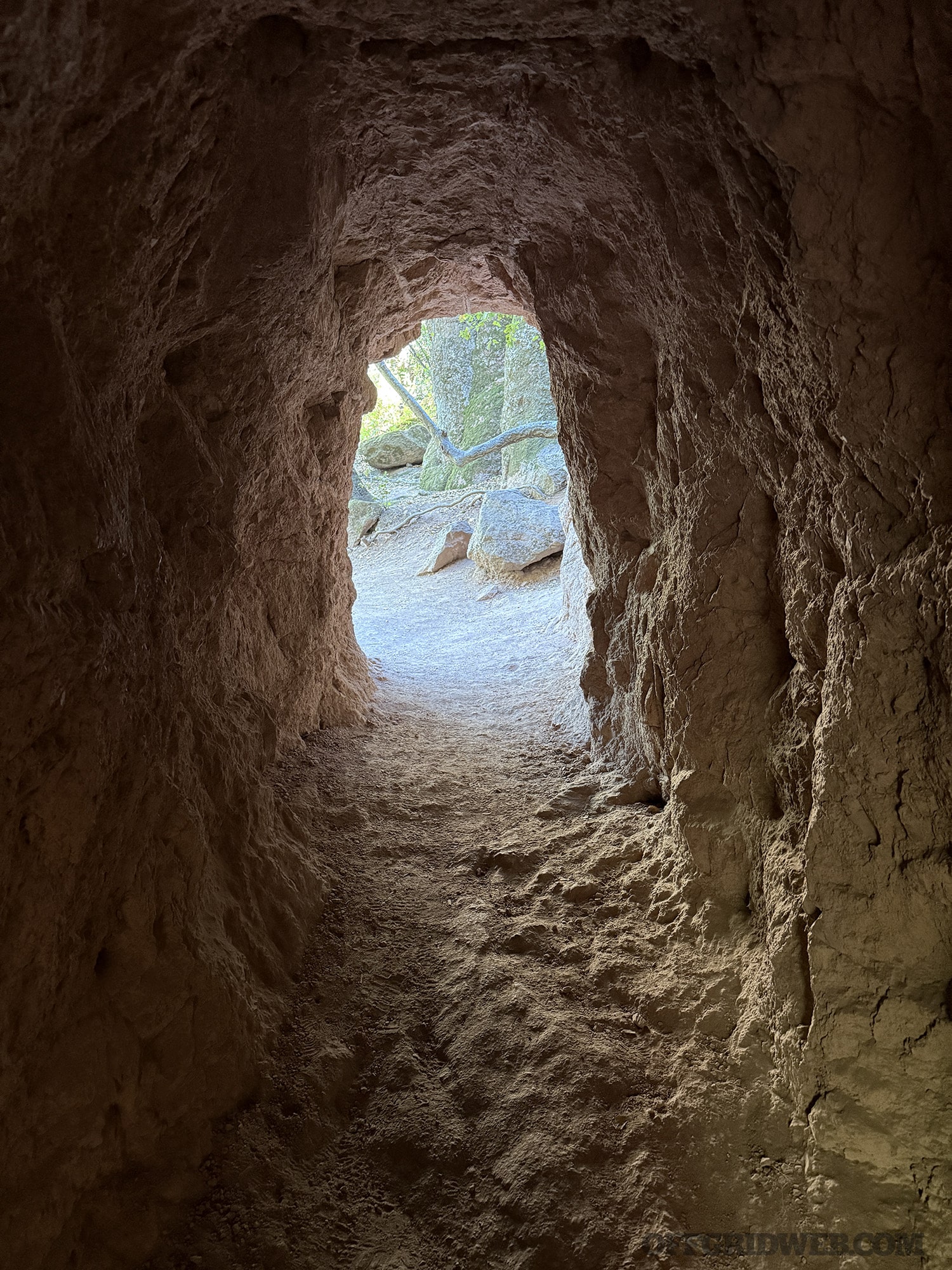
Sheltered under monumental ancient rock structures, an intricate web of caves delivers refreshing shade and respite from the intense daytime heat.
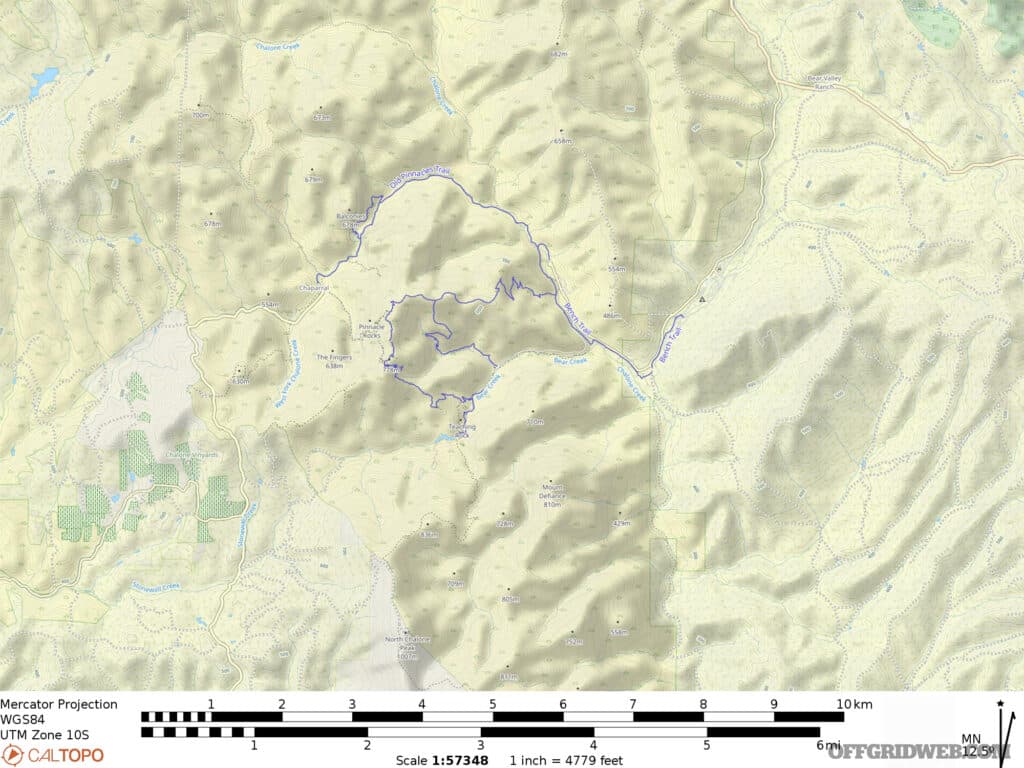
Adventure Appeal: Pinnacles National Park stands out with its unparalleled fusion of jagged rock spires, prime California condor habitat, and thrilling spelunking adventures requiring a trusty headlamp. Strap on your boots for the exhilarating High Peaks trail, where steep staircases and secure handrails guide you along razor-thin ridgelines, rewarding you with vertigo-inducing vistas spanning thousands of feet over rolling oak savannas and dense chaparral shrublands. Venture into the talus caves of Bear Gulch or Balconies, where massive house-sized boulders form natural ceilings over chilled subterranean passages, their walls resonating with the distant trickle of stormwater echoes. Experienced rock climbers revel in the grippy volcanic breccia, dotted with natural holds and features ideal for bouldering or multi-pitch ascents, while birding aficionados vigilantly scan rising thermals for the iconic, massive silhouettes of reintroduced California condors, a success story shared with adjacent conservation partners. The vibrant spring season blankets the hillsides in a kaleidoscope of wildflowers alongside spectacular raptor aerial ballets; crisp winter days unveil pristine trails under clear skies; and extended golden-hour sunsets cast ethereal glows upon the towering pinnacles, enhancing their otherworldly allure.
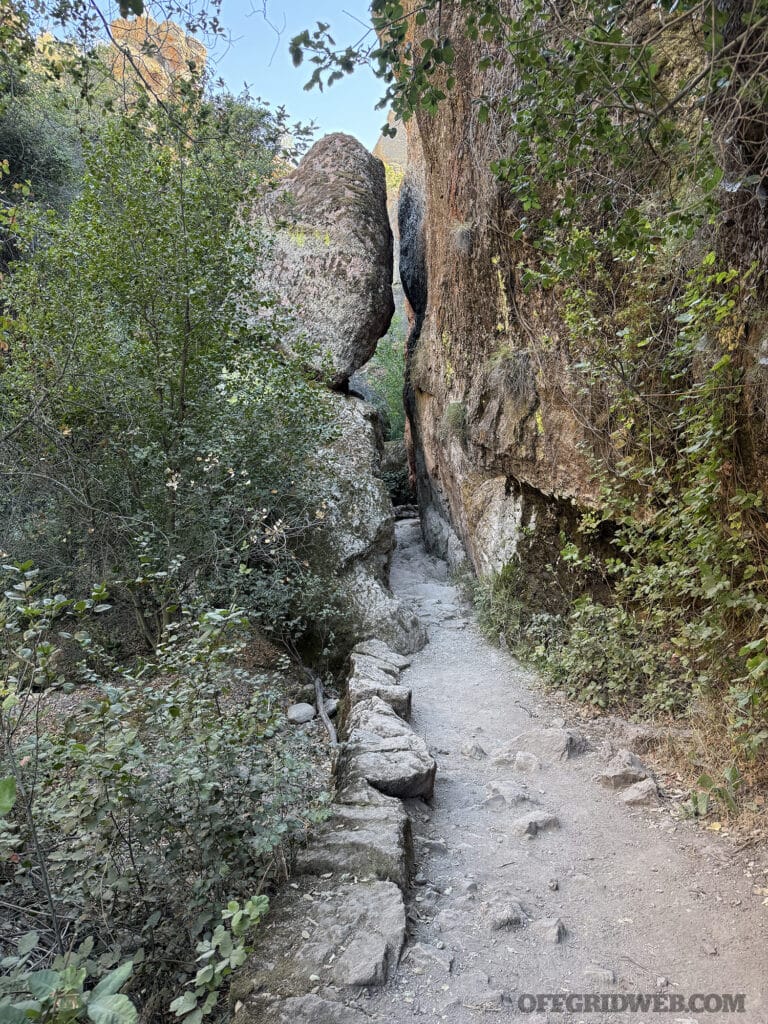
Well-maintained paths snake through tight rock clefts, periodically unveiling jaw-dropping panoramas of the surrounding rugged terrain.
Survival Readiness: Extreme heat poses the primary threat in Pinnacles. Temperatures in summer and early autumn frequently soar beyond 100 degrees Fahrenheit, with trails bereft of natural water sources, so meticulous hydration planning is crucial- allocate at least one liter of water per person for every hour of exertion and prioritize pre-dawn or early morning hikes to evade peak scorch. Footwear boasting aggressive, durable treads is imperative, as loose volcanic scree shifts treacherously underfoot and cave floors grow perilously slippery from moisture. Always pack a reliable light source for cave explorations, and consult current advisories for temporary closures due to bat maternity seasons or flash flood dangers. Vigilance against poison oak is essential, as it lurks along virtually every trail margin, and keep eyes peeled for rattlesnakes basking on sun-warmed boulders. Post-winter storms can engorge creeks, loosen precarious rockfalls that persist after precipitation clears, and alter trail stability. Mobile phone signal remains unreliable throughout much of the park, so share detailed itineraries with companions, carry physical topographic maps, and consider a personal locator beacon for added security. Potable water spigots are confined to developed visitor centers and the main campground areas.
The park accommodates adventurers of every skill level, offering everything from clearly signed, beginner-friendly paths to sheer, near-vertical routes demanding advanced technical climbing prowess.
Getting There: Notably, no through-road bisects Pinnacles National Park, requiring visitors to select and commit to either the East or West Entrance prior to arrival. Travelers originating from the San Francisco Bay Area find the East Entrance most accessible, following U.S. Highway 101 south to California Route 25, then turning onto CA 146, which leads directly to the campground and primary visitor center. The West Entrance provides quicker trailhead proximity from Soledad via CA 146, though this winding road periodically constricts to a single lane with steep drop-offs. East-side trails remain accessible around the clock for daytime use, contrasting with the West Gate’s more restricted daylight operating hours. Spring weekends draw massive crowds, with parking lots often maxing out by late morning- a seasonal shuttle service on the east side alleviates congestion around popular Bear Gulch during peak times. When using GPS navigation apps, input the precise official entrance coordinates to sidestep erroneous routing through private lands.
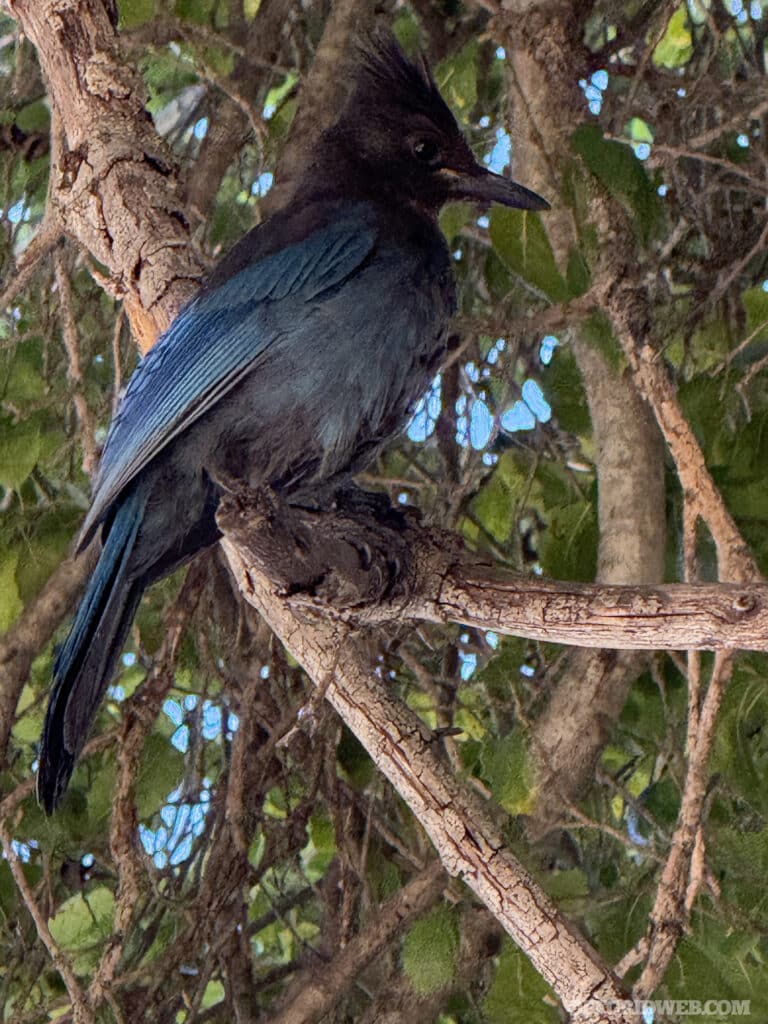
A wealth of wildlife thrives within the park boundaries; the keen-eyed observer stands a strong chance of glimpsing diverse species, such as this striking Steller’s jay perched amid the foliage.
Local Perks: Opt for the east side as your base camp to enjoy proximity to the park store, hot showers, and spacious camping facilities, or embark on day hikes from nearby Salinas Valley communities boasting roadside farm stands brimming with fresh produce and authentic taquerias serving flavorful Mexican fare. West-side entry complements outings to Soledad’s boutique tasting rooms and explorations of storied Mission-era landmarks dotting the valley floor. Avid birdwatchers can pair condor spotting with observations of overwintering raptors soaring above agricultural fields, while families delight in accessible, scenic loops like the Moses Spring Trail leading to Bear Gulch Reservoir during open cave seasons. The spring wildflower superbloom and autumn grape harvest infuse the atmosphere with seasonal magic, yet even on crowded days, tranquility descends by late afternoon as lengthening shadows envelop the iconic spires. Crystal-clear nights post-sunset prime the area for mesmerizing stargazing sessions once the daytime heat dissipates, and brisk mornings resonate with the rhythmic drumming of woodpeckers echoing through the chaparral and oak woodlands. Exercising patience amid high-season throngs unlocks profound rewards in solitude and natural splendor.