






Your Next Move, Planned.

MRE Shelf Life in 2026: Extend Freshness Guide
Help Others Prepare
What Are Meals Ready-to-Eat (MREs)?
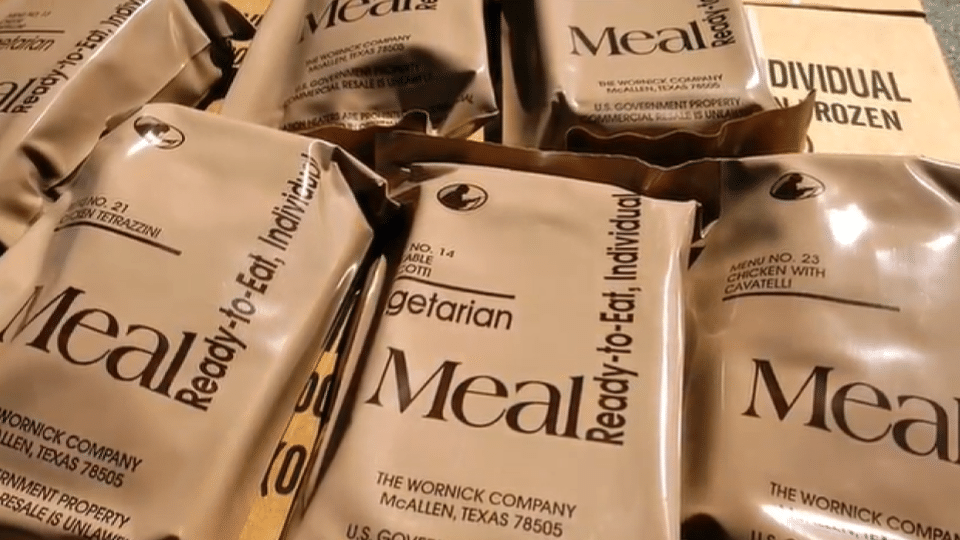
Meals Ready-to-Eat, commonly known as MREs, represent a vital component in emergency food preparedness. These are compact, self-contained meals designed for long-term storage without the need for refrigeration. Originally developed for military personnel by the U.S. Department of Defense, MREs provide complete, nutritionally balanced rations in lightweight, durable packaging. They prove invaluable in scenarios where traditional food sources are unavailable, such as combat zones or disaster-stricken areas. Although primarily intended for armed forces, these meals are also distributed to civilians during large-scale emergencies like floods, hurricanes, or earthquakes.
The primary appeal of MREs lies in their unparalleled convenience and portability. Each unit is pre-cooked, hermetically sealed in flexible pouches, and engineered to retain freshness for extended periods. This preservation method mirrors advanced canning techniques but utilizes lighter, more transportable materials that withstand rugged conditions. A standard MRE package includes a main entrée, complementary side dishes, crackers or bread, flavored spreads, a dessert item, seasonings, beverages, and even a source of candy for quick energy. Additionally, it comes equipped with disposable utensils, napkins, and a flameless ration heater, ensuring a complete dining experience without external resources.
It is important to note that genuine military-grade MREs are not legally available for civilian resale. However, numerous private manufacturers produce equivalent products tailored for public use, available through various retail channels. These civilian alternatives closely replicate the composition and quality of their military counterparts, making them accessible for preppers, campers, hikers, and anyone building a survival stockpile.
Understanding the Shelf Life Duration of MREs
The longevity of MREs is not fixed but varies significantly based on environmental factors, with storage temperature playing the most critical role. Under optimal conditions, these meals can maintain their quality and safety for many years. Typically, when stored at a moderate temperature of 75 degrees Fahrenheit, an MRE will remain viable for approximately five years. In cooler settings, such as below 60 degrees Fahrenheit, this duration can extend to around 10 years. Exceptional cases have documented MREs lasting up to 20 years or more when kept in consistently ideal environments, like controlled cool, dry basements or dedicated storage units.
Conversely, exposure to high heat dramatically shortens shelf life. At temperatures reaching 120 degrees Fahrenheit, such as in unventilated attics or vehicles during summer, an MRE may only last about one month before quality degrades. This sensitivity to heat underscores the importance of strategic storage planning to maximize usability in long-term preparedness scenarios.
Identifying Spoiled or Compromised MREs
Determining whether an MRE has exceeded its safe consumption window requires careful inspection rather than relying solely on printed expiration dates. Unlike everyday grocery items, MRE packaging rarely features a traditional “use by” date due to their extended, condition-dependent shelf life. Instead, manufacturers print a production or packing date in a specialized format, often using the Julian calendar system.
The Julian date typically consists of four digits: the first represents the last digit of the production year within the decade, followed by a three-digit number indicating the day of the year. For example, a code like 5175 signifies production in 2015 (5 for the year) on the 175th day, which corresponds to June 24. Older MREs might include a Time Temperature Indicator (TTI), a small adhesive label with concentric circles. The outer circle darkens over time based on cumulative heat exposure; when it matches the inner circle’s color, the recommended shelf life has elapsed.
Beyond date codes, several visual and sensory cues signal potential spoilage:
Inspect for Packaging Damage
MREs rely on vacuum-sealed, multi-layer pouches to block oxygen, moisture, and contaminants. Any punctures, tears, or swelling indicate breach, allowing bacterial growth or oxidation. Discard any unit showing these defects immediately, as integrity loss compromises safety.
Examine Food Appearance
Upon opening, scrutinize the contents for discoloration, unusual textures, or mold growth. Fresh MRE components should retain their expected color and form; deviations suggest degradation.
Detect Off Odors
A rancid, sour, or unusually pungent smell emanating from the pouch is a definitive red flag. Even if visuals appear normal, trust your sense of smell-strong odors indicate lipid oxidation or fermentation.
Best Practices for Prolonging MRE Shelf Life
While MREs boast impressive durability as survival rations, adherence to specific storage protocols can significantly enhance their longevity and preserve nutritional integrity over decades.
Maintain Cool Storage Temperatures
Heat accelerates chemical reactions within the food, leading to flavor loss and nutrient breakdown. Ideal storage hovers between 50-70 degrees Fahrenheit in dry, stable environments. Avoid attics, garages, or garages prone to temperature swings.
Avoid Freezing Conditions
Although cold prolongs life, sub-zero temperatures cause pouch expansion from content freezing, risking micro-tears. Once thawed, compromised seals invite spoilage agents. Opt for refrigeration over freezing for marginal gains without risks.
Protect from Physical Damage
Store MREs separately from tools, hardware, or abrasive items. Stack them flat in sturdy boxes on pallets to prevent pressure-induced punctures. Regular inspections help catch minor damages early.
Consume Promptly After Opening
Sealed MREs endure indefinitely under proper conditions, but exposure to air post-opening mirrors perishable foods. Heat and eat immediately to enjoy peak freshness and minimize bacterial risks.
Advanced Strategies to Maximize MRE Longevity
Since their introduction by the U.S. Army in 1975 and operational debut in 1983, MREs have evolved into versatile staples for outdoor enthusiasts and survivalists. To push their shelf life toward the upper limits of 10+ years, implement these comprehensive measures.
Store in Cool, Dry, Dark Locations
Minimize exposure to light, humidity, and temperatures above 75°F. Basements, root cellars, or insulated closets shielded from sunlight and vents offer prime conditions. Use dehumidifiers if ambient moisture exceeds 50%.
Retain Original Packaging
The outer cardboard carton and inner plastic overwrap provide multi-barrier protection against UV rays, pests, and humidity. Only remove at consumption time to prevent premature exposure.
Determining When to Replace MREs in Your Stockpile
Regular audits are essential for rotation. Look for bloated pouches, which signal gas buildup from microbial activity, mildew scents, sliminess, or surface mold. If the TTI indicates expiration or production exceeds 10 years under non-ideal storage, replace proactively to maintain stockpile reliability.
Ideal Scenarios for Deploying MREs
MREs excel in short- to medium-term crises: 72-hour bug-out kits, extended power outages, natural disasters, or remote expeditions. Their vacuum-sealed, dehydrated nature preserves calories, vitamins, and palatability through oxygen exclusion. However, extreme heat storage halves expected life, so tailor expectations to your setup.
Decoding MRE Julian Date Codes
Military-grade precision defines the Julian system: first digit for decade year (e.g., 0 for 2020), followed by day-of-year (001=Jan 1, 365/366=Dec 31). Examples: 0023=Jan 23, 2020; 5175=June 24, 2015. Leap years add day 366. This enables quick age assessment even after prolonged storage.
Calculating Expected MRE Shelf Life
Shelf life estimation integrates pack date and average storage temperature. A simplified formula divides years from pack date, adjusted for temp: at 70°F, expect ~5.5 years from a 2026 pack date (2026/365≈5.55). Use DoD charts for precise Q10 modeling, where every 10°C rise halves life.
Frequently Asked Questions About MREs
Here are detailed answers to common inquiries on MRE handling and usage.
Is it safe to consume MREs past their indicated date?
Yes, in many instances, provided packaging remains intact and sensory checks pass. They prioritize safety over perfection, with low foodborne illness risk. Discard only if visibly or olfactorily compromised.
What are the risks of eating overdue MREs?
Typically minimal-possible off-tastes or reduced vitamins, but rarely illness unless seals failed, exposing contents to contaminants. Individual tolerances vary.
Optimal storage methods for maximum duration?
Dark, cool (<75°F), low-humidity spots in original packaging. Monitor with thermometers/hygrometers.
Incorporating MREs into emergency food supplies?
Locate the heater pouch, add water to line, insert entrée, and prop upright. Yields hot meals in 10-15 minutes without fire.
Shelf life of genuine military MREs?
5+ years at ≤75°F in robust, waterproof pouches designed for field conditions.
Effects of freezing on MRE longevity?
Can exceed 10 years at freezer temps, but risks packaging rupture; prefer consistent cool storage.
Concluding Thoughts on MRE Preparedness
MREs offer robust, reliable nutrition for uncertain times, with shelf lives scaling from one month in heat to 10-20 years in cool conditions. By mastering storage, inspection, and decoding techniques outlined here, you can sustain a resilient food reserve capable of supporting off-grid living for years. Integrate these insights into your strategy for confident, long-term security.