



Your Next Move, Planned.
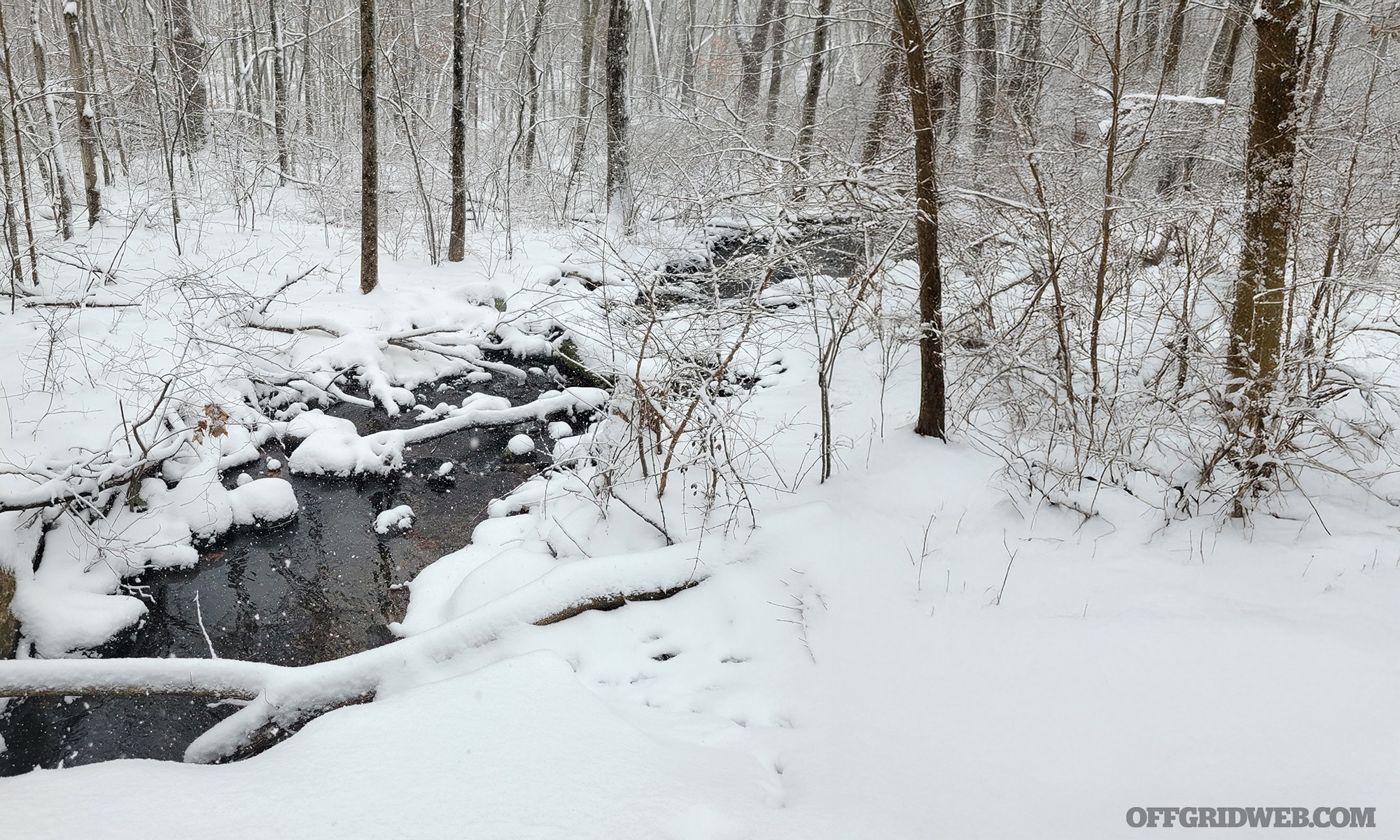

Mastering Hypothermia: Prevention and Treatment in Cold Weather
Help Others Prepare
Thermoregulation
The winter season introduces significant dangers for individuals who spend time outside in harsh conditions. Heavy snowfalls, biting winds, and sub-zero temperatures create numerous hazards, prominently including the elevated danger of hypothermia. Adventurers who explore frozen landscapes are typically aware of this peril, yet even a minor gap in knowledge can transform a minor inconvenience into a life-threatening crisis.
Regardless of whether you are a bold explorer or simply someone focused on preparedness handling everyday routines, grasping the mechanisms behind hypothermia development, strategies to avoid it, and protocols for treating affected individuals plays a crucial role in maintaining health and readiness throughout the chilly winter period.
To comprehend the onset of hypothermia and its profound effects on the human physiology, it is essential to first examine the mechanisms by which our bodies regulate internal temperature. The human organism utilizes a sophisticated system known as thermoregulation to sustain a core temperature around 98.8 degrees Fahrenheit. This precise balance ensures that all vital organ systems operate at optimal efficiency. Many of these regulatory actions are familiar in daily life-for instance, perspiration occurs to dissipate excess heat when we overheat, while shivering generates warmth during cold exposure. These represent merely introductory elements of the intricate array of physiological responses dedicated to preserving our ideal thermal state. Although remarkably effective, this system can be overpowered by severe environmental stressors.
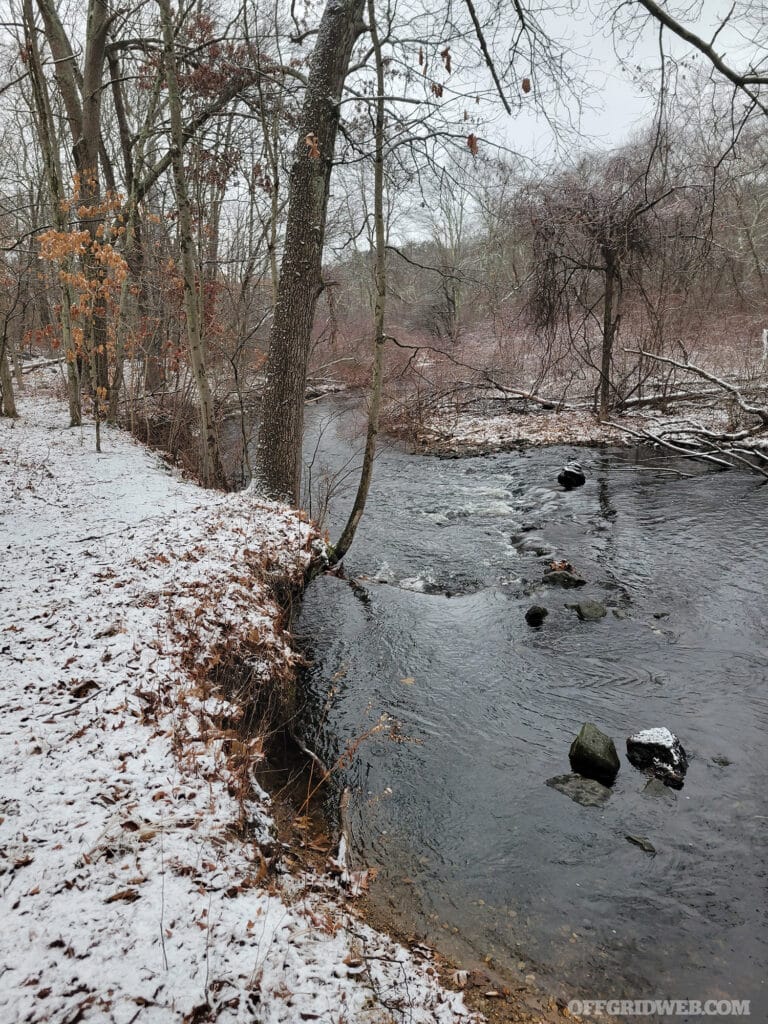
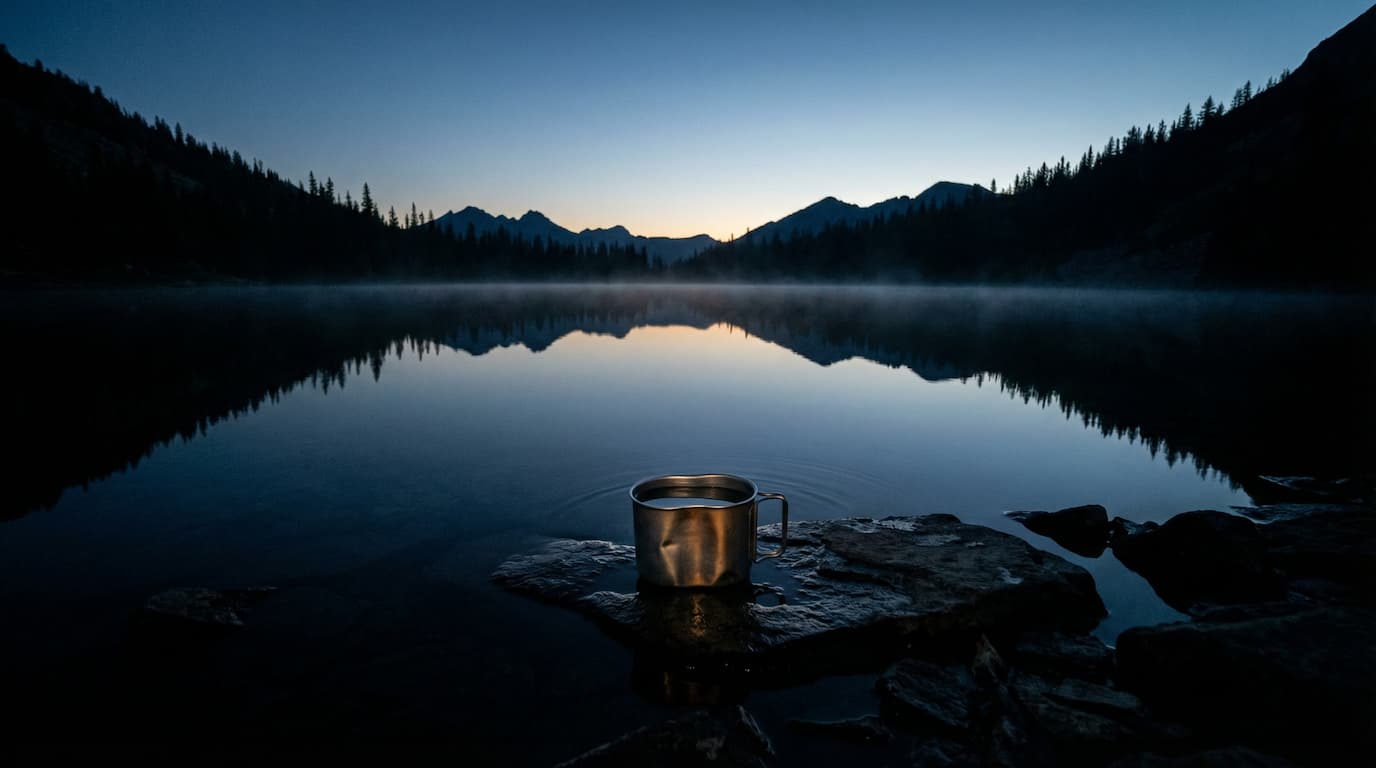
Plunging into frigid water amid winter conditions can swiftly trigger potentially fatal hypothermia.
Hypothermia
Hypothermia, in straightforward terms, arises when the core body temperature falls below 95 degrees Fahrenheit. Such a decline disrupts critical bodily functions, particularly affecting the cardiovascular, neurological, and respiratory systems. Without prompt intervention, it may precipitate complete organ failure and ultimately prove lethal. Generally, with appropriate management, hypothermia does not result in enduring harm; nevertheless, in grave instances, diminished circulation can inflict lasting injuries, predominantly to peripheral areas like limbs, hands, and feet.
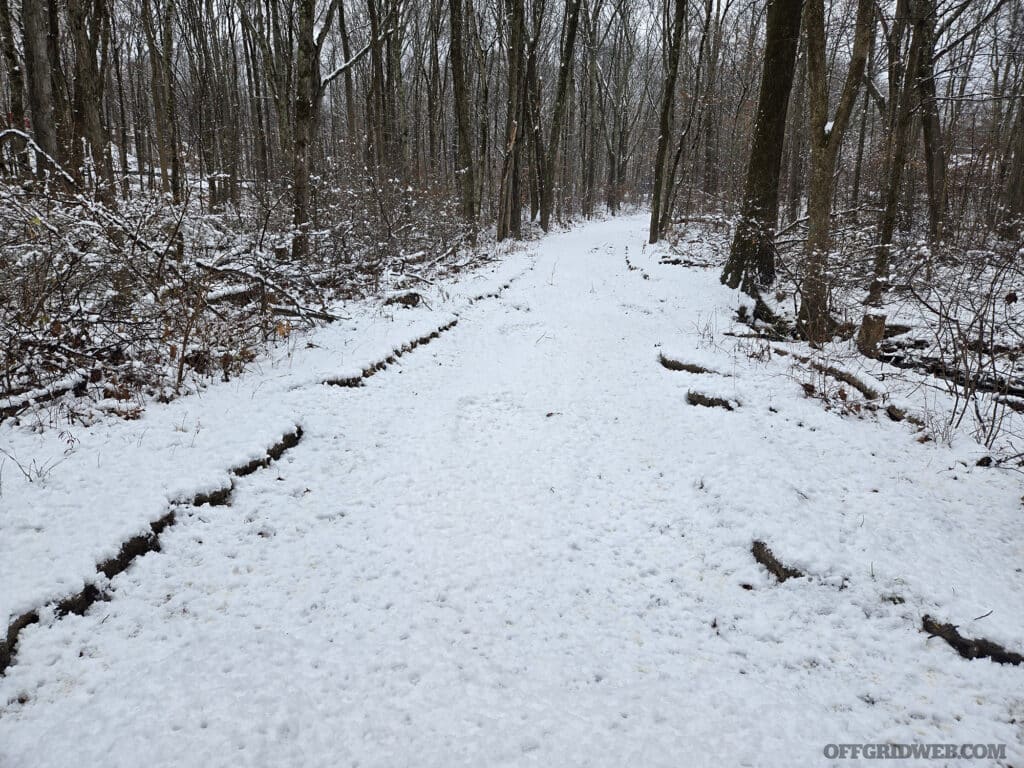
Well-known paths and trails can become unrecognizable under thick snow blankets obscuring landmarks and signage. Slippery ice on walkways heightens the risk of falls. Such incidents often extend unintended time spent exposed to harsh weather.
How Hypothermia Occurs
Hypothermia develops when the rate of heat dissipation from the body surpasses its capacity to generate warmth. This condition can manifest in diverse settings, from remote wilderness areas to bustling cities, and even inside vehicles or structures under specific circumstances. While it predominantly strikes in sub-freezing conditions, various contributing elements can provoke hypothermia in ambient temperatures as mild as 50 degrees Fahrenheit.
- Water Exposure: Immersion in cold water accelerates heat loss dramatically, rendering accidental falls into icy bodies a frequent trigger. Submersion in water at 32.5 degrees Fahrenheit can induce severe hypothermia and death within 15 minutes, whereas temperatures up to 70 degrees might take about two hours to produce similar effects. Damp snow or rainfall can likewise precipitate hypothermia even when air temperatures hover above freezing.
- Wind Effects: A slender sheath of warm air, produced by body heat, envelops us continuously and forms a key component of innate thermoregulation. Our skin enhances this barrier in cold by raising goosebumps to capture additional warmth. Wind exacerbates chill by stripping away this insulating layer, thereby hastening heat escape.
- Exposed Skin: Approximately 90 percent of body heat escapes via the skin, with the balance lost through breathing. Bare skin in low temperatures cools swiftly, not only shedding heat directly but also chilling blood that recirculates to vital organs, thereby lowering core temperature.
- Sweating: Physical activity and insulating garments generate excess heat and perspiration even in winter. Initially beneficial in averting overheating, sweat turns problematic when fabrics absorb it, mimicking the heat-draining impact of cold water immersion.
- Alcohol and Caffeine Influence: The body’s countermeasure to swift cooling involves vasoconstriction-constricting blood vessels to curb heat loss and limit cold blood return to essential organs. Conversely, substances like alcohol and caffeine promote vasodilation, widening vessels and accelerating core heat depletion.
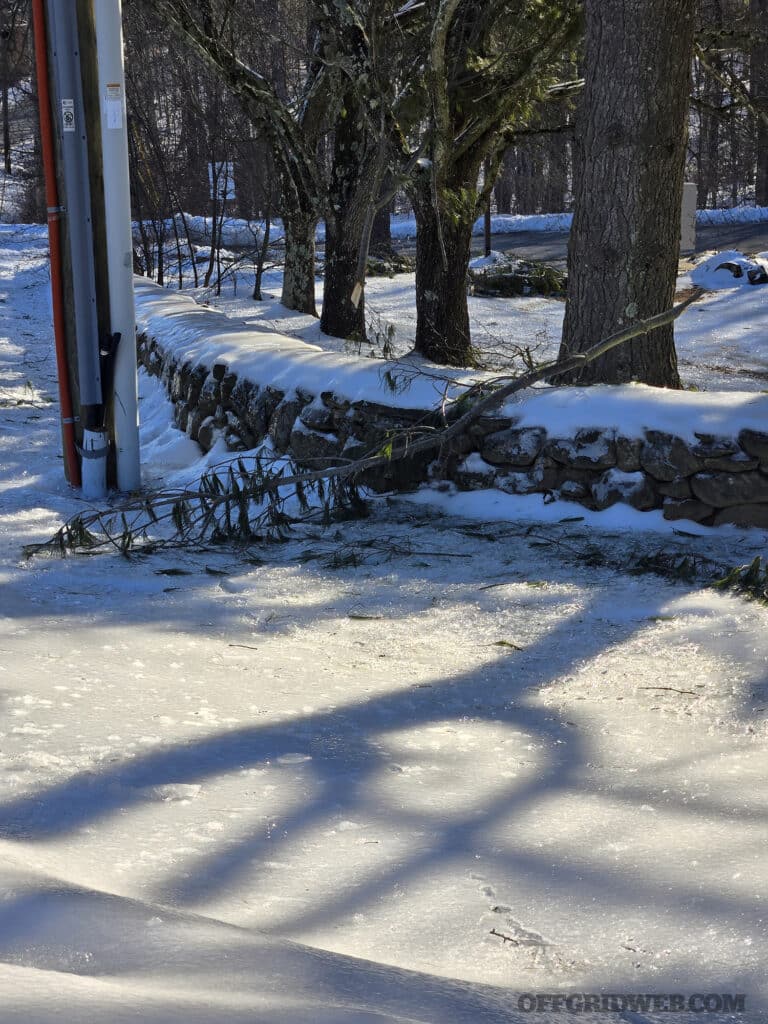
Accumulated snow and ice weights can topple substantial tree limbs, severing power lines or obstructing thoroughfares, forcing detours that extend time in frigid conditions.
Sensitive Groups
Youngsters and elderly individuals exhibit greater vulnerability to hypothermia compared to other demographics. Those afflicted with ailments like diabetes, cardiovascular issues, or circulatory impairments face heightened risks as well. Such populations can descend into hypothermic states more rapidly and may succumb even at 50 degrees Fahrenheit when compounded by aforementioned factors.
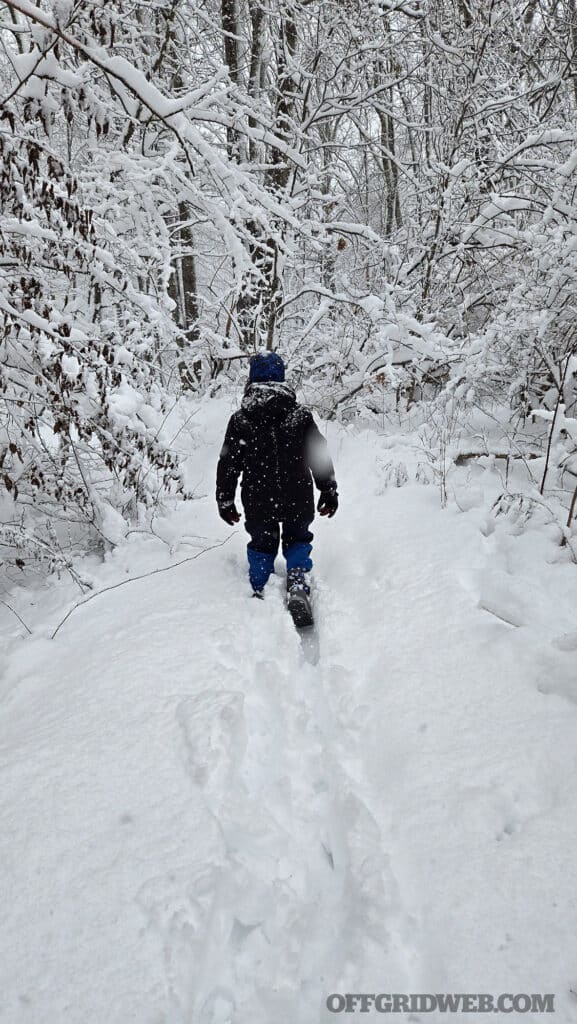
Children represent a high-risk category prone to faster hypothermia onset than robust adults. Equipping vulnerable persons with suitable winter apparel is indispensable for mitigation.
Signs and Symptoms
Hypothermia unfolds progressively across stages, each distinguished by specific indicators.
- Mild Hypothermia: Violent, uncontrollable shivering dominates.
- Moderate Hypothermia: Shivering wanes; coordination falters, fine motor skills deteriorate, confusion sets in, and lips may turn blue.
- Severe Hypothermia: Shivering ceases entirely; unconsciousness ensues, muscles stiffen, cardiac rhythms become erratic, potentially culminating in arrest.
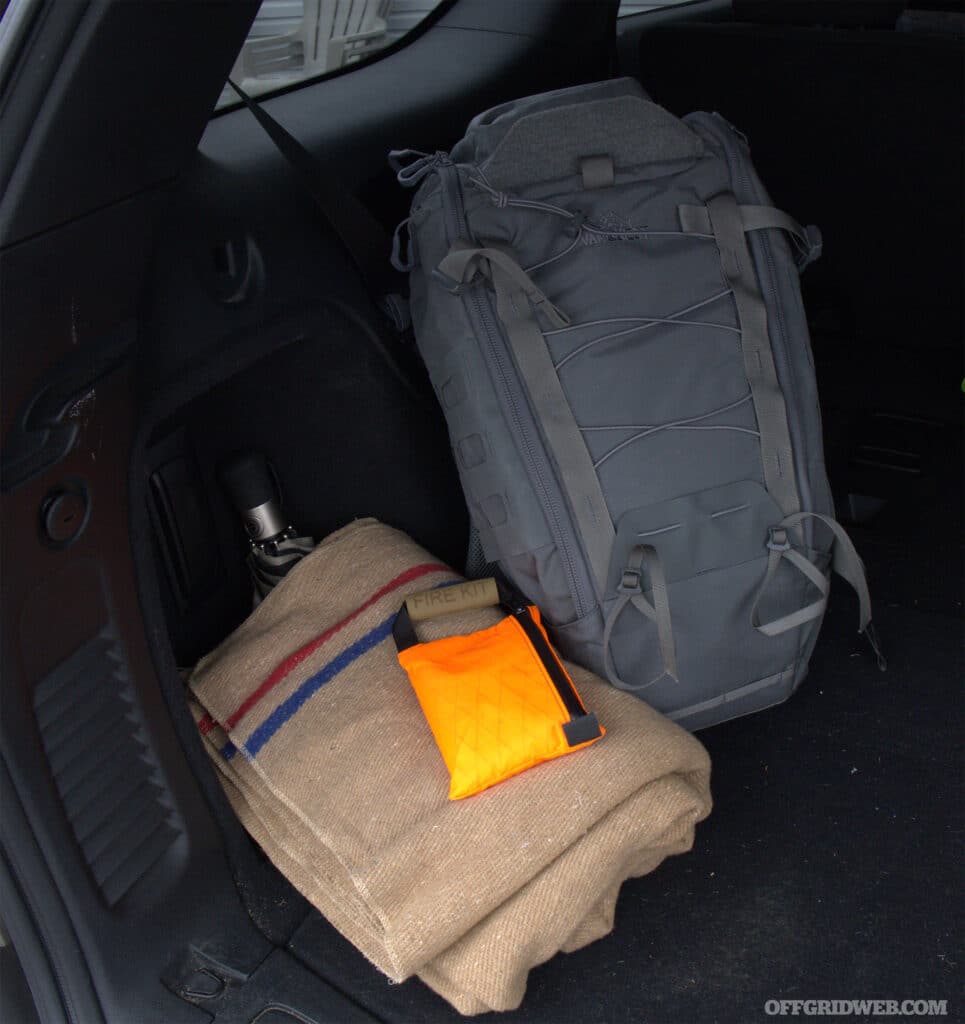
Maintaining a winter emergency kit stocked with spare dry attire, blankets, and fire-starting implements ensures warmth if a vehicle fails. A sturdy get-home bag facilitates carrying these necessities if evacuation on foot becomes necessary.
Prevention
Hypothermia remains largely treatable, yet proactive prevention stands as the superior safeguard during cold seasons.
Steering clear of extreme cold proves the most effective deterrent. Though not always feasible, closures of schools and businesses during blizzards underscore this approach. Remaining indoors amid active storms minimizes risks of vehicular stranding or injuries impeding shelter access.
When outdoor exposure is unavoidable, selecting proper attire and protective layers becomes paramount. Layering systems that trap insulating air are crucial for prolonged cold encounters. Sudden weather shifts can strand travelers, underscoring the need for preparedness even on short outings.
- Base Layer: Worn closest to the skin, wool or synthetic options combat sweat-induced cooling. Wool, a natural insulator used by animals, excels at retaining warmth when damp-unlike cotton. Wool socks safeguard feet by wicking moisture and averting tissue damage. Synthetics, though less optimal, facilitate rapid drying.
- Mid Layer: Comprising everyday garments like shirts and pants, eschew cotton to avoid moisture retention from precipitation or exertion. Water-resistant trousers preserve heat, especially as temperatures drop. Prioritizing core insulation via fleeces or vests counters cooled peripheral blood returning centrally.
- Outer Layer: Encompassing coats, headwear, hand coverings, and footwear, functional designs outperform stylistic ones. Insulated, water-repellent parkas suit wet colds; wool accessories layer effectively under heavier items. Waterproof, insulated boots maintain foot dryness and warmth.
Winter Ready Vehicle
Vehicles are often misperceived as reliable cold-weather havens. While they shield from wind and precipitation, heat dissipates rapidly without operation. Short-term refuge benefits from essential provisions to thwart hypothermia.
- Blankets: Wool varieties offer superior insulation during crises.
- Spare Clothing: A complete dry winter ensemble can be lifesaving.
- Survival Kit: Fire-making tools and shelter-building aids prove invaluable.
- Fuel: Maintain near-full tanks to sustain heating longest.
- Maintenance: Preemptive checks avert cold-induced failures.
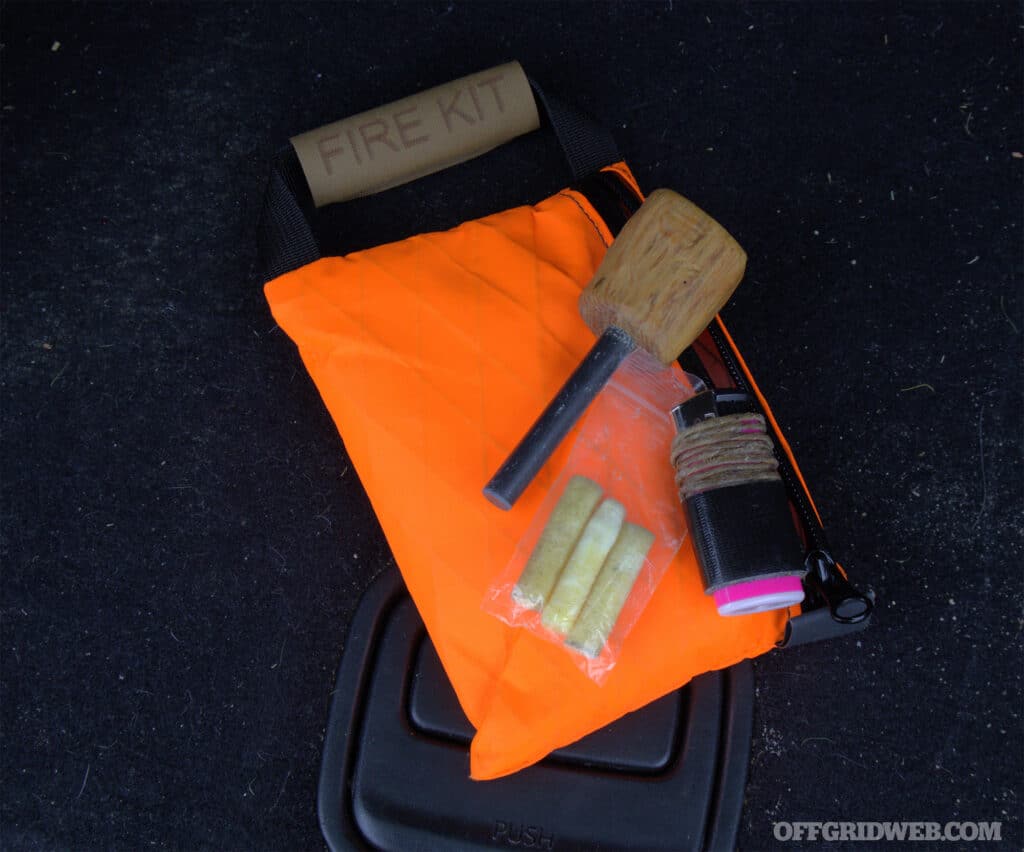
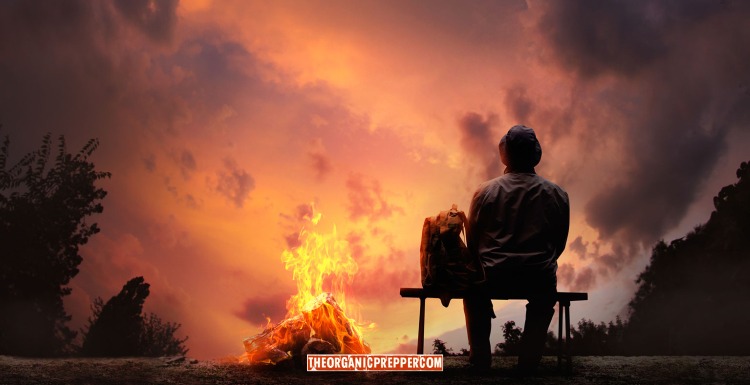
Fire delivers essential heat, illumination, and distress signaling. Comprehensive kits with redundant starters and tinder ignite flames despite dampness, housed in waterproof containers for reliability.
Treating Hypothermia
Though prevention reigns supreme, targeted actions can stabilize moderate to severe hypothermia victims pending professional aid.
- Relocate indoors if feasible; otherwise, shield from frozen ground.
- Strip wet garments, donning dry warm alternatives.
- Apply warmth centrally via layers and coverings.
- Avoid initial peripheral rewarming to prevent cardiac irregularities.
- Refrain from hot baths, which risk arrhythmias.
- For alert victims, provide non-caffeinated, non-alcoholic warm drinks.
- Initiate CPR for unconscious cases and summon emergency services promptly.
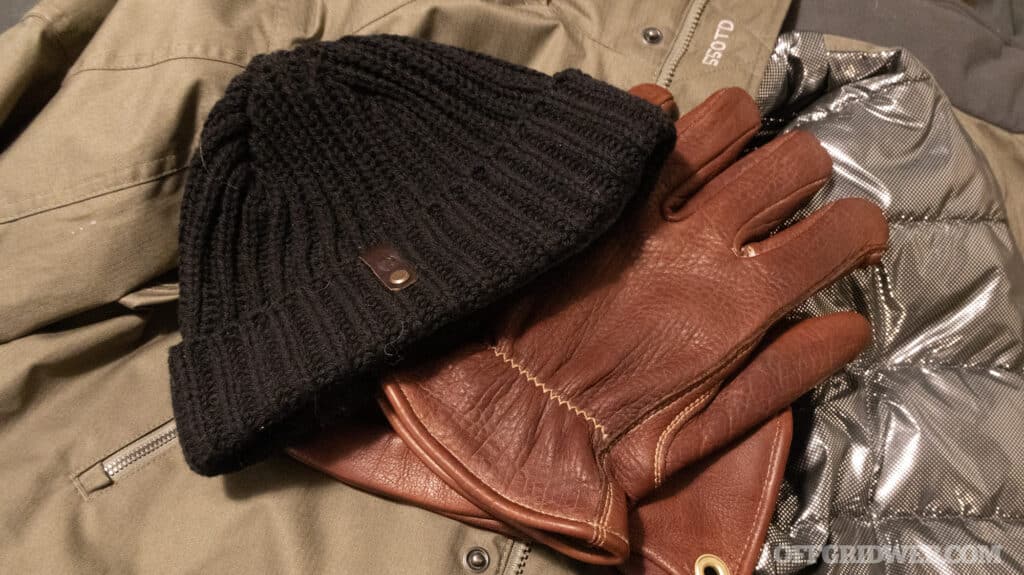
Water-resistant insulated outerwear, wool head and hand protection extend heat retention, fortifying hypothermia defenses.
Final Thoughts
Hypothermia poses a grave winter hazard, readily avertable through foresight and prudence. Contemporary haste often exposes commuters and errand-runners to peril amid storms, bypassing available alerts.
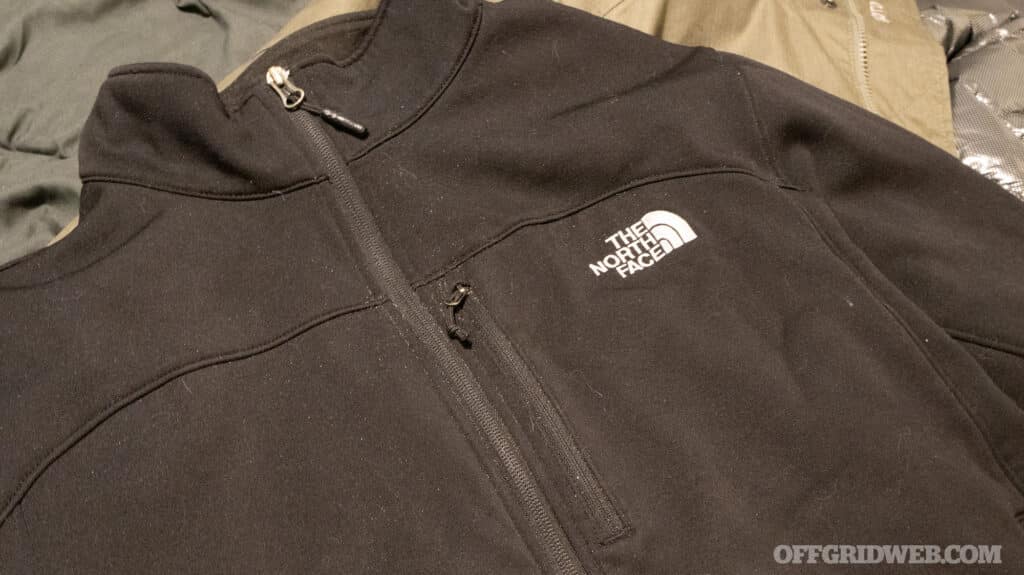
Synthetic mid-layers wick moisture, insulating cores from outer dampness penetration.
Beyond heeding forecasts and sheltering, stock homes with necessities to curtail travel. Vehicle readiness and onboard kits further bolster safety if immobilized.
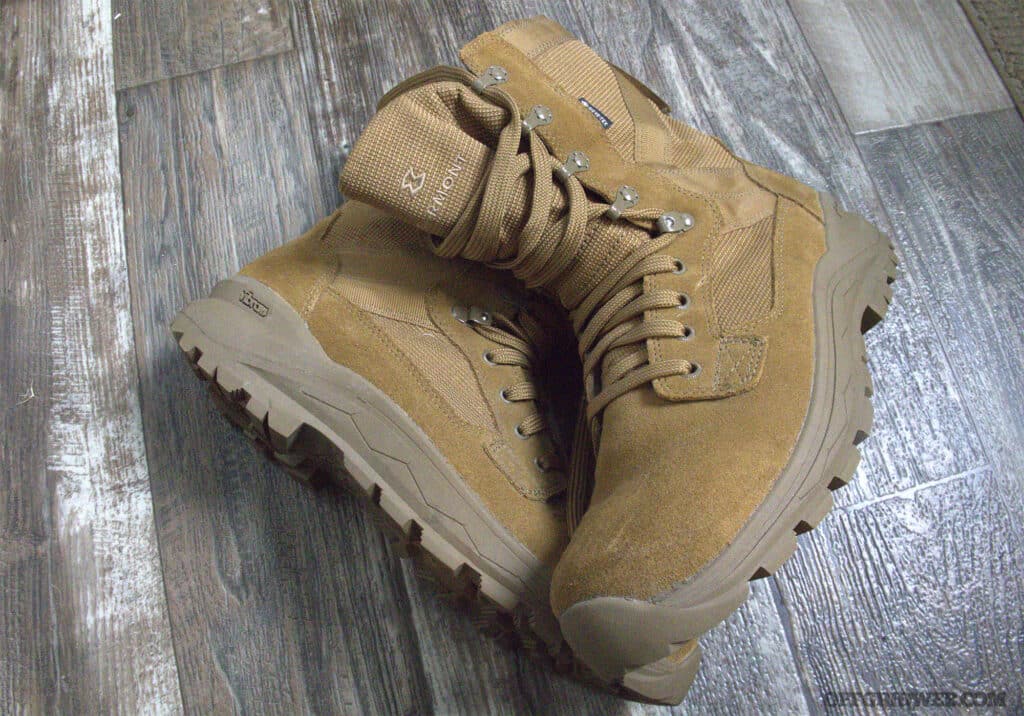
Specialized boots like insulated waterproof models sustain foot comfort across adverse winter surfaces.
Ultimate hypothermia defense lies in evasion, but when unavoidable, arm yourself with gear, knowledge, and techniques safeguarding self and companions.