



Your Next Move, Planned.

Master Winter Challenges: Vanquest IBEX 26 Get-Home Bag
Help Others Prepare
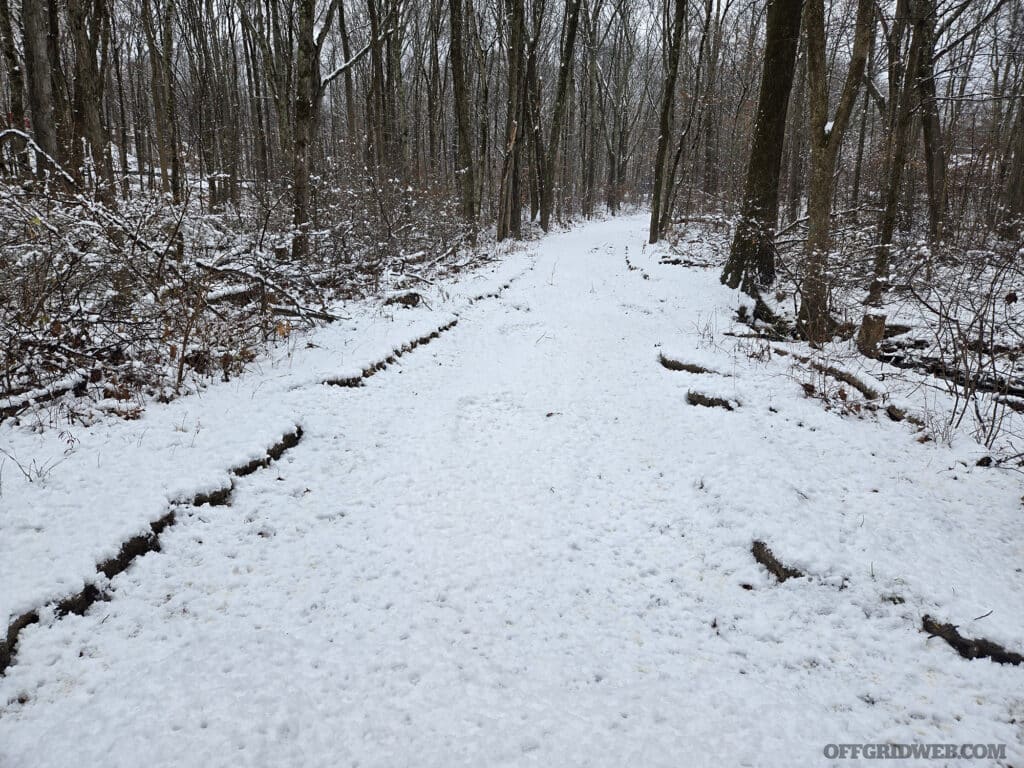
Heading into the heart of winter brings a host of obstacles that simply don’t appear during milder weather. Sub-zero temperatures usher in snow and ice, transforming well-known terrains into treacherous zones and turning routine trips into potential hazards without proper readiness. Preparation demands suitable apparel, protective outer layers, and sturdy footwear. However, beyond outfitting ourselves correctly, it’s crucial to outfit our get-home bag to withstand the brutal winter environment effectively.
Your Reliable Shelter Amid the Winter Tempest
A get-home bag serves as your comprehensive toolkit and resource cache for returning to safety. The key difficulty lies in striking the right equilibrium between essential equipment and overall pack weight. Distinct from a bug-out bag, which supports extended stays of three days or longer away from base, a get-home bag focuses on roughly 24 hours worth of provisions. In temperate seasons, maintaining a lightweight and agile setup is straightforward, yet winter’s severe weather and plummeting temperatures necessitate extra gear, inevitably bulking up the load.
Although some might overlook added pounds in their get-home bag if vehicular travel is the norm, winter conditions heighten the chances of ditching the car and proceeding on foot. Treacherous snow and ice already complicate pedestrian movement, and layering on a cumbersome backpack could spell catastrophe.
Addressing this issue requires a dual strategy. Intelligent packing techniques, coupled with versatile multi-use items, can trim excess weight. Equally important is selecting a backpack engineered to handle increased loads securely and comfortably.
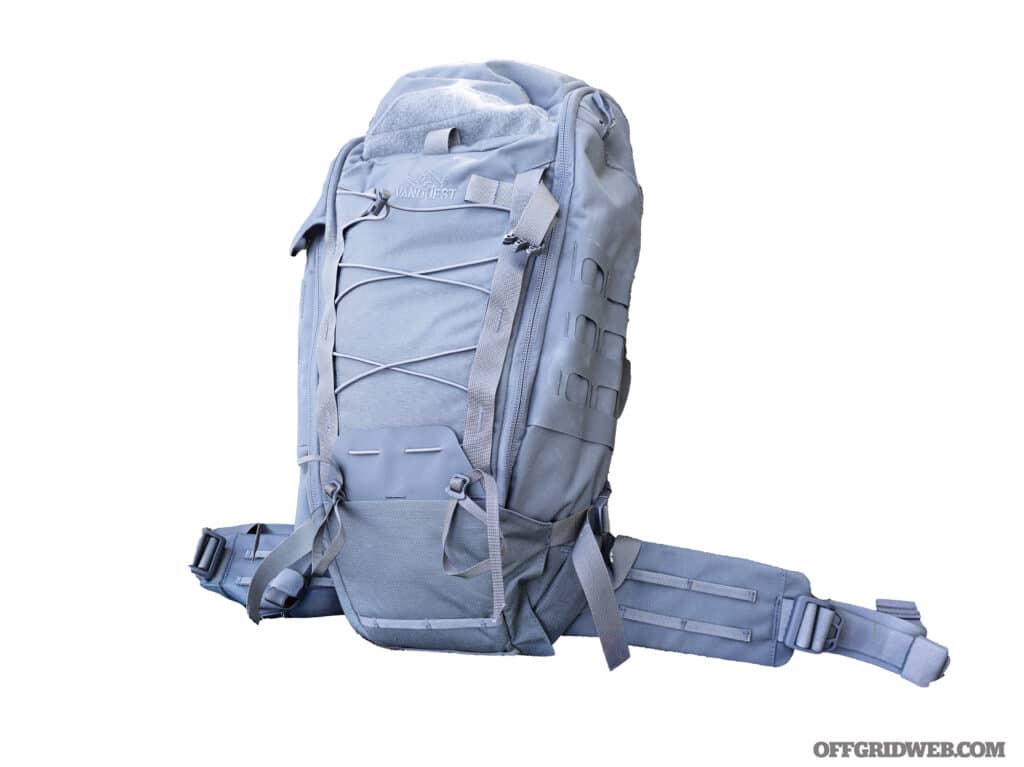
Vanquest IBEX-26: Engineered for Demanding Conditions
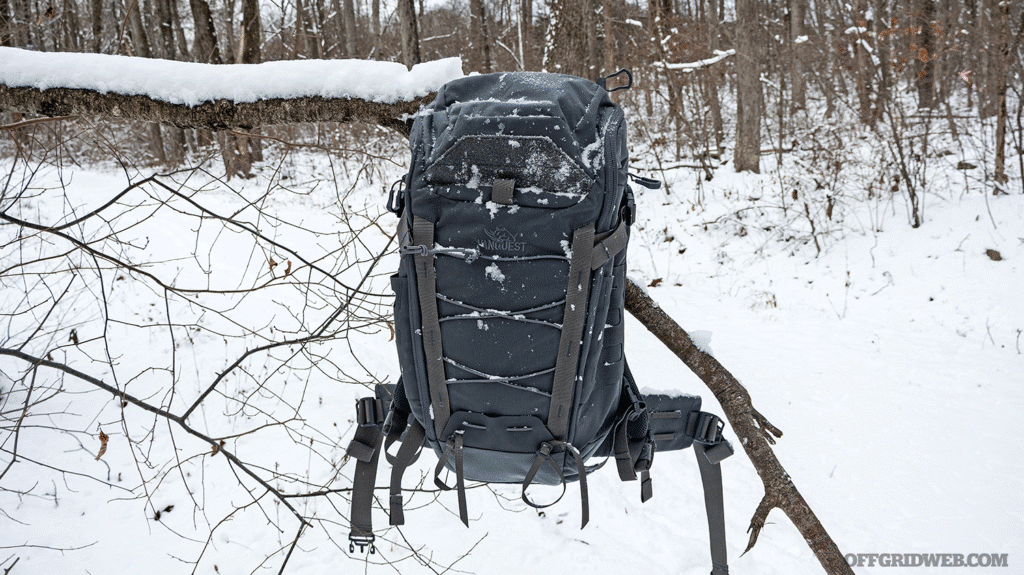
Vanquest, a compact American outfit, excels in crafting premium soft goods such as backpacks, sling packs, and organizing inserts. Their commitment extends beyond superior build quality; every product targets practical fixes for everyday gear-carrying dilemmas. The IBEX lineup exemplifies this philosophy perfectly.
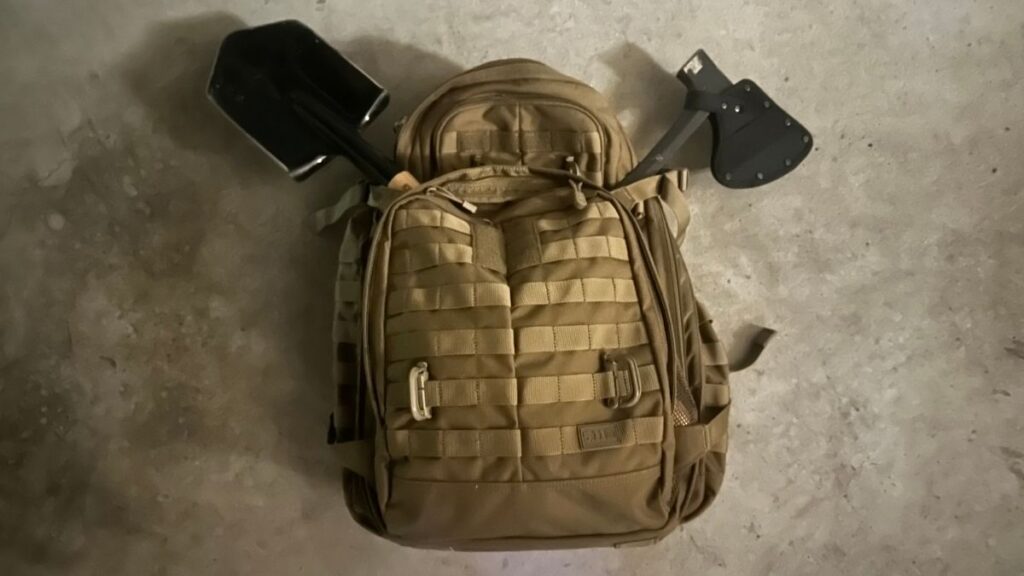
The IBEX comes in 26-liter and 35-liter capacities – for get-home purposes, the 26-liter version was chosen to curb the temptation to overload. Superficially, it resembles conventional hiking backpacks with its elongated, slender profile, integrated waist belt, and abundant external attachment features. This configuration excels at distributing heavier weights safely, channeling the burden through the hips and legs rather than overburdening the shoulders. Consequently, balance improves, exhaustion diminishes, and risks of strains or pulls lessen significantly. Mirroring elite hiking packs, the IBEX boasts plush strap padding and a rigid yet ventilated back panel for optimal support and airflow.
The Vanquest IBEX distinguishes itself by merging the ergonomic safety of premium hiking designs with the resilience and modularity typical of tactical packs. Departing from the flimsy nylons in standard hiking gear, the IBEX employs robust Cordura nylon, prized for its resistance to abrasion and tearing. Its MOLLE panels utilize Hypalon material, impervious to weather exposure, prolonged sunlight, and corrosive substances. Vanquest equips it with dependable YKK zippers and rugged Spartan pulls, facilitating swift access even under duress.
Complementing the MOLLE webbing for pouches and extras, the outer shell includes bilateral side pockets for rapid retrieval items, expandable for bulkier goods. These pockets feature hook-and-loop surfaces compatible with add-on organizers. A spacious top pocket grants partial main compartment entry without fully unzipping, while various lash points accommodate trekking poles, hatchets, or similar tools.
Inside the primary hold, you’ll find a mesh-zippered divider, crossover access to the top pocket, a rear slot accommodating oversized laptops or hydration reservoirs, plus MOLLE and Velcro zones for further customization.
Optimizing the IBEX-26 for Harsh Winter Deployment
Numerous essentials in a winter get-home bag prove useful year-round, though certain components demand winter-specific tweaks due to frigid conditions. Alongside core survival staples, supplementary items become imperative for navigating icy perils. We’ll dissect each category, spotlighting adaptations and inclusions tailored for the freeze.
Fire: Igniting Warmth in the Deep Freeze
Mastering fire production remains a cornerstone of survival across scenarios. It enables meal preparation, water sanitization, and vital warmth generation. Fire also aids signaling rescuers and bolstering spirits. Come winter, generating heat while stranded outside skyrockets in priority, prompting specialized fire-starting choices. Conventional lighters falter in extreme cold, while electronic variants suffer accelerated battery drain. Moisture from snow – particularly melting – poses another hurdle.
Opt for synthetic or chemical tinders that ignite fiercely, even damp. These burn intensely enough to kindle sodden timber when dry fuel is scarce. For wood foraging in snowy realms, prioritize dead branches still affixed aloft on upright trees, drier than ground-level finds.
A clever hack involves petroleum jelly-infused cotton balls, serving as firestarters and zipper/tool lubricants. Proficiency with ferrocerium rods shines in damp chills, reliably sparking regardless.
Water: Sustaining Hydration Against the Cold
Dehydration strikes swiftly without water. Though linked to sweltering heat, it looms equally large in winter. Bulky winter garb traps sweat during exertion, accelerating fluid loss unnoticed.
Pre-packed water risks solidification in sub-zero exposure, so avoid stashing bags in vehicles. On foot, position bottles nearest your core heat to thwart freezing.
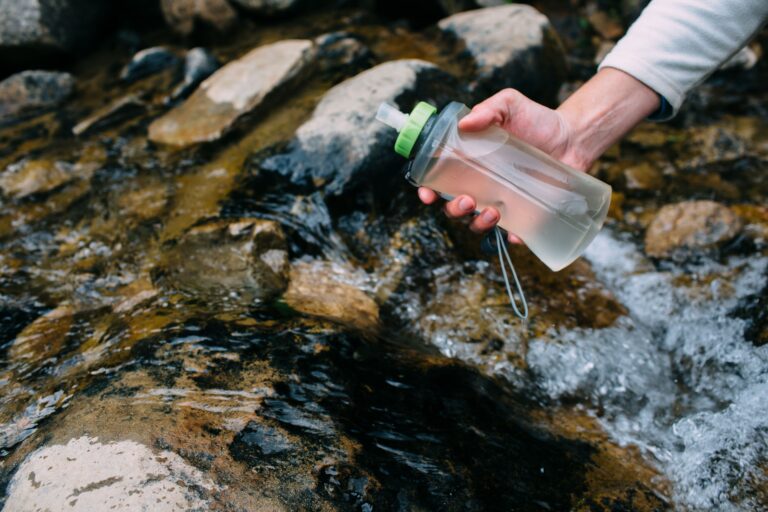
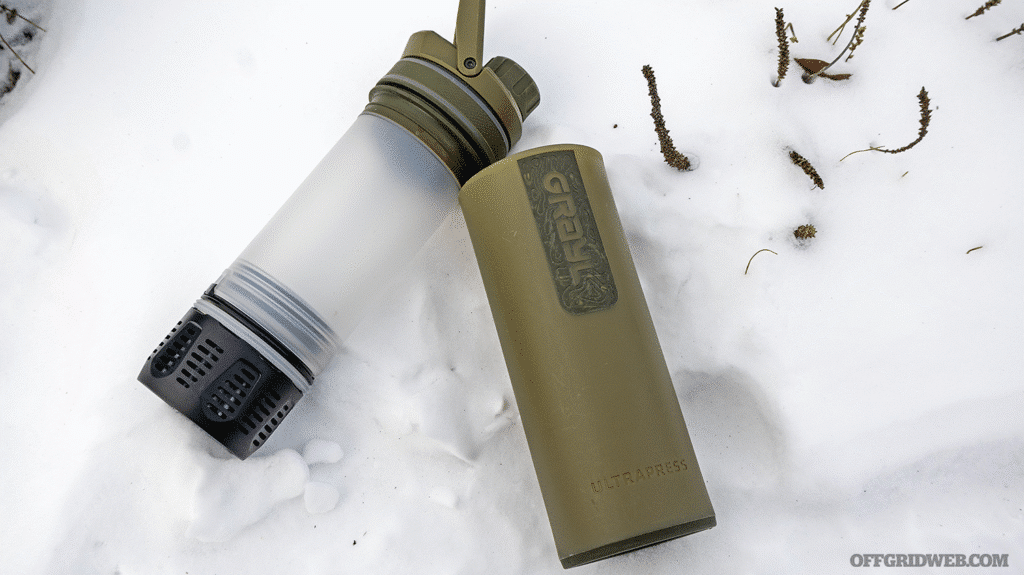
Natural sources dwindle in winter; streams, if located, harbor microbes despite the chill. Employ boiling, tablets, or filters for purification. Verify any portable filter’s cold-weather tolerance. Gulping icy water chills the body core, heightening hypothermia odds. Likewise, abstain from melting snow or ice directly for thirst quenching, as it exacerbates cooling.
Shelter: Fortifying Against Winter’s Fury
Shelter – be it ready-made or constructible – is non-negotiable in survival kits. Winter amplifies clothing layers, yet shielding from gales, blizzards, and sleet extends outdoor endurance dramatically.
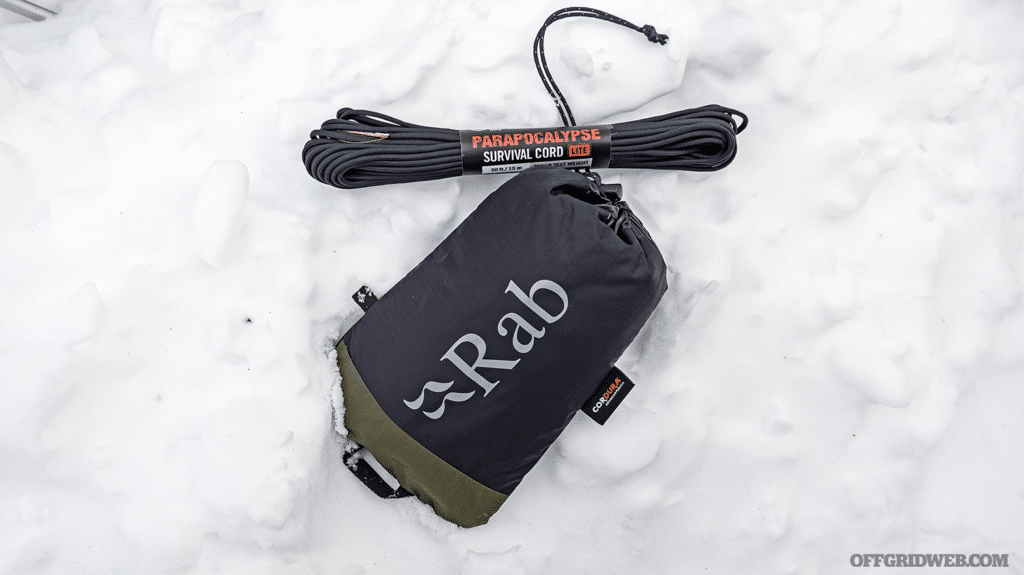
Winter shelters must brave fiercer winds and snow/ice accumulation. Favor heavyweight tarps over gossamer ones. Select non-absorbent fabrics to prevent melt-drip as interiors thaw.
Elevating off frozen earth via insulation is critical; incorporate foam pads or improvise barriers.
Clothing: Layering for Unforeseen Exposure
Even brief winter outings warrant full layering; mishaps occur rapidly. Pack redundant dry attire as backup.
Sodden garments precipitate hypothermia. Post-immersion or saturation, swapping to dry layers is lifesaving.
Wool excels, insulating when drenched – superior to cotton, though dryness reigns supreme. Safeguard spares with dry bags or sealed trash liners atop pack’s water resistance.
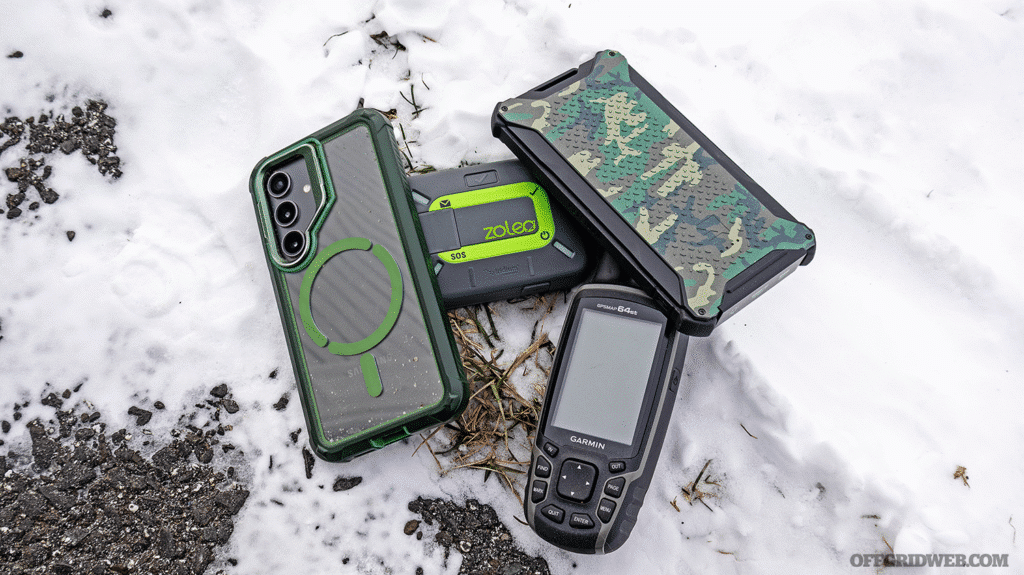
Navigation: Charting Courses Through Snowdrifts
Snowfall disorients profoundly. Routine locales morph unrecognizably under white blankets, trails vanish, landmarks hide.
Compass mastery provides directional anchors. Standalone GPS aids route-finding, but cold hastens battery fade. Insulate devices and spares body-adjacent; tote redundant power.
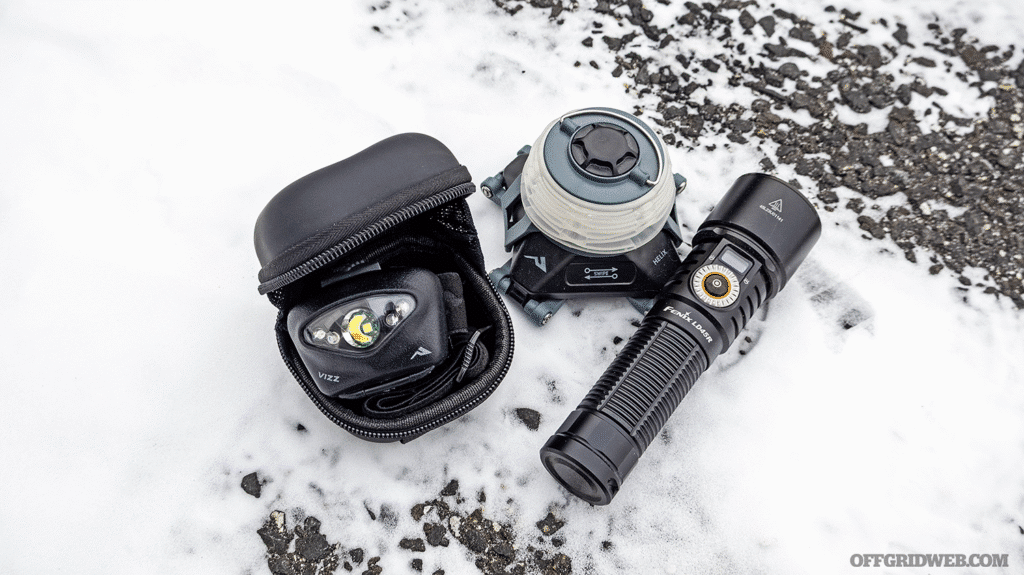
Light: Illuminating the Frozen Night
Reliable illumination belongs in every kit, amplified for prolonged crises. Snow’s reflectivity boosts artificial and lunar glow alike.
Factor cold-induced battery sag. Multi-mode lights (reds, blues) cut snow glare, safeguard night vision.
Headlamps free hands for warmth preservation or tasks.
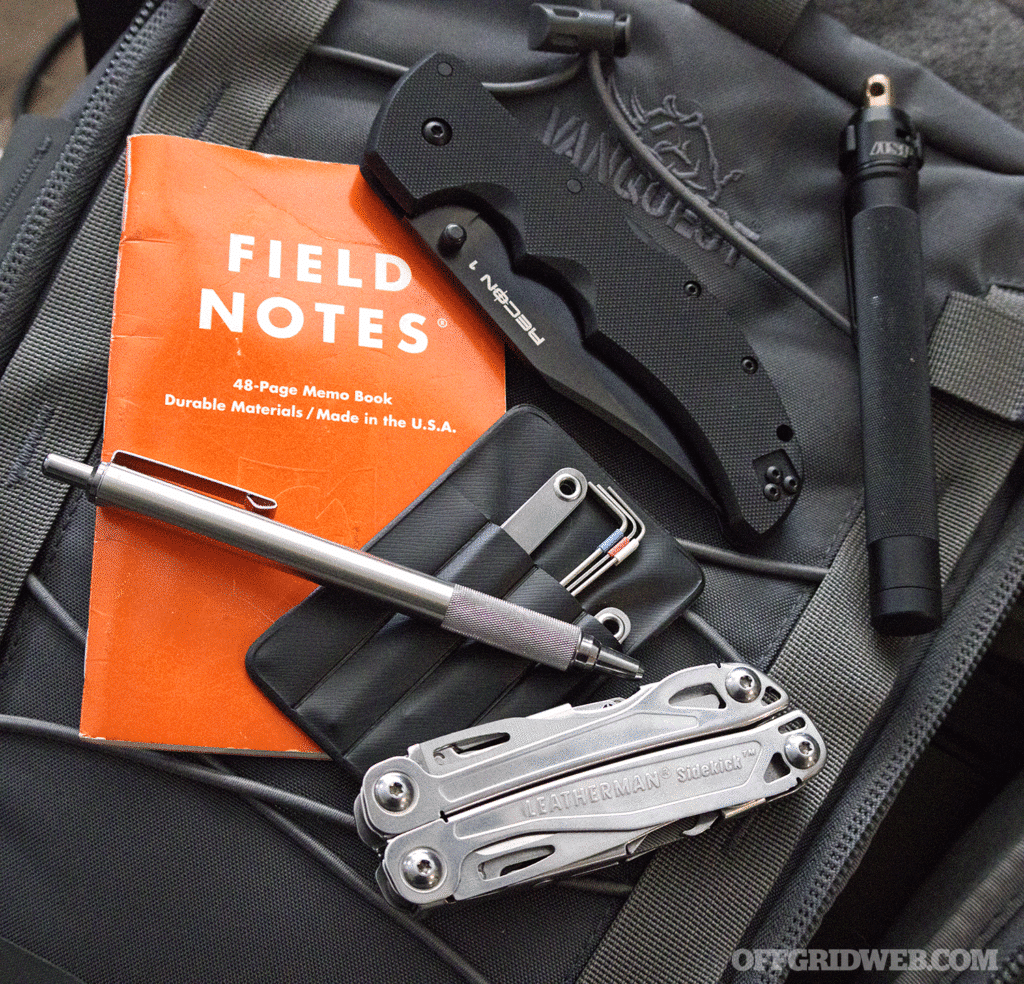
Tools: Versatile Implements for Icy Survival
Fundamental tools amplify survival odds across seasons. Blades, pliers, saws, hatchets endure winter rigors.
Prioritize glove-compatible grips. Bare-handed use risks frostbite on metallic handles; favor polymer or timber alternatives.
Food: Fueling the Body’s Winter Metabolism
Nourishment powers endurance. Cold spikes caloric demands for thermoregulation, demanding ample reserves.
Forage shrinks seasonally; stock freeze-tolerant, stable rations. Nestle edibles body-close like water to avert solidification.
Self-Defense: Reliable Protection in the Freeze
Defensive means are prudent. Cold impairs some options.
Pepper spray weakens – erratic streams, canister failures; body-warmth preserves efficacy. Firearms risk malfunction sans prep; lubricate against corrosion.
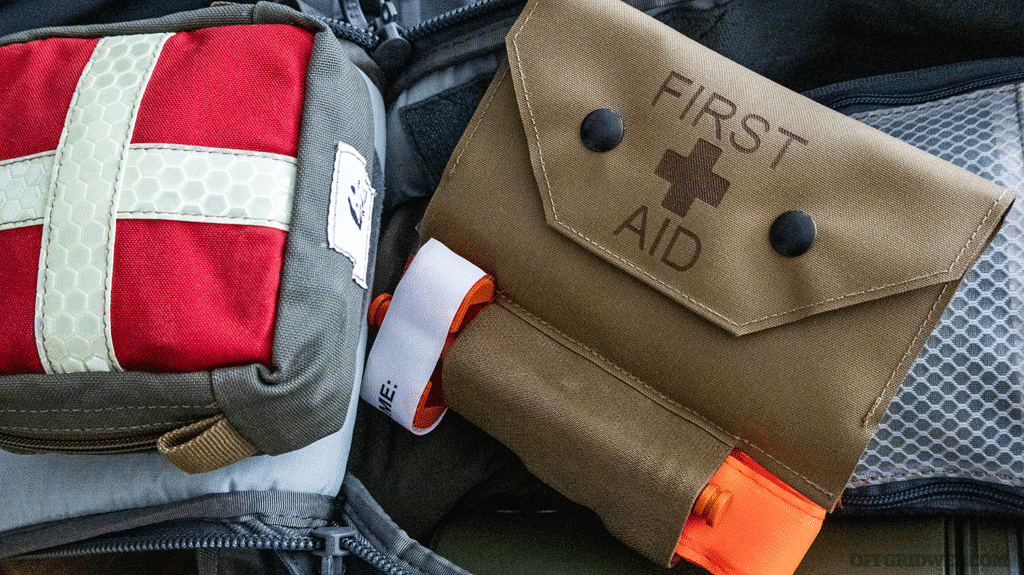
First Aid and Medical: Treating Winter Wounds
Core first aid covers minor woes; advanced trauma gear saves lives with training.
Wipes double as tinder. Liquids lose potency when chilled long-term.
staunch bleeding counters hypothermia acceleration. Bolster slip-related supplies: splints, bandages.

Closing Reflections
Armed with the Vanquest IBEX-26 and meticulous forethought, winter travel hazards become manageable. Preparation – knowledge, proficiency, gear – trumps hoping for calm seas.