





Your Next Move, Planned.

Life-Saving Signal Hacks for Survival
Help Others Prepare
When you’re stranded in the wilderness, time is of the essence. Knowing how to signal for help can be the difference between life and death. While signaling devices like flares or whistles are helpful, what if you don’t have them? In this post, we’ll show you how to use simple tools and materials from your surroundings to signal for help when you need it most.
Why Signaling for Help is Critical
In survival situations, getting the attention of rescuers or nearby passersby is crucial. Whether you’re lost on a hike, stranded due to a natural disaster, or facing an emergency in the wilderness, signaling for help is your best chance for survival.
In most cases, rescuers will be looking for visual or audible cues from you. Knowing how to create these signals with what’s available can significantly increase your chances of being found.
1. Using a Mirror or Shiny Object
If you have access to a mirror or a reflective surface, this is one of the easiest and most effective ways to signal for help in the wilderness. Reflecting sunlight can be seen from miles away, especially on sunny days. Here’s how to use a mirror or shiny object to signal:
- Step 1: Find a reflective object. If you don’t have a mirror, shiny items like the inside of a tin can, a piece of aluminum foil, or even a polished knife blade can work in a pinch.
- Step 2: Hold the reflective object at an angle to catch the sunlight and aim it toward a plane or distant search party.
- Step 3: Flash the light in short bursts, which will be easier for rescuers to spot. Use the signal method known as the SOS pattern (three short flashes, three long flashes, and three short flashes).
This simple yet powerful technique is often used by survivalists and pilots in distress and can significantly increase your visibility from the air.
2. The Power of Smoke: Creating a Signal Fire
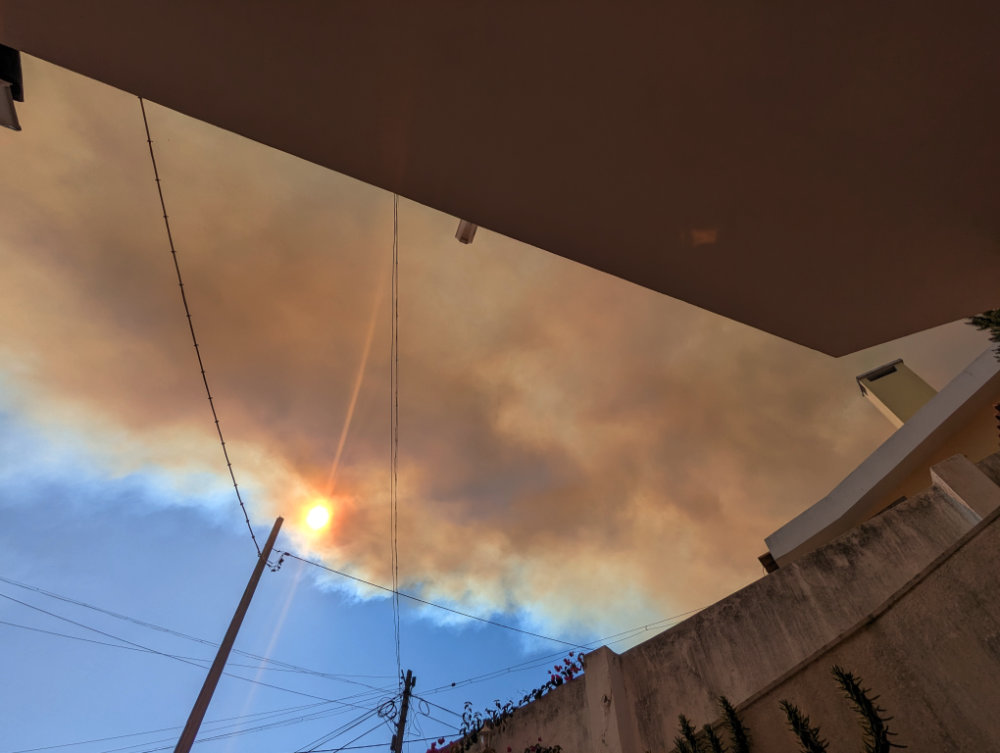
Fire is one of the oldest and most effective signaling tools. When you’re in a remote area, a large plume of smoke can be seen from miles away. Here’s how you can create a smoke signal:
- Step 1: Gather dry wood and leaves to start your fire, but you need to create as much smoke as possible. Use green leaves, wet grass, or moss to create thick smoke.
- Step 2: Build the fire in an open area with clear visibility. The more smoke you create, the more likely it is that your signal will be noticed.
- Step 3: Once the fire is going, periodically add more green vegetation to maintain the smoke signal. This can be especially effective when the sun is shining and the smoke is easily seen.
Signal fires are powerful because they work both during the day and night. At night, the fire’s glow can act as a beacon, while the smoke during the day is a great way to attract attention.
3. Making Noise: Sound Signals with Simple Tools
Sometimes, making noise can be just as effective as visual signals. Here are some simple noise-making techniques to alert rescuers:
- Step 1: Use a whistle, if available. Whistles are loud and can be heard from far away. If you don’t have one, any metal object can be used to bang on rocks or trees, creating a loud, sharp sound.
- Step 2: Shout in a rhythmic pattern: three short shouts followed by a long one. This is a universal distress signal that people are likely to recognize.
- Step 3: Use a handclap or bang large objects together, like two sticks, to create noise that will travel. Be persistent, as the noise may only reach rescuers if they are close by.
Noise is especially useful if you’re in a dense forest or an area where visibility is low. Just be sure to conserve your energy and only use these methods when necessary.
4. Creating a Ground Signal: Using Materials Around You
If you’re stuck in an area where there are no high vantage points, you can still signal by creating a large ground signal. Here’s how:
- Step 1: Look for open areas, clearings, or any large flat surfaces where you can work.
- Step 2: Use rocks, logs, or even your gear to create a large “HELP” or “SOS” sign. The larger and more visible the signal, the better.
- Step 3: If you have a bright-colored item, like a jacket, or any reflective material, place it near the signal to make it more visible from above.
Ground signals can be seen from the air or from a distance, making them a great way to catch the attention of passing aircraft or rescuers.
5. Using a Distress Flag or Fabric
Sometimes, a simple piece of fabric can save your life. A brightly colored flag or any piece of clothing can be a great signal. Here’s how to use fabric to signal for help:
- Step 1: Find a brightly colored piece of clothing, a shirt, or a piece of fabric. Red, orange, or bright yellow colors are ideal for visibility.
- Step 2: Attach the fabric to a stick, tree branch, or any high object to increase its visibility. If possible, position the flag in an open area.
- Step 3: If you can, wave the fabric or move it intermittently to attract attention. This can be seen from far away, especially if there are aircraft in the area.
A fabric distress signal is effective and easy to make with minimal resources. The key is to make it as visible as possible to increase your chances of being noticed.