




Your Next Move, Planned.

Jeremiah Johnson (1972): Key Survival Lessons for Preppers
Help Others Prepare
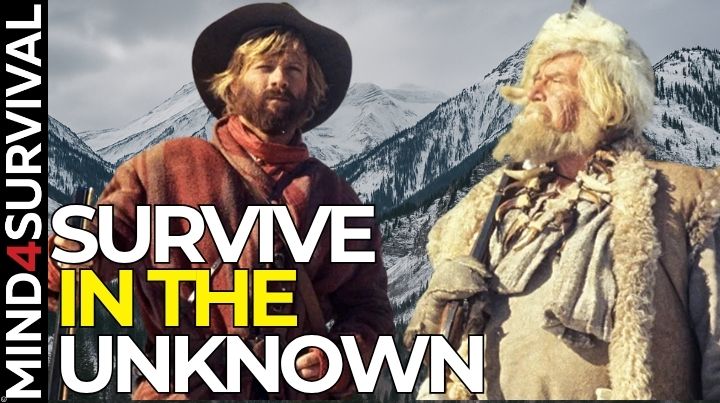
The Survival Movie Series kicks off with one of the most renowned films in the survival genre: Jeremiah Johnson. This captivating movie draws viewers in right from the opening moments, presenting visions of liberty and thrilling escapades, only to spend the subsequent two hours rigorously challenging its protagonist, Jeremiah Johnson, through a barrage of harsh realities: true survival in the wild is an extraordinarily demanding endeavor.
A Journey into the Untamed Wilderness
Picture a determined individual venturing into the rugged mountains with aspirations of living unbound by society’s constraints. He arrives without a detailed strategy, lacking comprehensive expertise in the necessary skills, armed merely with sheer willpower and a trusty rifle. Instead of the romanticized freedom he seeks, he encounters an unyielding sequence of trials and invaluable teachings-insights into navigating the terrain, enduring isolation, and comprehending the steep price of acquiring wisdom through painful experience.
For those who have ever fantasized about escaping to a remote location during a crisis or simply abandoning urban life for the call of the wild, this cinematic masterpiece delivers profound survival principles, all enveloped in the rugged essence of buckskin and pristine backcountry landscapes.

In the realm of contemporary preparedness, numerous individuals contemplate retreating to expansive national forests or isolated regions as part of their bug-out strategies. Within a comprehensive PACE framework-encompassing Primary, Alternate, Contingency, and Emergency options-such a move might become unavoidable under extreme circumstances. Nevertheless, for the vast majority, this scenario remains impractical and serves only as an absolute final measure. The reason is straightforward: most recognize that attempting to subsist solely off the land would likely prove fatal without proper preparation.
Realistic Portrayal of Wilderness Survival
Jeremiah Johnson (1972) vividly illustrates the authentic nature of existence in a world devoid of contemporary amenities. There are no digital devices to provide instant answers or guidance. Absent are online video guides or conveniently packaged, long-lasting food supplies. It boils down to the individual, the formidable wilderness, and the depth of knowledge or resilience they carry into the fray.
This film strips away illusions, demonstrating how even a man of considerable grit and determination can be repeatedly humbled by nature’s indifference. Johnson’s early exploits highlight the perils of overconfidence; he learns through bitter setbacks that the mountains demand respect, skill, and adaptability far beyond initial enthusiasm.
Personal Reflections on the Film’s Impact
This picture stands out as one of the earliest films that ignited my passion for the outdoors, making the idea of venturing into dense woodlands feel both exhilarating and genuinely attainable. The notion of ascending into the majestic Sierra Nevada Mountains and learning on the fly resonated deeply.
Beyond that, the movie’s deliberate, unhurried tempo and raw authenticity appeal to me greatly. It evokes a sense of nostalgia akin to the classic black-and-white westerns and detective series my 82-year-old father enjoys, transporting viewers to an era of straightforward challenges when the future seemed full of promise.
Jeremiah Johnson played a pivotal role in fostering my love for camping and wilderness activities. It influenced my positive experiences in the Boy Scouts and during my infantry service. Even today, it contributes to my satisfaction in residing amid forested surroundings.
Core Survival Lessons from Jeremiah Johnson
One of the film’s most compelling takeaways revolves around family protection and prioritizing loved ones above external pressures. A poignant scene depicts Johnson coerced by a missionary into leading soldiers across perilous terrain to aid stranded settlers, despite his warnings about the deadly winter conditions. The missionary’s disdain for Johnson’s Native American wife and adopted son is palpable, yet Johnson yields to the guilt trip.
Tragically, traversing sacred Native lands invites retribution. Upon his return, Johnson discovers his family slaughtered in reprisal. This devastating loss transforms him irrevocably, turning a kind-hearted man into a vengeful figure haunted by regret. The lesson is clear: extend help where possible, but never at the expense of your family’s safety. Kindness has limits when it endangers those closest to you.
– Adapted from insights shared by preparedness enthusiast Rick A.
Memorable Moments That Resonate
- The evocative opening sequence captures the spirit of youthful adventure as the protagonist steps into an untamed world, brimming with possibility yet fraught with unknown dangers.
- The encounter with Hatchet Jack, who becomes Johnson’s mentor and lifesaver, powerfully illustrates a universal truth: even the most independent souls require guidance and support during critical junctures.
These elements, among many others, embed essential mindset principles for preparedness throughout the narrative, encouraging viewers to reflect on their own resilience and decision-making.
Cast and Production Highlights
Robert Redford delivers a mesmerizing performance as Jeremiah Johnson. The ensemble includes standout roles by Will Geer as the wise Hatchet Jack, Stefan Gierasch as Del Gue, and Matt Clark as Qualen. The screenplay was co-authored by John Milius, known for Apocalypse Now. Director Sydney Pollack, who later earned an Academy Award, helmed the project, with Redford himself achieving Oscar recognition in his career.
Literary Inspirations and Historical Context
The film’s narrative draws loose inspiration from Vardis Fisher’s novel Mountain Man, blending historical elements with dramatic fiction. While not a strictly true story, it echoes legends of John “Liver-Eating” Johnston, a real frontiersman who survived into old age, passing away in 1900. The movie wisely avoids depicting his demise, focusing instead on the trials of his mountain man existence.
Filming Locations and Authenticity
Shot amid the breathtaking Wasatch Mountains in Utah, including iconic spots in Zion National Park and Ashley National Forest, the production captures the raw beauty and severity of the environment, enhancing the film’s immersive realism.
Iconic Firearm of the Era
Central to Johnson’s survival toolkit is the Hawken rifle, a .50 caliber muzzleloader revered by 19th-century mountain men for its dependability and power. This weapon symbolizes the era’s frontier technology, demanding skill in loading, firing, and maintaining it under harsh conditions.
Ratings and Critical Acclaim
Critics on Rotten Tomatoes awarded it a robust 91% score, with audiences close behind at 89%, reflecting its enduring appeal. On IMDb, it holds a solid 7.6 out of 10 rating, underscoring its status as a classic.
Why This Film Endures for Preppers
Jeremiah Johnson transcends typical western tropes, offering a sobering exploration of human limits against nature’s might. It challenges the romanticized notion of wilderness living, emphasizing the necessity of skills, mentorship, and strategic choices. For modern preppers, it serves as a stark reminder that bugging out demands more than determination-it requires knowledge, adaptability, and unyielding commitment to family security.
The film’s deliberate pacing allows viewers to absorb these lessons organically, mirroring the slow, methodical learning curve of real survival. Johnson’s evolution from naive adventurer to seasoned survivor encapsulates the prepper journey: growth through adversity, respect for the environment, and the wisdom to know when to stand firm or seek aid.
Applying Lessons to Your Preparedness Plan
Incorporate these insights into your PACE planning by prioritizing skill-building in navigation, foraging, and shelter construction. Simulate Johnson’s trials through wilderness training or local camping excursions. Remember, solitude amplifies challenges-cultivate a network of trusted allies beforehand.
Reflect on scenarios where external pressures might tempt you to compromise safety. Practice saying no to unreasonable demands, safeguarding your primary responsibilities: your loved ones and your survival.
Engage with the Preparedness Community
Host a viewing session of Jeremiah Johnson with fellow preppers, analyzing it through the lens of real-world readiness. Share your takeaways-whether a single observation or a detailed analysis-to enrich collective knowledge and strengthen communal resilience.