



Your Next Move, Planned.

Mastering Fire in the Wilderness
Help Others Prepare
In any survival situation, fire is one of the most important resources you can have. Not only does it provide warmth and light, but it also helps to purify water, cook food, and even signal for help. But how do you start a fire when you’re in the wilderness, away from modern conveniences? In this post, we’ll explore the best fire-starting techniques that can save your life in an emergency.
Why Fire is Crucial for Survival
Before we dive into the fire-making techniques, let’s talk about why fire is essential in a survival situation:
- Heat: Fire is your first defense against hypothermia. In cold conditions, keeping warm is a matter of life or death.
- Cooking: It’s essential for preparing food, especially if you need to purify water or cook meat.
- Protection: A fire helps keep wild animals at bay and can provide light in dark environments.
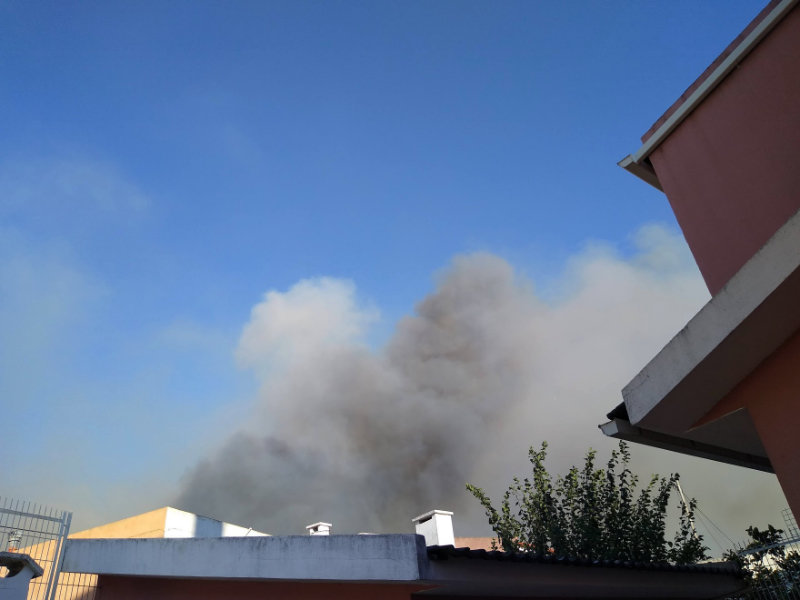
- Signaling: In case you’re lost, a fire can act as a signal to rescuers.
Essential Fire-Making Techniques
Starting a fire in the wilderness is more difficult than striking a match. You need to be prepared and resourceful. Here are some of the most effective fire-making techniques:
1. Using a Ferro Rod (Firesteel)
The ferro rod, or firesteel, is one of the most reliable fire-starting tools you can have. When struck, it creates a shower of sparks that can easily ignite tinder.
- Step 1: Gather dry tinder, such as dry grass, leaves, or cotton balls.
- Step 2: Hold the ferro rod and striker at a 45-degree angle.
- Step 3: Strike the rod with the striker to create sparks, aiming for the tinder.
- Step 4: Gently blow on the tinder to help the fire grow.
Practice this technique before your trip so you’re comfortable with it when you need it most.
2. Bow Drill Method
The bow drill is an ancient and challenging technique, but it’s highly effective when done correctly. This method uses friction to create heat and produce an ember that can be transferred to your tinder.
- Step 1: Create a spindle and a fireboard from dry wood.
- Step 2: Attach a piece of cord (the “bow”) to the spindle.
- Step 3: Apply pressure to the spindle while moving it back and forth with the bow to create friction and heat.
- Step 4: Once the ember is created, place it onto your tinder and gently blow to start the fire.
This technique requires practice, so be patient and start practicing before you need it in the wild.
3. Using a Magnesium Fire Starter
The magnesium fire starter is another popular tool for starting fires in the wilderness. It works by shaving off magnesium shavings and igniting them with sparks from a ferro rod.
- Step 1: Scrape off some magnesium from the fire starter block onto your tinder.
- Step 2: Strike the ferro rod to create sparks that will ignite the magnesium.
- Step 3: As the magnesium burns, it will ignite the tinder and start the fire.
This method is highly effective and is often used by survival experts and campers alike.
4. Fire with a Lighter (When Available)
While this may seem like the easiest method, it’s important to remember that a lighter can run out of fuel. If you have one, however, it’s a quick and easy way to start a fire.
- Step 1: Use dry tinder to catch the flame from the lighter.
- Step 2: Shield the flame from the wind to prevent it from blowing out.
- Step 3: Once the fire catches, add kindling and larger wood to keep it burning.
Keep your lighter in a waterproof container to prevent it from getting wet in rainy conditions.
Choosing the Right Tinder, Kindling, and Firewood
The success of your fire-making depends not just on the technique, but also on the materials you use. Here’s how to choose the right fuel for your fire:
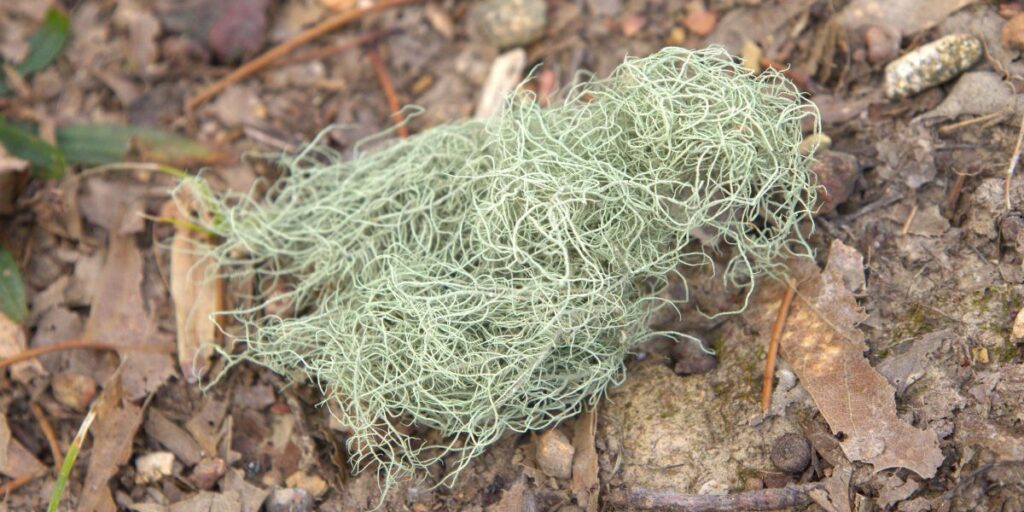
- Tinder: Use dry grass, pine needles, leaves, or even cotton balls soaked in petroleum jelly for the easiest ignition.
- Kindling: Small twigs or sticks (around pencil size) will help your fire grow once the tinder is burning.
- Firewood: Larger pieces of wood (about wrist size or larger) are needed to maintain the fire once it’s going.
Always collect more wood than you think you’ll need, especially if you’re in a damp environment where wood might be harder to find..