


Newsletter Subscribe

Enter your email address below and subscribe to our newsletter

How to Protect Yourself from Wild Animals

Encounters with wild animals in the wilderness can be one of the most dangerous aspects of outdoor survival. Whether you’re hiking, camping, or exploring remote areas, understanding how to stay safe from wild animals is crucial. In this guide, we’ll cover strategies to avoid dangerous encounters, as well as what to do if you find yourself face-to-face with an aggressive animal.

Why Knowing Animal Behavior is Crucial for Survival

Different animals pose different levels of threat depending on their size, behavior, and environment. In the wild, it’s important to recognize the warning signs and know how to act to avoid an attack. While many animals will flee from humans, others may act defensively if they feel threatened or cornered.

Knowing animal behavior can help you avoid dangerous situations and increase your chances of surviving an encounter with wildlife.

1. Avoiding Dangerous Animals in the First Place

The best way to stay safe is to prevent encounters with dangerous animals. Here are some simple strategies to reduce the risk of encountering wildlife:

  • Make Noise: Many animals, like bears and mountain lions, will avoid humans if they hear them coming. Make noise by talking, clapping, or using a whistle when you’re moving through dense vegetation or areas where animals are likely to be.
  • Stay in Groups: Animals are less likely to approach larger groups. If you’re hiking or camping, always travel with a group of people.
  • Keep Food Secure: Never leave food unattended or store it in your tent. Use bear-proof containers or hang food from a tree away from your campsite. Food odors can attract animals like bears and raccoons.
  • Be Aware of the Time of Day: Some animals are more active at dawn and dusk. Try to avoid hiking or moving through areas during these times, especially in areas where large predators like mountain lions or wolves are present.

2. How to React If You Encounter a Wild Animal

If you do encounter a wild animal, how you react can make all the difference. Here’s what you should do depending on the type of animal:

Bear Encounter

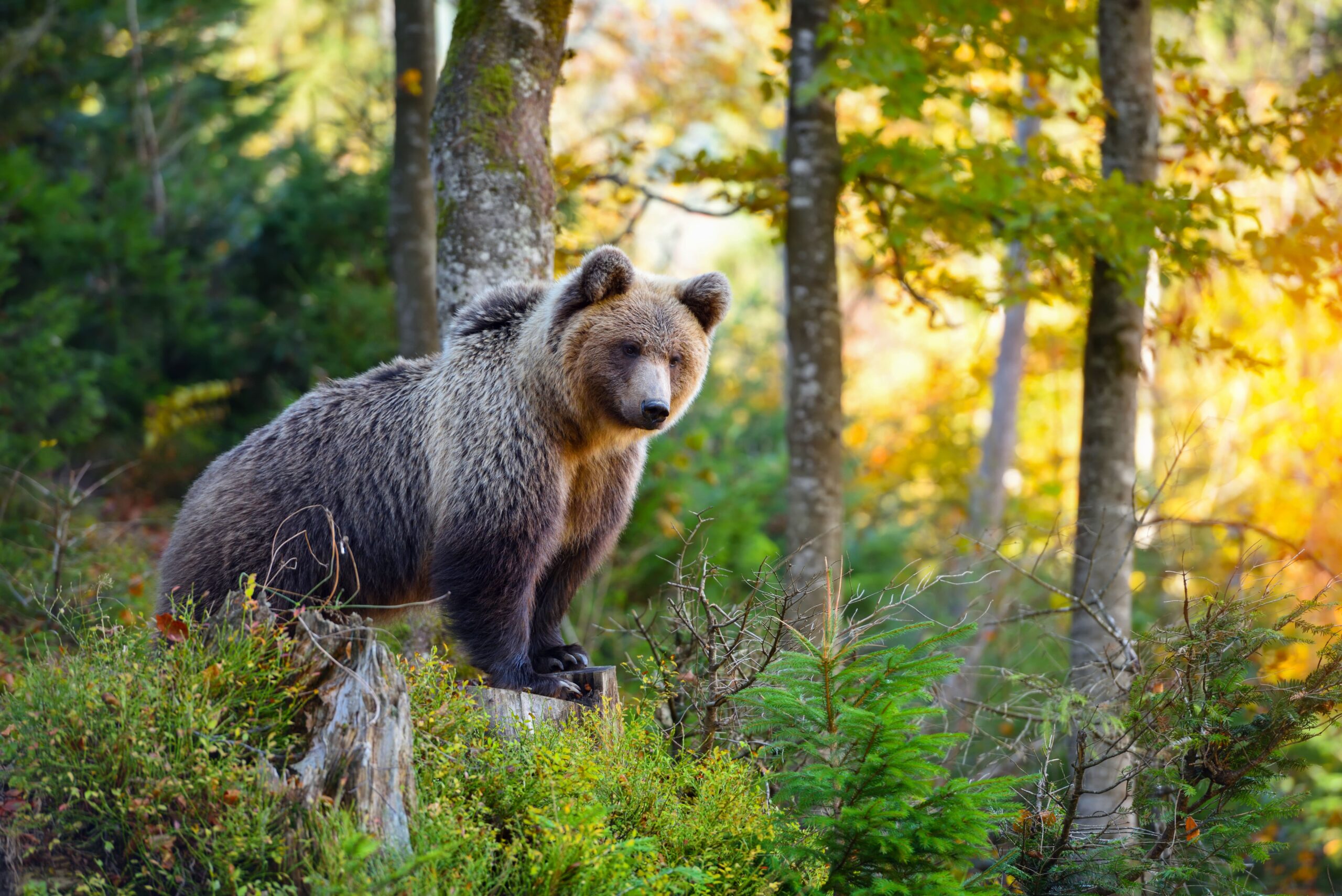
Bears are one of the most dangerous animals you may encounter in the wild. Here’s how to react if you come across one:

  • Stay calm and don’t run: Running may trigger the bear’s chase instinct. Instead, try to slowly back away while facing the bear.
  • Make yourself appear larger: If the bear is approaching, raise your arms or hold a jacket above your head to appear larger and more intimidating.
  • Use bear spray: If the bear approaches too closely, use bear spray to deter it. This can help create a barrier between you and the bear.

Mountain Lion Encounter

Mountain lions are stealthy predators that may approach without warning. If you encounter one:

  • Make yourself look larger: Stand tall, raise your arms, and make noise to intimidate the mountain lion.
  • Do not turn your back: Always face the mountain lion and make sure to maintain eye contact. Do not run, as this could trigger a predatory chase response.
  • Fight back if attacked: If a mountain lion attacks, fight back using anything you have—sticks, rocks, or your fists. Aim for the eyes and face.

Snake Encounter

Snakes can be difficult to spot, and stepping too close may trigger a defensive strike. To avoid getting bitten:

  • Watch where you step: Look carefully at your surroundings, especially in tall grass or rocky areas.
  • Stay still if you see a snake: If you come across a snake, remain still and give it space to slither away.
  • Be cautious when reaching into crevices: Snakes often hide in tight, sheltered spots. Always check before reaching into rocks, logs, or burrows.

3. Understanding Animal Tracks and Signs

Learning to identify animal tracks and other signs of wildlife can help you stay alert and avoid encounters. Here are some common tracks and signs to look for:

  • Footprints: Tracks in the dirt or snow can tell you which animals are in the area and which direction they’re moving. Larger tracks may indicate the presence of predators like bears or wolves.
  • Scat (Animal Droppings): Animal droppings can help you identify which species are in the area. Predators like mountain lions or wolves will leave larger, more fibrous scat.
  • Rubbing and Scratching Marks: Bears, deer, and other animals may leave rubbing marks on trees or logs. These can give you clues about their presence and habits.

4. Building Defenses Against Wild Animals

If you’re staying in the wilderness for an extended period, building defenses around your camp can help keep animals at bay. Here are some simple defenses you can use:


  • Construct a Barrier: Build a simple barrier using logs or rocks around your campsite to keep animals away. While not foolproof, it can help deter smaller animals like raccoons or foxes.
  • Elevate Your Food and Gear: Hang food in a tree or place it on a high platform to keep it out of reach from bears and other wildlife.
  • Keep a Fire Going: A fire is not only useful for warmth and cooking but also acts as a deterrent for animals. Keep the fire going at night to maintain safety.
Share your love
Rafael Mende
Rafael Mende

I grew up hiking the Appalachian backcountry with my grandfather, who taught me that the best survival tool is the one between your ears. After fifteen years leading wilderness education programs and working as a search-and-rescue volunteer, I write to translate field experience into repeatable skills anyone can learn. My approach is simple: practice beats theory, every time. When I'm not testing a fire lay or refining a route plan, I'm usually over-engineering my camp coffee setup.

Articles: 19

Stay informed and not overwhelmed, subscribe now!