





Your Next Move, Planned.

Freeze-Dried vs Dehydrated Food: 2026 Guide
Help Others Prepare
Main Differences Between Freeze-Dried and Dehydrated Foods
When preparing for extended emergencies or ensuring long-term food security, two prominent preservation techniques stand out: freeze-drying and dehydration. These methods both aim to extend the usability of food by eliminating moisture, yet they differ significantly in their approaches and outcomes. Understanding these distinctions is essential for making informed choices about which method best suits your needs. In this detailed comparison, we will explore key aspects such as flavor profiles, nutritional retention, storage longevity, and overall expenses to determine the optimal option for your pantry stockpiles.
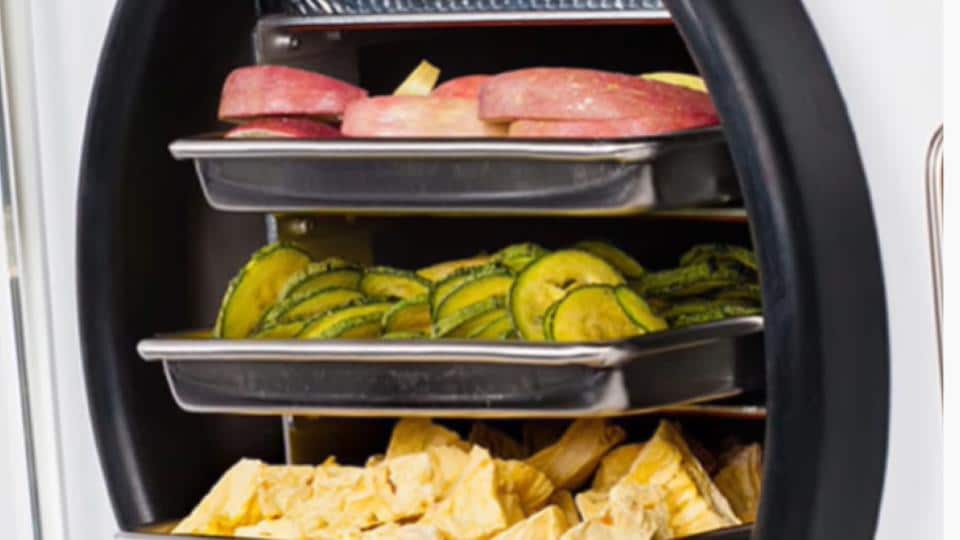
Freeze-drying employs a sophisticated system involving extreme cold, vacuum conditions, and controlled heating stages, while dehydration relies on warm air circulation driven by heating coils, fans, and ventilation systems. The result of freeze-drying is food with as little as 1% residual moisture from its original state, dramatically reducing the risk of bacterial growth. Dehydrated products, by comparison, typically retain 5-10% moisture, which is still effective but less thorough. Flavor in freeze-dried items remains vibrant and true to the source material, whereas dehydration often leads to a noticeable diminution in taste quality. Nutritionally, freeze-dried foods preserve up to 97% of vital vitamins, minerals, and enzymes, far surpassing the 60% retention seen in dehydrated counterparts. Visually and tactilely, freeze-dried foods maintain their original shape, size, and a light, crisp texture, avoiding the shrinkage and toughness common in dehydrated versions. Shelf stability is another clear differentiator, with freeze-dried goods enduring up to 25 years under proper conditions, compared to just five years for dehydrated ones. Finally, the upfront and ongoing costs for freeze-drying are considerably higher than those for dehydration.
The Preservation Processes Explained
A fundamental distinction between these methods lies in their preparation procedures, both centered on moisture extraction but executed in vastly different ways. Freeze-drying, scientifically termed lyophilization, unfolds in three precise phases: initial freezing, primary drying through sublimation, and secondary drying via desorption. This technique dates back to 1906, pioneered by French scientist Jacques-Arsene d’Arsonval. The process begins by rapidly chilling the food to approximately -40 degrees Fahrenheit, a speed that inhibits large ice crystal formation and protects cellular integrity.
Following solidification, the primary drying stage involves sealing the food in a chamber, evacuating the air to create a vacuum, and gently applying heat under low pressure. This causes the ice to transition directly from solid to vapor-a process called sublimation-potentially spanning several days and reducing moisture to about 5%. The secondary drying phase then targets bound water molecules, reheating under vacuum to achieve a mere 1% moisture level, ensuring exceptional preservation.
Dehydration, conversely, operates through mechanical simplicity: heating elements raise the internal temperature of a dehydrator unit, while fans and vents promote uniform airflow to evaporate water from the food’s surface and interior. This convective drying method efficiently removes 90-95% of moisture but exposes the product to sustained heat, which can alter its qualities. The contrast in moisture removal efficiency-99% for freeze-drying versus 90-95% for dehydration-underpins many subsequent differences in quality and durability.
Flavor Profiles Compared
Taste is a critical factor in food storage decisions, and here freeze-drying excels by concentrating natural flavors through near-total water removal. Items like pineapples, strawberries, or bell peppers emerge with intensified, fresh-like taste profiles that closely mimic their fresh counterparts. The absence of high heat in the process safeguards volatile compounds responsible for aroma and flavor.
Dehydrated foods, however, frequently suffer flavor degradation due to prolonged thermal exposure, resulting in a muted or altered taste that deviates from the original. That said, certain fruits such as apples, pears, and bananas can develop a delightful, candy-like sweetness as sugars caramelize on the surface. Optimal choices for dehydration include these fruits, while freeze-drying shines with stone fruits like plums, apricots, and peaches, where texture and flavor preservation is paramount. Ultimately, personal preference and intended use will influence which method delivers the most satisfying sensory experience.
Nutritional Retention Analysis
For those prioritizing health in their emergency rations, nutrient preservation is paramount. Freeze-dried foods stand out as superior, retaining up to 97% of their original vitamins, minerals, antioxidants, and other bioactive components because the process solely targets water without heat-induced breakdown. This makes them an ideal choice for maintaining dietary balance during prolonged self-reliance scenarios.
Dehydration, reliant on heat, accelerates the degradation of heat-sensitive nutrients like vitamin C, certain B vitamins, and enzymes, leading to losses of up to 40%. While still nutritious, especially for hardy vegetables and fruits, the overall profile is less robust. When planning outdoor or survival meals, opting for freeze-dried options ensures you’re getting the maximum health benefits from your stored provisions.
Appearance and Texture Variations
The preservation techniques directly impact how foods look and feel upon rehydration or consumption. Freeze-drying’s low-temperature, vacuum-based approach is inherently gentle, preserving the food’s original size, shape, color, and structure. The end product is typically lightweight, porous, and crisps delightfully when eaten dry, rehydrating swiftly to nearly original form.
Dehydration’s heat application causes cellular contraction and moisture loss from within, leading to significant shrinking, wrinkling, and a leathery consistency that can be challenging to chew. Extended drying times exacerbate these changes, altering not just aesthetics but also mouthfeel. These textural shifts make freeze-dried foods more versatile for diverse applications, from snacks to full meals.
Shelf Life and Storage Considerations
Longevity is a cornerstone of effective food storage, and freeze-dried products dominate with a potential shelf life of 25 years or more. Their ultra-low moisture content starves microbes, yeasts, and molds, minimizing spoilage risks when sealed properly. Dehydrated foods, with higher residual moisture, average five years of viability, sufficient for medium-term needs but less ideal for decades-long preparedness.
Regardless of method, maximizing shelf life demands airtight packaging, such as Mylar bags with oxygen absorbers, stored in cool, dark, stable environments. Avoid fluctuations in temperature, humidity, or light exposure, as these accelerate deterioration. Proper practices ensure both types deliver reliable nutrition when needed most.
Cost Breakdown and Investment
Budget plays a pivotal role in selection, with freeze-dried foods commanding premium prices due to the labor-intensive, equipment-heavy process requiring 20-40 hours per batch. Home freeze dryers start around $2,700, reflecting their advanced capabilities. Dehydrated options are far more accessible, with units available from $250 and processing times ranging from 1-36 hours, making it budget-friendly for beginners.
Commercial freeze-dried products also cost more per pound, but bulk purchasing or home production can offset expenses over time, especially given superior quality and longevity. Weigh your financial constraints against usage frequency and storage goals to decide.
Freeze-Dried vs Dehydrated: Determining the Superior Choice
In a head-to-head evaluation, freeze-drying emerges as the clear frontrunner for comprehensive food preservation. Despite higher costs and longer processing times, its benefits-superior flavor retention, maximal nutrition, authentic texture and appearance, and unmatched shelf life-make it invaluable for serious preppers. Dehydration remains a practical, economical alternative for shorter-term storage or casual use, but for ultimate reliability in uncertain times, investing in freeze-drying technology and products is the strategic move forward.