


Your Next Move, Planned.

Forest Fire Strikes Again: My Calm Amid the Flames
Help Others Prepare
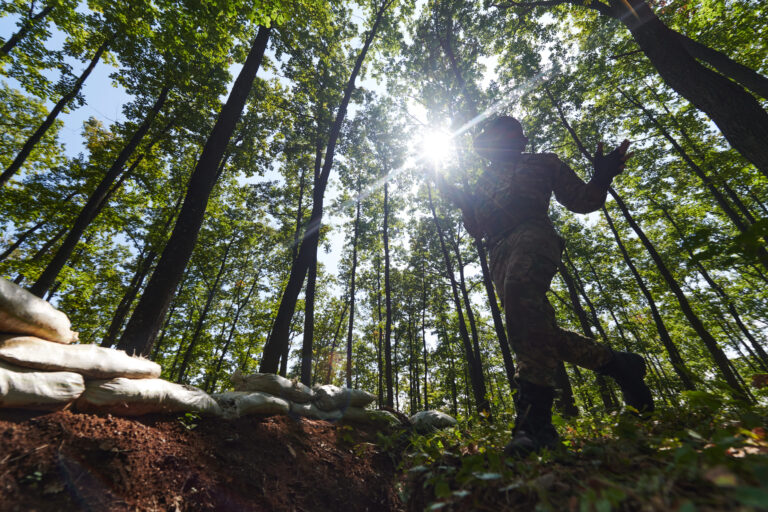
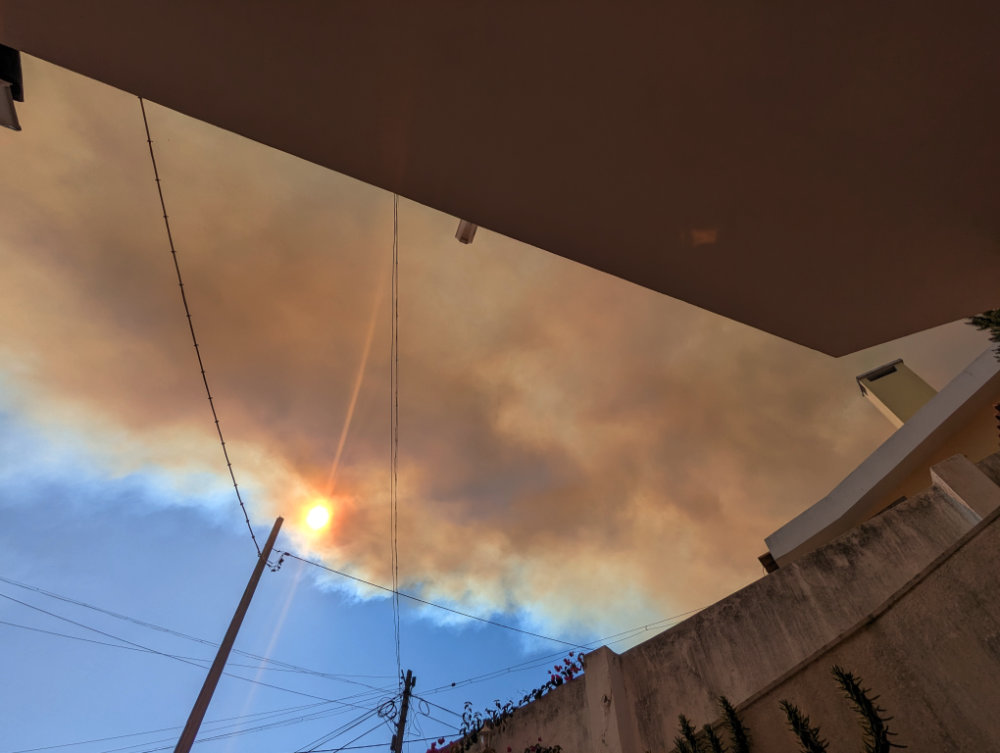
In July, another forest fire ignited directly behind my residence, marking a repeat of the intense event from the previous year. Drawing from that prior ordeal, I executed my standard preparations methodically-gathering essentials, securing the property, and monitoring the situation closely. Yet, as I captured photographs of the encroaching blaze and evaluated my evacuation options and personal risks, a stark realization hit me: my entire response had become purely procedural, almost automatic.
Embracing Procedural Calm in the Face of Danger
This mindset echoed what I term ‘Standard Operating Apathy,’ a state of emotional detachment similar to how some approach looming threats like pandemics or supply shortages. I noticed my own near-indifference to the possibility of trauma or disaster impacting me or my loved ones, treating it more as a routine than a crisis.
This detachment prompted deeper reflection on how individuals in regions prone to wild natural disasters-think relentless hurricanes battering coastal areas-manage to remain remarkably composed despite repeated devastation. I frequently ponder the motivations behind choosing to reside in such unforgiving environments. Ironically, as the flames devoured the landscape nearby, my partner and I stood observing, puffing on cigars, and casually debating whether pasta would make a better dinner than barbecuing, given the swirling ash making outdoor cooking unappealing.

Human beings, under prolonged extreme conditions-even when the danger looms at a distance-simply cannot maintain heightened adrenaline levels indefinitely. Our physiology rebels against constant panic; we cannot perpetually suppress fear or scramble to neutralize every threat without burnout.
Reflecting on our first encounter with a forest fire in 2020, I recalled how our neighbors displayed only mild concern at what I perceived as an immediate, palpable hazard. The fire’s rapid advance had seemed overwhelming back then.
By contrast, in 2023, my reaction was utterly transformed. Spotting firefighting aircraft on the horizon and hearing neighborhood sirens wail, I simply observed with a detached sense of curiosity, no overthinking involved.
Past Emergencies and the Power of Preparedness
This evolving apathetic yet controlled response led me to examine my history with various emergencies. Familiarity with potential outcomes has significantly curtailed any real panic. What follows is a detailed rundown of key incidents I’ve navigated, each reinforcing the value of prior planning:
- Power Outage During a Harsh Canadian Winter: While this scenario posed theoretical dangers-and indeed, many vulnerable elderly individuals succumbed to the cold-my partner and I remained unfazed. Our off-grid heating systems kept us comfortable, turning the blackout into an impromptu vacation filled with relaxation.
- First Forest Fire Encounter: Initial mild anxiety stemmed from the fire’s swift progression, recognizing we couldn’t outpace it if needed. However, confidence surged knowing our cat evacuation carriers, bug-out bags, vital paperwork, and identification documents were all prepped and accessible. We stayed vigilant but stayed calm.
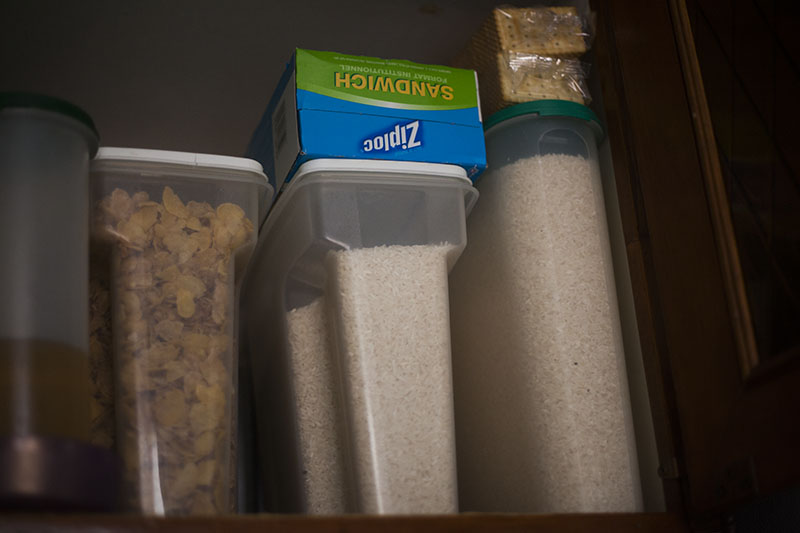
- The COVID-19 Pandemic: Early worries centered on rapid global spread, particularly after witnessing high fatalities in places like Italy. Fortunately, we were already positioned well for lockdown life. We proactively bolstered our stockpiles and medical supplies, then observed the unfolding chaos with disbelief at widespread mismanagement and poor decisions by others.
- Second Forest Fire (This Year’s Event): Zero panic ensued. We maintained complete indifference, aside from routine monitoring of the fire’s progression and lighthearted discussions about evening meals.
While apathy can indeed prove dangerous if it leads to negligence, achieving a balanced understanding of threats-coupled with proactive mitigation measures minus the frenzy-represents genuine advancement in resilience. This measured approach is an ongoing goal I actively pursue in my preparedness journey.
These reflections offer valuable insights: How have your own emergency experiences shaped your responses? What lessons have you gleaned from facing real-world crises?