Featured Content

Enter your email address below and subscribe to our newsletter

Your Next Move, Planned.
In a survival situation, water is more important than food. A human can survive weeks without food, but only a few days without water. Knowing how to find water in the wild can be the key to surviving an emergency situation. In this guide, we’ll cover the best methods to locate and purify water when you’re stranded outdoors.
Your body needs water to survive. It regulates temperature, removes waste, and keeps your organs functioning properly. In a survival situation, staying hydrated is crucial to maintaining energy and mental clarity.
Without access to fresh, clean water, your chances of survival are dramatically reduced. Learning how to find and purify water should be at the top of your survival priorities.
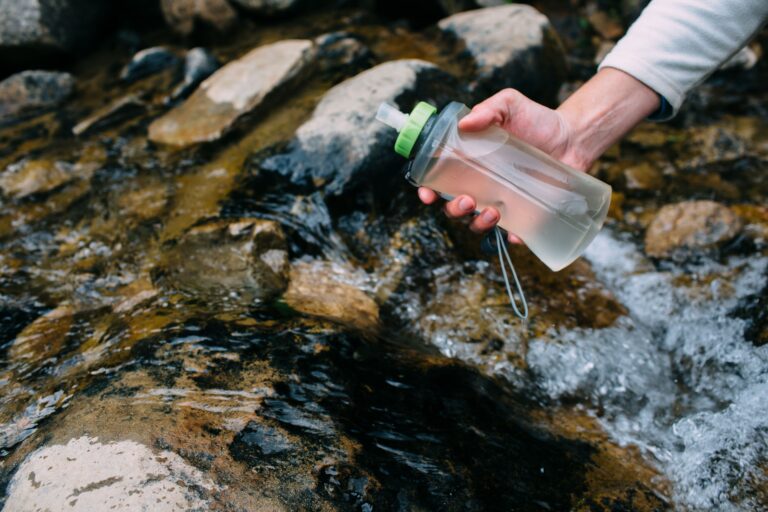
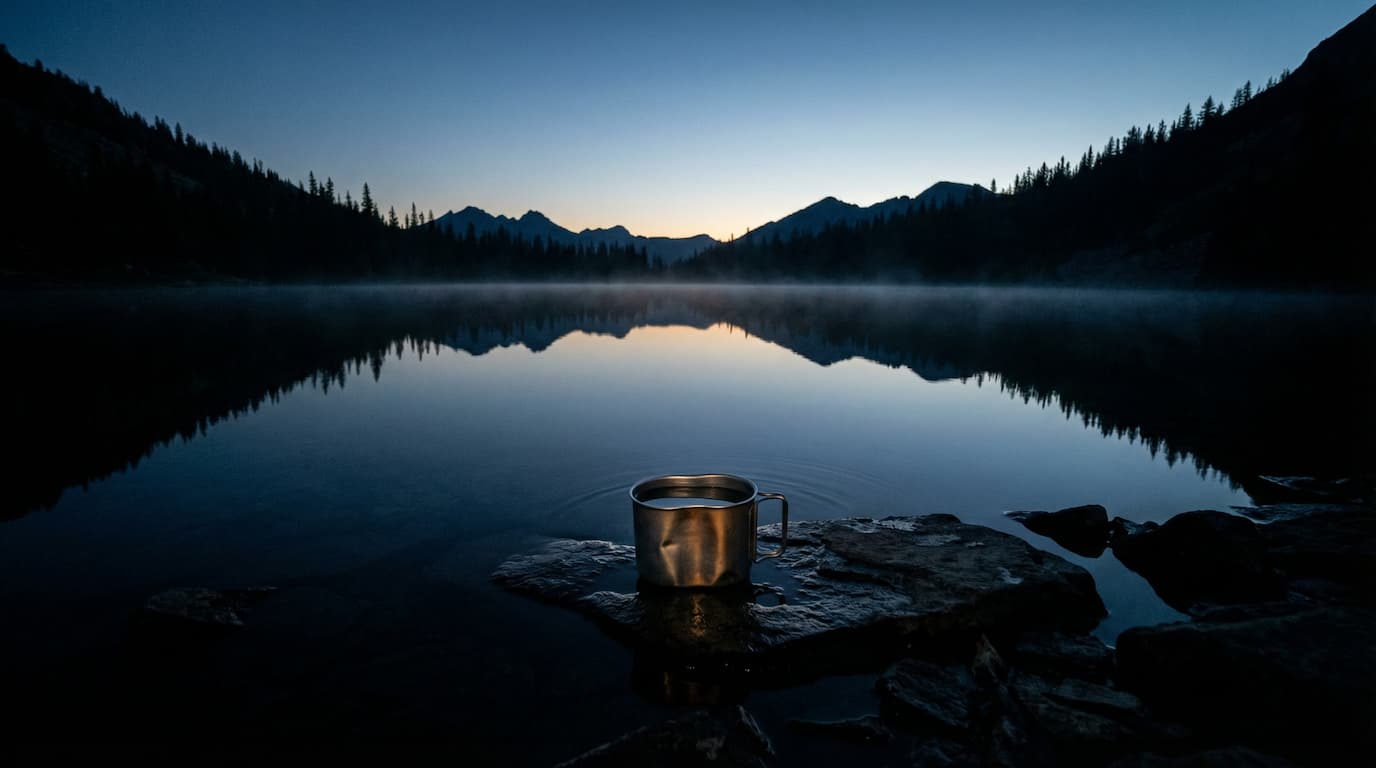
The first step in finding water is to locate natural water sources. Here are the most common places to look for:
If you can’t find a visible water source, the next best thing is to look for signs in the environment. Plants and trees often point to the presence of water.
If you can’t find a stream or lake, you can try digging for water. This method is useful if you’re in a dry area with little surface water. Look for signs of moisture in the soil, like wet sand or damp earth, and dig about 3-4 feet deep.
Sometimes, groundwater may be present just below the surface. If the water is muddy, let it settle or filter it before drinking.
Even if you find water, it’s important to purify it to avoid waterborne diseases. Here are some methods to make water safe to drink:
While lakes, ponds, and other stagnant water sources may seem like a quick fix, they are often filled with bacteria and other contaminants. Always try to find flowing water or collect rainwater. If you must drink from a stagnant source, make sure to purify it thoroughly.