



Your Next Move, Planned.

Find Your Way in the Wild
Help Others Prepare
Why Knowing How to Navigate Without a Compass is Important
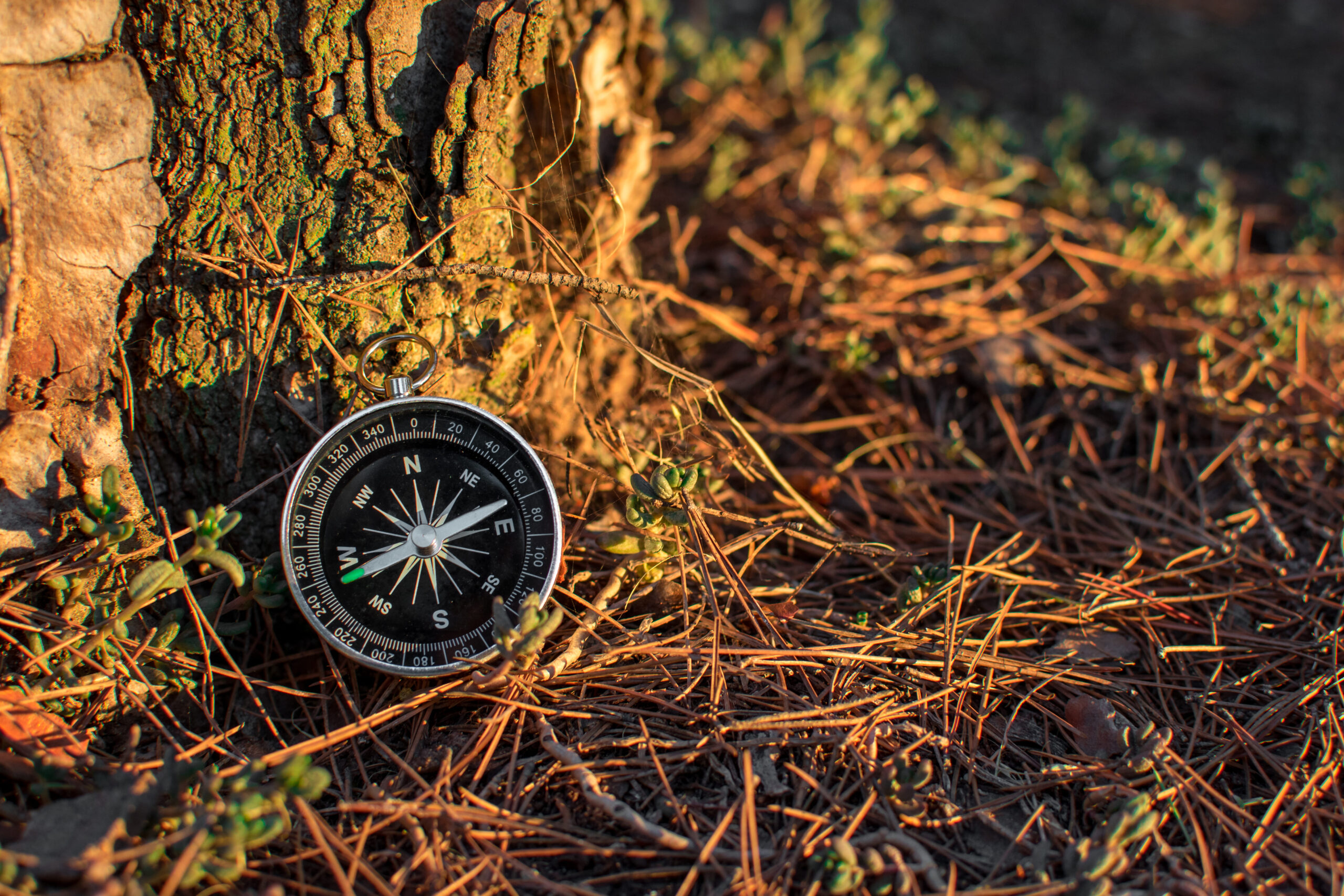
While a compass is a great tool for navigation, it’s not always available when you need it most. Whether your compass breaks, gets lost, or you simply don’t have one, being able to navigate using the natural environment is a skill that every adventurer and survivalist should master. By using the sun, stars, and natural landmarks, you can orient yourself and find your way even in the most remote areas.
1. Using the Sun to Find Direction
The sun is one of the easiest ways to orient yourself during the day. Here’s how you can use it to find your bearings:
- Finding East and West: The sun rises in the east and sets in the west. By observing the position of the sun throughout the day, you can estimate where east and west are located.
- Using Shadows: One of the simplest ways to find direction is to use the shadow of an object. Place a stick vertically into the ground, and mark the tip of its shadow. Wait 15-20 minutes, and mark the shadow again. The first shadow mark indicates the west, and the second one shows the east.
Using the sun is especially useful when you’re traveling in the morning or late afternoon, as the sun’s position is less likely to be obstructed by clouds.
2. Using the Stars for Night Navigation
At night, when the sun is gone, the stars become your guiding lights. Here’s how you can use them to navigate:
- The North Star (Polaris): If you’re in the Northern Hemisphere, the North Star is your most reliable point of reference. It is always located almost directly above the North Pole. To find it, locate the Big Dipper constellation, and use the two outer stars of its “bowl” to point directly to Polaris.
- The Southern Cross: In the Southern Hemisphere, the Southern Cross constellation helps you find south. Draw an imaginary line through the long axis of the cross and extend it downward to locate the southern direction.
Using the stars for navigation can help you maintain your sense of direction throughout the night, especially if you’re in an open area where the sky is clear.
3. Using Natural Landmarks to Find Your Way
Nature can provide several clues to help you find your way. By observing your surroundings, you can use natural landmarks to stay oriented:
- Tree Growth Patterns: In many areas, trees tend to grow denser on the side that faces the sun, typically the southern side in the Northern Hemisphere. Look for moss, which often grows on the north side of trees in northern regions.
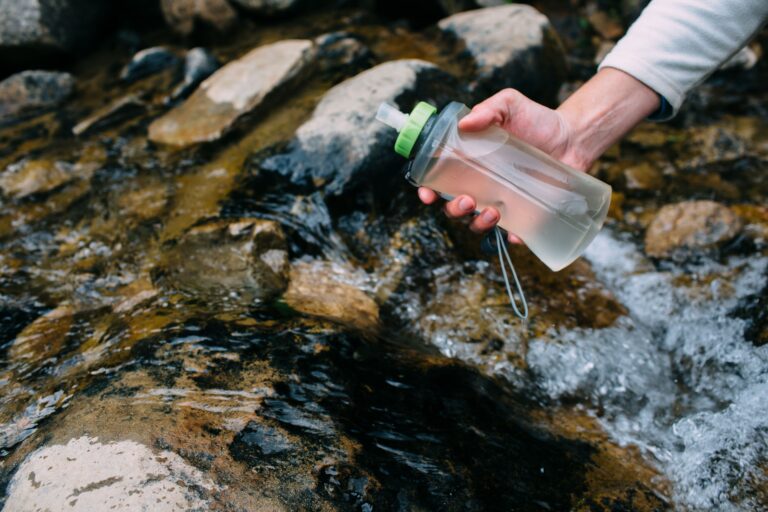
- Water Flow: Rivers and streams typically flow downhill, and their direction can help you find your way. If you know the general direction of a river or stream, you can follow it to find civilization or other known landmarks.
- Mountain Ranges: If you’re in a mountainous area, the shape and direction of mountain ranges can also help you navigate. Large mountain ranges often have predictable patterns, and recognizing them can help you find your location on a map if you have one.
4. Using the Wind to Determine Direction
The wind is another natural indicator that can help you with navigation. Here’s how to use it:
- Wind Patterns: In many areas, wind patterns are predictable. For example, coastal areas often have winds coming from the ocean in the morning and from the land in the afternoon.
- Wind and Animal Behavior: Animals tend to follow natural wind patterns, and observing their movement can give you insight into the direction the wind is blowing.
While wind isn’t as reliable as the sun or stars, it can still provide valuable clues to help you orient yourself and stay on track.
5. Using a Map and Basic Tools
If you have a map, you can use it to orient yourself by finding landmarks. Combine it with the information you’ve gathered from the sun, stars, and natural surroundings to plot a course. A whistle, flare, or mirror can also help signal for help if you’re lost.
Remember, if you’re not sure where you are, stop and reassess. It’s easy to get lost by wandering without a plan. Stay put, use the techniques above, and wait for a better opportunity to find your bearings.