





Your Next Move, Planned.

Essential Nuclear Emergency Prep: Survival Guide
Help Others Prepare
How to Survive a Nuclear Emergency
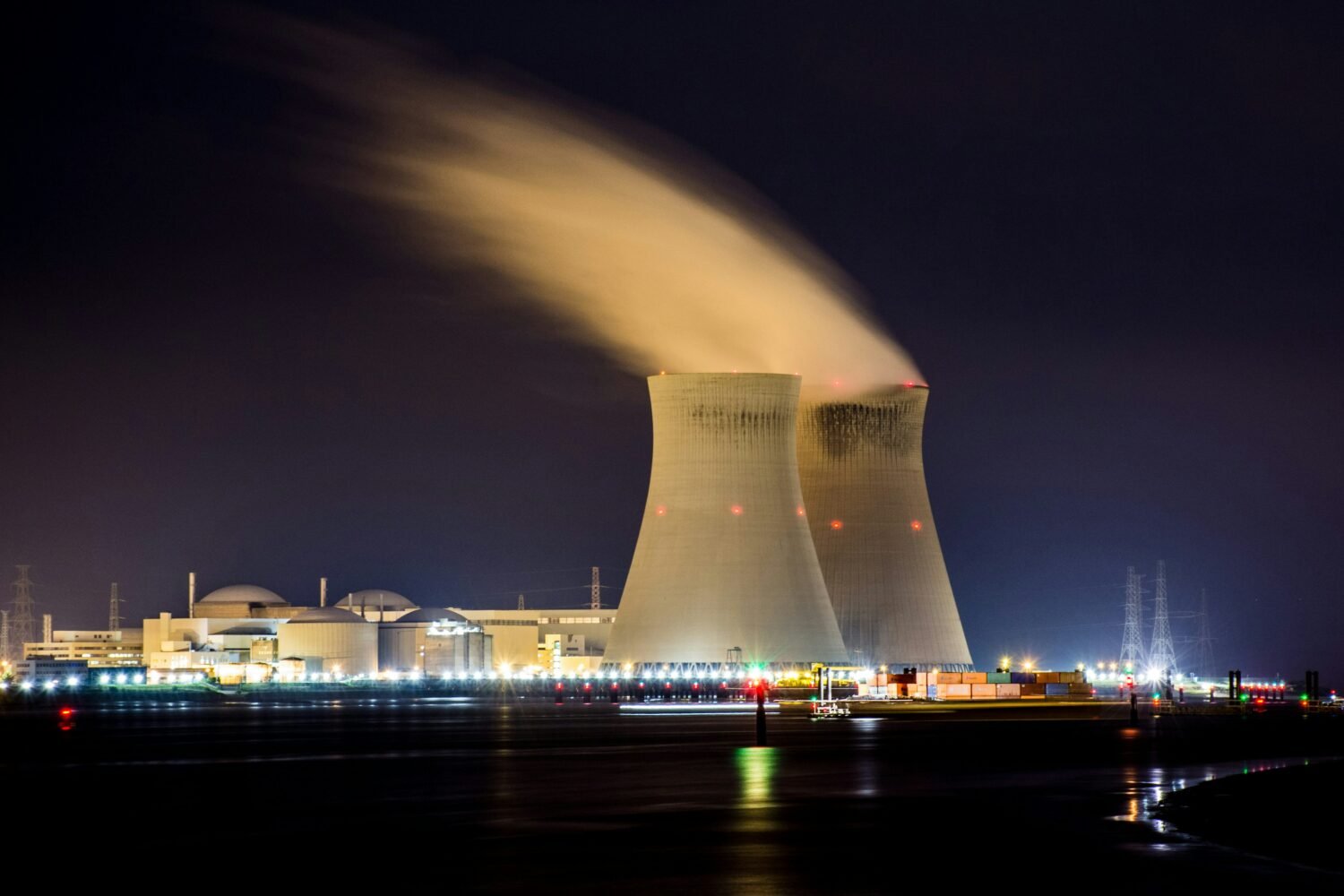
A nuclear catastrophe might arise from various sources, including a malfunction or deliberate sabotage at a nuclear power facility, deployment of a compact portable nuclear device, or an extensive nuclear assault. Although these events rank lower on the scale of probable disasters compared to others, it remains crucial to understand their nature, implement appropriate preparations, and master the survival protocols. This comprehensive guide outlines effective strategies to ready yourself for such a grave nuclear crisis.

Historically, preparing for nuclear threats has not been a high priority for many individuals, including myself. The mere consideration of acquiring protective gear like gas masks often seemed excessive, evoking images of extreme survivalists fixated on apocalyptic events. One might question the realistic probability of encountering such a scenario.
Nevertheless, the likelihood of nuclear incidents, while still relatively uncommon, has noticeably increased in recent times due to evolving international dynamics. The ongoing conflict initiated by Putin in Ukraine has dramatically altered global power structures in a matter of days. Traditional mechanisms of international restraint and equilibrium are no longer as reliable or predictable as they once appeared. Furthermore, opportunities for acquiring components needed to construct a radiological dispersal device, commonly known as a dirty bomb, have proliferated amid shifting and fracturing worldwide partnerships.
Notably, the prospect of a nuclear detonation tops the list of potential crises outlined in the National Planning Scenarios, a key framework established by the United States Department of Homeland Security back in 2006. It also features prominently among the most dreaded contingencies identified by emergency management experts. Therefore, despite the slim probabilities, recent developments have elevated both the risks and the imperative for proactive measures. Let us delve into practical ways to enhance readiness for the diverse manifestations of a nuclear crisis.
Key Strategies for Surviving a Nuclear Incident
1. Develop a Comprehensive Plan Ahead of Time
It is impossible to foresee the exact location where one might find themselves during a sudden catastrophic occurrence, and constant apprehension is neither practical nor healthy. That said, identifying secure locations within your habitual environments-particularly those near your residence-enables swifter responses upon witnessing the characteristic intense flash. In these critical moments, every second counts, and a pre-established plan eliminates hesitation, empowering immediate and decisive action amid chaos.
2. Assemble a Dedicated Nuclear Emergency Go Bag
This specialized kit complements your standard emergency evacuation or bug-out bag. Exclusively tailored for nuclear threats, the nuclear go bag should incorporate essentials vital for addressing radiation and related hazards. Ensure provisions are made for every family member, customizing contents as needed for children, elderly relatives, or those with specific medical requirements.
- Radiation Detection Device or Geiger Counter. Essential for evaluating external radiation levels before venturing outdoors. Prices vary widely, so compare options carefully. Compact detector cards offer affordability but typically have a two-year shelf life. Prioritize robust models capable of accurately detecting nuclear radiation sources.
- Full-Face Gas Mask. Invaluable during initial relocation to shelter and subsequent assessments for re-emergence. Enhance efficacy by combining with filters specifically engineered for radiological particulates, providing extended protection against airborne contaminants.
- Potassium Iodide Tablets (KI). These block the thyroid gland from uptake of certain radioactive isotopes, offering critical safeguarding particularly for children and younger adults, though benefits diminish significantly for those over 55. Administer prior to anticipated exposure when feasible, or immediately thereafter. Consult official guidelines for precise dosing based on age and body weight.
- Disposable Coveralls or Waterproof Rain Gear. Shields skin from direct contact with fallout particles. Discard or isolate these garments externally upon reaching shelter to prevent contamination spread.
- Heavy-Duty Plastic Sheeting. Paired with adhesive tape, use to seal entry points, windows, and vents in your shelter, creating a barrier against infiltrating radioactive dust.
- Reinforced Duct Tape. Indispensable for securing plastic barriers and other temporary fortifications.
- Pre-Moistened Wipes, Washcloths, and Soap. Facilitate decontamination by removing surface radiation particles upon arrival at shelter. While a full shower is optimal, these alternatives effectively mitigate exposure in resource-limited settings.
- N95 or Higher-Grade Respirators. Standard surgical masks lack the filtration necessary for radioactive particulates; opt for certified particulate-blocking masks.
- Nuclear War Survival Skills Handbook. A detailed manual offering proven techniques for sheltering, decontamination, and long-term endurance.
- Hand-Crank or Solar-Powered Emergency Radio. Crucial for receiving official updates on disaster scope, safe exit times, and evacuation directives while isolated.
3. Seek Immediate Shelter in the Most Protective Location Available
Time constraints are severe in a nuclear event, dictating that you prioritize the nearest viable shelter. Optimal choices include subterranean basements or central rooms within sturdy concrete or masonry structures pre-stocked with necessities. Absent these, select windowless enclosures or areas with maximal mass-such as thick walls, earth berms, or even multi-level parking structures-interposed between you and potential blast or fallout paths.
4. Remain Sheltered Until Radiation Levels Subside to Safe Thresholds
Post-detonation, ambient radiation decays at a rapid pace, with the rate influenced by explosion yield and your proximity to ground zero. A reliable radiation monitor proves indispensable here. Expect levels to halve within the initial 24 hours, halving again over the subsequent day, though variations occur based on distance, wind patterns, and fallout deposition. In heavily contaminated zones, confinement might extend to 30 days or more.
Transforming a designated safe room into a self-sustaining haven equips you for prolonged isolation. Stockpile ample purified water, robust filtration systems, non-perishable nutrition sources, hygiene provisions including makeshift lavatories, and diversions to preserve morale and mental acuity among occupants.
Enhancing Your Nuclear Preparedness Strategy
- Conduct Regular Drills: Transform theoretical plans into muscle memory through family rehearsals of sheltering protocols and evacuation paths. Familiarity minimizes disorientation and accelerates execution under duress.
- Implement Stockpile Rotation: Monitor expiration dates on provisions, water treatments, and medications, adhering to first-in, first-out principles to guarantee usability.
- Incorporate EMP Safeguards: High-altitude bursts can generate electromagnetic pulses devastating unprotected devices. Shield vital electronics in Faraday enclosures or conductive pouches to maintain functionality.
- Acquire Core Medical Competencies: Master wound care, illness management, and resuscitation techniques, as professional aid may remain unavailable for extended periods.
- Establish Robust Communication Protocols: Anticipate grid-down scenarios by preparing hand-held radios, satellite alternatives, and predetermined rally points for family reunification.
- Prepare Children Appropriately: Deliver clear, age-suited briefings on procedures, fostering confidence and compliance to avert panic.
- Foster Community Ties: Collaborate with neighbors for resource pooling, skill-sharing, and mutual support networks that amplify collective resilience.
- Prioritize Physical Conditioning: Build stamina through consistent training to handle the rigors of shelter life, mobility challenges, and nutritional constraints.
- Build Psychological Resilience: Employ mindfulness practices, optimism cultivation, and task-oriented focus to navigate the terror of such events.
Defining a Nuclear Disaster
The term nuclear disaster encompasses a spectrum of threats: full-scale warfare involving nuclear arsenals, terrorist deployment of weapons, catastrophic failures or breaches at power plants akin to Chernobyl or Fukushima incidents, or uncontrolled releases from storage sites. Power disruptions pose additional vulnerabilities to reactor stability, potentially exacerbating risks during prolonged outages.
Is Preparation Worthwhile Given the Perceived Fatality?
Contrary to fatalistic views, survival is eminently feasible and hinges on proximity to the event epicenter and response velocity. Strategic foresight directly translates to life-preserving advantages.
Dynamics of a Nuclear Detonation
In the event of detonation, anticipate a sequence of destructive phases: an initial searing flash, propagating shockwave, ascending mushroom cloud, descending radioactive precipitation, and a concurrent electromagnetic disruption. Each demands specific countermeasures.
The Initial Flash
A brilliant luminescence induces transient vision impairment lasting approximately one minute. This serves as the urgent cue to assume protective posture-ducking low and shielding vulnerable areas-in preparation for the imminent pressure front.
The Devastating Blast Wave
Radiating outward at supersonic speeds, this wavefront flattens infrastructure and inflicts total devastation within the primary radius. Zone extent scales with yield: a one-megaton device affects 3.7 miles, escalating to 20 miles for ten-megaton equivalents via thermal injuries. Within this perimeter, prospects dim severely; beyond it, prompt action markedly elevates survival probabilities.
Radioactive Fallout Patterns
The iconic cloud loft carries fission byproducts aloft, dispersing them as fine, sand-like contaminants upon descent. Response windows span 15 to 30 minutes, underscoring the need for subterranean or shielded havens. Observe cloud trajectory to gauge fallout corridors; favorable winds may avert direct deposition, allowing alternative tactics.
Proximity to stocked refuges optimizes outcomes; otherwise, seizing go bags en route to fortified sites substantially bolsters endurance, potentially necessitating weeks-long sequestration.
Electromagnetic Pulse Effects
Compounding perils, the pulse induces voltage surges crippling power networks and unhardened apparatus across expansive areas, often surpassing blast and fallout reach. Preemptively harden essentials to sustain operational continuity.
Anticipating Warnings
Advance alerts vary by origin: domestic devices or facility mishaps offer scant notice, whereas inbound missiles may trigger broadcasts or app notifications, as evidenced by past false alarms.
Frequently Asked Questions
What constitutes the primary threats immediately post-detonation? Proximal risks encompass shockwave, thermal flux, and prompt radiation, invariably fatal nearby. Distally, fallout predominates, capable of distant dissemination via atmospheric currents.
How long must one remain sheltered? Initial 24-48 hours mark peak intensity, but durations extend variably from days to weeks contingent on deposition density. Monitoring instruments guide emergence.
Does a standard residence suffice? Partial shielding at best; prioritize sublevels or shielded interiors maximizing intervening mass against ingress.
Post-event cell service viability? EMP disruption renders most devices inoperable; plan analog redundancies.
Response to suspected contamination? Externally disrobe, mild aqueous cleansing sans abrasion, sequester apparel, and procure evaluation when feasible.
Closing Reflections
Reject assumptions of inevitable demise. Past incidents like Chernobyl and Fukushima confined impacts geographically. Bomb efficacy modulates via ordnance scale, terrain, and meteorology. Proactive planning and accessible kits profoundly augment viability across diverse landscapes.
What essentials do you include in your nuclear preparedness kit?