






Your Next Move, Planned.

Essential Companion Plants for Successful Gardening
Help Others Prepare
Companion planting harnesses the mutually beneficial relationships that certain plants develop when grown near one another. This practice leverages symbiosis, where plants support each other through various mechanisms, enhancing overall garden health and productivity.
These symbiotic interactions can manifest in multiple ways, such as plants shielding one another from harsh conditions, safeguarding against invasions, or offering advantages like drawing in beneficial pollinators while driving away harmful insects, rodents, or other pests including mice and rabbits. The core principle revolves around deliberate strategic placement of plants to maximize these reciprocal advantages for everyone involved in the garden ecosystem.
The Three Sisters Technique

One of the most time-honored methods of companion planting is known as the Three Sisters approach. This traditional system combines corn, pole beans, and squash planted together in a unified mound or cluster, creating a self-sustaining trio.
In this arrangement, the corn serves as a natural support structure, reaching impressive heights that allow the pole beans to climb and twine around its sturdy stalks. As the beans thrive upward, they utilize specialized nitrogen-fixing bacteria in their root systems to pull nitrogen from the atmosphere and deposit it back into the soil, effectively replenishing what the nutrient-hungry corn has depleted. Corn, being a voracious consumer of soil nutrients, particularly benefits from this nitrogen boost provided by its climbing partner.
Meanwhile, the sprawling squash plants at the base spread their broad, expansive leaves across the ground, acting as a living mulch that blocks direct sunlight from reaching the soil surface. This natural shading helps retain precious moisture, suppresses weed growth, and maintains cooler soil temperatures. Together, these three plants form a harmonious partnership where each contributes distinct strengths, illustrating the profound advantages of companion planting. This foundational example opens the door to countless other combinations that can transform garden outcomes.
Champion Plants in Companion Planting
Among all plants, beans and peas stand out as the true superstars of companion planting strategies. Whether you choose bush beans, pole beans, or any type of pea variety, these legumes excel at restoring nitrogen levels in the soil, which serves as a vital nutrient essential for the vigorous growth of virtually every plant species.
The secret lies in their symbiotic relationship with nitrogen-fixing bacteria housed in root nodules. These microbes convert atmospheric nitrogen into a form that plants can readily absorb, generating a surplus that enriches the surrounding soil. For gardeners seeking the single most impactful companion planting choice, prioritizing beans and peas delivers unmatched returns on investment in terms of soil fertility and crop vitality.
Conversely, members of the allium family often prove to be challenging companions. Plants like onions, shallots, and garlic, while invaluable for repelling rodents and various garden pests, can hinder the development of many flowers and vegetables. Their strong chemical compounds not only stunt growth in nearby plants but also deter essential pollinators required for fruit production in certain crops. Gardeners should carefully consider placement for these pungent staples to avoid unintended negative effects.
Understanding these dynamics through companion planting charts can guide you toward fostering ideal plant neighborhoods, significantly boosting your garden’s success rate and harvest yields.
Strategies for Designing a Companion Planting Layout
While companion charts provide a solid foundation, mastering the art of arranging plants within your garden beds separates thriving plots from disorganized ones. Thoughtful planning ensures compatibility and optimizes space usage.
Follow these detailed, practical steps to create an effective layout:
- Begin with a Detailed Garden Map: Sketch a precise diagram of your garden area, perhaps using graph paper for scale accuracy. Include permanent features such as trellises, pathways, fences, or raised bed outlines to visualize the overall structure.
- Prioritize Your Primary Crops: Select and position your key vegetables first, like tomatoes, squash, beans, or lettuce. These anchor plants form the backbone of your production goals.
- Incorporate Companions by Their Specific Roles:
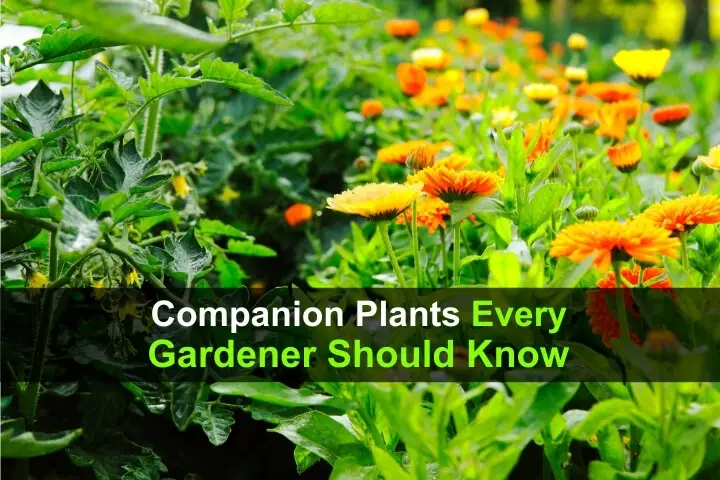
- Pest-Repelling Species: Position marigolds, nasturtiums, or calendula along borders and edges to create a protective barrier against invaders.
- Pollinator-Magnet Flowers: Plant cosmos, zinnias, or alyssum close to pollination-dependent crops to encourage visits from bees and other helpful insects.
- Soil-Nutrient Boosters: Integrate nitrogen-fixing legumes such as peas and beans alongside heavy-feeding plants like corn or squash to naturally fertilize the soil.
- Optimize Vertical and Horizontal Growth Patterns: Site tall growers like corn or sunflowers on the northern edge to prevent shading shorter companions. Reserve southern and eastern spots for low-growers or trailers such as radishes, lettuce, or squash, ensuring all receive ample sunlight.
- Cluster by Watering Requirements: Group plants with comparable moisture preferences to streamline irrigation efforts, reducing waste and promoting consistent hydration.
- Incorporate Space for Rotation and Succession Planting: Design paths and open areas that allow crop rotation into fresh sections post-harvest, minimizing disease accumulation and soil exhaustion over multiple seasons.
Expanding Beyond Basics: Pest Repellers and Pollinator Attractors

Companion planting extends far beyond nitrogen enrichment or soil shading. Certain plants actively deter insects and rodents, while others summon pollinators essential for fruit set. These multifaceted benefits elevate garden resilience and output.
Beneficial Pollinating Insects
Drawing pollinators to your garden dramatically improves the fertilization rates of low-level blossoms, such as those on squash or pumpkins. With declining bee populations worldwide, diversifying to include wasps, yellow jackets, butterflies, and other insects becomes crucial for reliable yields.
Honeybees remain vital allies and will flock to gardens offering abundant nectar sources. Consider these compelling pollination statistics to underscore their importance:
- All bee species facilitate pollination for approximately 80 percent of the world’s flowering plants. Without nearby hives, cultivate diverse blooms to lure them in.
- A single healthy bee colony can service up to 300 million flowers and vegetable blossoms daily.
- Bees support pollination for 70 of humanity’s primary food crops.
- One-third of every food bite we consume traces back to bee-pollinated or insect-pollinated plants.
- Crops like avocados, apples, pears, peaches, and cherries depend on insect pollination for 90 percent of their production.
- Additional staples including cucumbers, squash, apples, peppers, tomatoes, and berries similarly rely on aerial pollinators for optimal fruiting.
Top Plants for Pollinators and Pest Defense

A selection of plants excels at warding off rodents and harmful insects while beautifying your space and inviting pollinators. These versatile options can be interspersed within or encircling your garden to provide dual protection and attraction:
- Black-eyed Susan
- Butterfly weed
- Calendula
- Elder
- English lavender
- Geraniums
- Giant hyssop
- Globe thistle
- Honeysuckle
- Huckleberry
- Hyssop
- Lupine
- Marigolds
- Marjoram
- Mint
- Purple coneflower
- Rhododendron
- Rosemary
- Sage
- Salvia
- Snowberry
- Stonecrop
- Sunflower
- Thyme
- Trumpet vine
- Yarrow
- Zinnia
Strategically position these around garden perimeters or adjacent plots to populate the airspace with beneficial fliers, who will naturally tend to nearby crops. This approach not only boosts productivity but also fortifies defenses against adversaries.

Garden Defenders Against Pests
Specialized plants target both insects and larger pests like rabbits or mice. Marigolds lead the pack, joined by daffodils, geraniums, and a host of herbs ranging from rosemary to green onions. While most integrate seamlessly, monitor interactions and relocate if conflicts arise.
The overarching message emphasizes herbs as premier guardians for vegetable gardens. Surround your plots with them-many persist as perennials or self-sow reliably. They universally repel insects, rodents, and pests while harmonizing with vegetables and flowers alike.
Key defender herbs include:
- Basil
- Calendula
- Catnip
- Lavender
- Marigolds
- Mint
- Nasturtiums
- Rosemary
- Sage
- Savory
- Thyme
- Zonal geraniums
Frequent Pitfalls in Companion Planting and How to Avoid Them
Though immensely effective, novice gardeners often encounter common errors in companion planting. Awareness of these can safeguard your efforts:
❌ Overcrowding Plants: Proximity does not equate to packing tightly. Even allies require breathing room to access light, air, and nutrients without rivalry.
✔ Best Practice: Adhere to recommended spacing from seed packets, tweaking as growth progresses.
❌ Blind Trust in All Pairings: Not every touted combination thrives; some, like tomatoes near cabbage, foster competition or shared vulnerabilities. Scientific validation varies.
✔ Best Practice: Experiment in small test zones, tracking pest activity and vigor before scaling up.
❌ Ignoring Rotation Cycles: Repeated use of the same spots depletes soil and invites persistent diseases.
✔ Best Practice: Shift plant families-nightshades, brassicas, legumes-seasonally for renewal.
❌ Insufficient Insect Habitat: Sporadic flowers fail to sustain populations year-round.
✔ Best Practice: Blend early-spring, midsummer, and late-autumn bloomers for continuous support.
Maintaining Records for Garden Improvement
Every garden functions as a living laboratory full of variables influencing outcomes. Maintaining a dedicated journal captures insights on planting locations, growth patterns, health indicators, and final yields.
By documenting essentials like simple plot sketches and observational notes, you empower data-driven refinements. Over time, this builds a personalized companion planting playbook, refining your strategy for escalating success across seasons.