Featured Content



Enter your email address below and subscribe to our newsletter

Your Next Move, Planned.
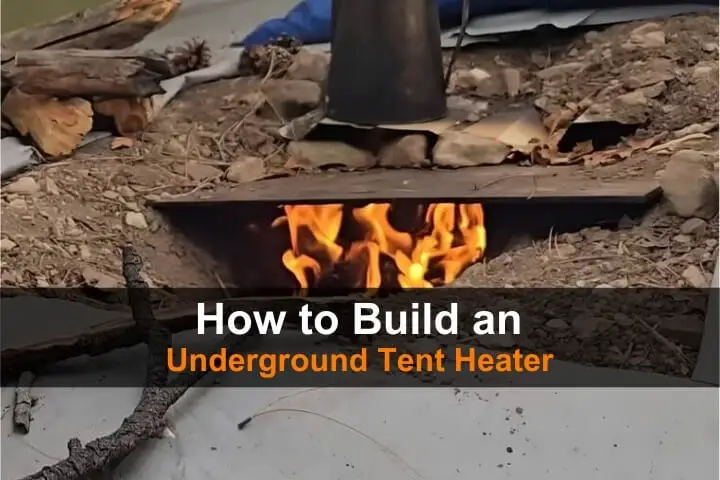
Camping during the winter months often presents significant difficulties when it comes to maintaining body heat throughout the entire night. Even if you pack a high-quality sleeping bag along with additional layers of blankets, the chill can still penetrate your shelter intensely, particularly when the campfire is positioned several feet away from your tent in frigid conditions. Fortunately, there exists an ingenious and highly effective solution to combat this issue: constructing an underground tent heater that provides consistent warmth directly from below.
This innovative bushcraft technique involves creating a trench fire positioned right beneath the floor of your tent. The design allows heat to radiate steadily upward through the earth, ensuring a comfortable sleeping environment for hours on end. By building a substantial bed of glowing coals, the system sustains warmth without the necessity of waking up periodically to add more fuel to the flames. It proves to be remarkably straightforward to implement, energy-efficient, and exceptionally reliable, making it an ideal choice for hot tent configurations, winter expeditions, or emergency survival circumstances where traditional heating options are unavailable.
Begin by identifying a suitable spot that is level and offers some protection from the elements, ensuring it is safe for excavation activities. Carefully inspect the ground to confirm the absence of large roots, sharp rocks, or any other subterranean obstacles that could complicate your camp setup or trench digging process. Taking the time to scout and prepare this area properly lays a solid foundation for the success of your underground heating project.

Proceed to dig a trench precisely aligned with the central area underneath where you intend to pitch your tent. The dimensions of this trench can be adjusted based on your desired level of heat output, but generally, it should extend to a depth of approximately 12 to 18 inches and be wide enough to facilitate proper airflow while accommodating an ample supply of firewood. To enhance safety and durability, position a lengthy sheet of metal over the trench once dug, which serves to cap it off and shield it from accidental footsteps.

At one terminus of the trench, designate the space for your primary fire pit. Securely cover this section with another piece of sheet metal, and then mound a layer of soil over it for added insulation and concealment. Importantly, ensure that this end remains accessible by leaving it partially open, allowing you to ignite the fire and replenish fuel as required during the operation.
To optimize the heating efficiency, install a segment of chimney pipe or flexible ducting at the opposite end of the trench from the fire pit. This component functions as a natural draft mechanism, drawing fresh oxygen into the trench from the inlet end while expelling smoke and combustion byproducts through the chimney. Proper placement is crucial: maintain a unobstructed air intake at the fire pit end and position the chimney outlet clearly at the far end to promote steady and reliable airflow throughout the entire system.

Once the trench infrastructure is complete, erect your tent directly above it, ensuring precise alignment so that the trench runs centrally beneath the sleeping area. After securing the tent, carefully cut a square opening in the tent’s flooring material right above the fire pit location at the trench’s end. This access point will enable you to manage the fire without fully exposing the interior to the elements.
For maximum comfort, consider laying down an insulating mattress or sleeping pad directly over the trench section. This setup not only protects you from direct ground contact but also captures and retains the rising heat effectively, keeping your bedding toasty throughout the night.

Ignite your fire within the trench using sizable logs and branches selected for their slow-burning properties, which contribute to a prolonged and steady heat release. Allow the flames to fully consume the initial fuel load, reducing it down to a robust, ember-filled bed of coals. It is this concentrated mass of hot coals that serves as the primary heat source, with the surrounding soil acting as a thermal battery that absorbs the energy and slowly radiates it upwards into your tent space over an extended period.

Implementing this underground tent heater design empowers you to enjoy restful warmth during cold nights without the hassle of transporting cumbersome stoves or the disruption of frequent fire tending. Its versatility shines in various applications, including dedicated winter camping trips, critical survival situations where resources are limited, or extended off-grid adventures where self-sufficiency is paramount. By harnessing the earth’s natural insulating qualities combined with a well-managed trench fire, you achieve a sustainable heating solution that enhances safety and comfort in harsh environments.
Safety remains a top priority with any open flame setup, so always monitor for adequate ventilation to prevent carbon monoxide buildup, keep flammable materials clear, and extinguish the fire completely before leaving the site. With practice, this method can become a reliable staple in your outdoor skill set, transforming potentially miserable cold-weather outings into enjoyable and secure experiences.