





Your Next Move, Planned.

Crafting Long-Term Tinctures: Complete Storage Guide
Help Others Prepare
Tinctures represent one of the most reliable and versatile methods for preserving the medicinal properties of herbs over extended periods, making them an essential skill for anyone focused on self-sufficiency and emergency preparedness. These concentrated herbal extracts, created by steeping plant materials in alcohol or other solvents, can retain their potency for years or even decades when properly prepared and stored. In uncertain times when access to modern pharmaceuticals might be limited or nonexistent, having a stockpile of homemade tinctures provides a powerful line of defense against illness and injury.
Understanding the Fundamentals of Tinctures
At their core, tinctures function as potent liquid extracts that capture the active compounds from various plants, roots, barks, berries, and flowers. The extraction process relies on the solvent’s ability to dissolve and draw out these valuable phytochemicals, vitamins, minerals, and essential oils that give herbs their therapeutic effects. Unlike teas or infusions, which primarily extract water-soluble components, tinctures excel at pulling both water-soluble and alcohol-soluble constituents, resulting in a more comprehensive medicinal profile.
The history of tinctures stretches back thousands of years, with evidence of their use in ancient China, Egypt, Greece, and among Native American tribes. Traditional healers recognized early on that alcohol served as an exceptional preservative, preventing bacterial growth while simultaneously enhancing the bioavailability of herbal compounds. Today, many commercial herbal supplements still utilize tincture technology, underscoring its enduring effectiveness and reliability.
Why Tinctures Excel for Long-Term Storage
Several key factors make tinctures superior for long-term preservation compared to dried herbs, salves, or other preparations. First, the high alcohol content-typically 40-100 proof-creates an inhospitable environment for microorganisms, effectively sterilizing the preparation and preventing spoilage. Studies have shown that properly made tinctures can remain viable for 25 years or longer, with many traditional formulations lasting generations when kept in optimal conditions.
Second, tinctures maintain remarkable stability. The alcohol acts as both solvent and stabilizer, preventing the degradation of delicate compounds that might break down in heat, light, or oxygen exposure. This stability translates directly to consistent potency over time, unlike dried herbs that gradually lose volatile oils and active ingredients. Space efficiency represents another advantage; a single quart of tincture can equal many pounds of dried material, making it ideal for limited storage scenarios.
Finally, the dosage precision and rapid absorption set tinctures apart. Administered sublingually or in water, they bypass much of the digestive process, delivering medicine directly into the bloodstream within minutes. This quick action proves invaluable during acute situations where every second counts.
Selecting the Right Solvent: Alcohol vs. Alternatives
Choosing the appropriate solvent forms the foundation of successful tincture making. High-proof alcohol, particularly vodka (80-100 proof) or grain alcohol (190 proof), remains the gold standard due to its dual role as extractor and preservative. Ethanol effectively dissolves a broad spectrum of plant compounds while killing virtually all pathogens. For those avoiding alcohol entirely, alternatives exist but come with trade-offs.
Glycerin serves as an excellent non-alcoholic option, particularly for children, pets, or individuals with alcohol sensitivities. This sweet, viscous substance extracts water-soluble compounds well and offers mild preservation properties, though tinctures typically last 1-3 years rather than decades. Glycerin tinctures require refrigeration after opening and work best with moist plant materials.
Vinegar provides another alcohol-free choice, especially apple cider vinegar with its added probiotic benefits. Acetic acid extracts minerals and alkaloids effectively, creating what herbalists call oxymels when combined with honey. Vinegar tinctures suit digestive and antimicrobial applications but possess shorter shelf lives (2-5 years) and stronger flavors.
For ultra-long-term storage exceeding 50 years, nothing surpasses high-proof grain alcohol (95% ethanol). This pharmaceutical-grade solvent penetrates plant cell walls maximally, yielding the strongest extracts with indefinite shelf life when properly sealed.
Essential Equipment for Tincture Production
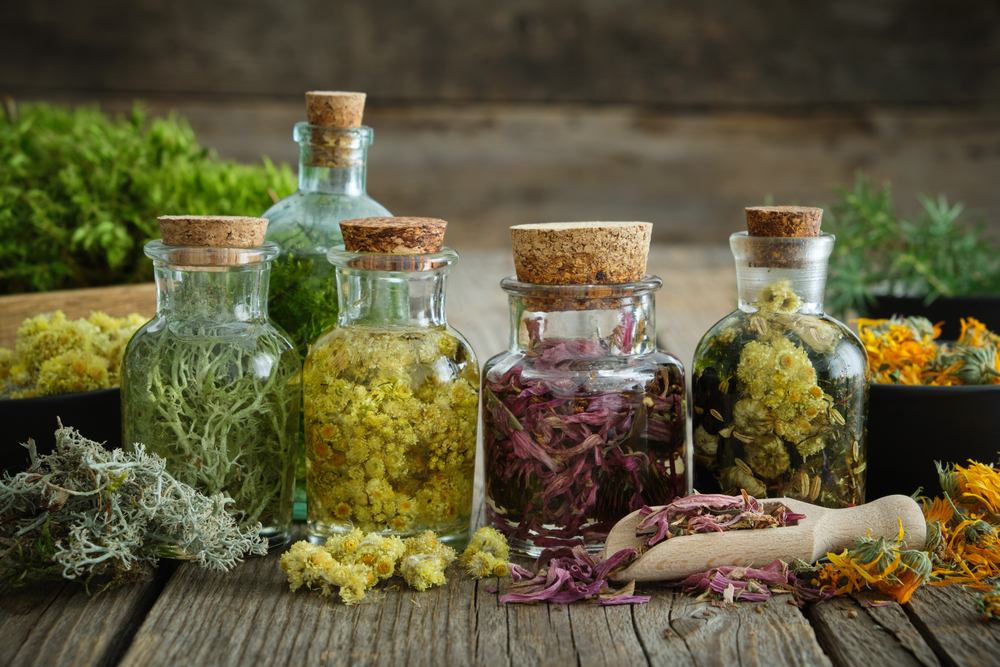
Crafting professional-quality tinctures requires minimal but specific equipment. Amber or cobalt glass dropper bottles (1 oz to 16 oz sizes) protect contents from light degradation while enabling precise dosing. Mason jars with wide mouths (pint to quart size) provide ideal maceration vessels, their rubber seals creating airtight environments during the extraction phase.
Stainless steel strainers (fine mesh), cheesecloth or muslin bags, and glass funnels facilitate clean separation of plant material from liquid. Funnels with narrow spouts prevent spills when filling dropper bottles. Labels become crucial-use oil-proof markers or printed labels specifying herb name, date, solvent strength, and dosage instructions.
For advanced preparations, a small scale ensures accurate ratios, while coffee filters achieve crystal-clear filtration. Avoid plastic containers entirely, as they can leach chemicals into alcohol over time. Invest in quality storage racks or bins to organize by category (respiratory, digestive, immune, etc.) and expiration monitoring.
Preparation Methods: Fresh vs. Dried Materials
- Fresh Herbs (1:2 ratio): Chop finely and fill jar 2/3 full. Cover completely with solvent. Fresh materials contain more water, requiring stronger alcohol (80-100 proof).
- Dried Herbs (1:5 ratio): Fill jar 1/3 to 1/2 full. Use 80-190 proof alcohol. Dried materials concentrate compounds, needing more solvent volume.
- Roots/Barks (1:5 ratio): Chop or grind coarsely. Require 3-6 week maceration periods due to density.
The preparation ritual begins with clean, dry working surfaces and sanitized equipment. Wash fresh herbs gently in cool water, pat thoroughly dry, then chop immediately to preserve volatile oils. For wild harvesting, identify plants confidently using multiple field guides, harvest sustainably (never more than 20% of a patch), and process within hours to maximize potency.
Step-by-Step Tincture Making Process
Begin by selecting your herb based on intended use-echinacea for immunity, valerian for sleep, ginger for digestion. Calculate ratios precisely: 1 part herb by weight to 2-5 parts solvent by volume. Place prepared plant material in jar, pour solvent to cover by at least 2 inches, ensuring no air pockets or dry spots.
Seal tightly and store in a cool, dark location, shaking vigorously twice daily. This agitation enhances extraction by dislodging plant material and redistributing solvents. Maceration times vary: leaves/flowers (2-4 weeks), roots/barks (4-6 weeks), resins/gums (6-8 weeks). Watch for color changes indicating complete extraction-deep, rich hues signal readiness.
Strain through cheesecloth into another clean jar, squeezing firmly to extract maximum liquid. Many double-filter through coffee filters for clarity. Bottle immediately in dark glass, fill to brim minimizing headspace, and label comprehensively. Store vertically in cool darkness; potency increases for first 1-2 years before stabilizing.
Optimal Long-Term Storage Strategies
Proper storage multiplies tincture lifespan exponentially. Maintain temperatures between 50-70°F (10-21°C), avoiding garages, attics, or areas with temperature fluctuations. Darkness remains non-negotiable-UV light destroys delicate compounds within months.
Position bottles upright to minimize seal stress, inspecting annually for evaporation, cloudiness, or separation. A faint herbal sediment proves normal; shake before use. For extreme longevity (50+ years), vacuum-seal bottles in Mylar bags with oxygen absorbers, then store in ammo cans buried or cached strategically.
Organize systematically: immune support shelf (echinacea, elderberry), pain management (willow bark, turmeric), digestive aids (peppermint, fennel), first aid (plantain, yarrow), women’s health (raspberry leaf, black cohosh). This logical arrangement ensures rapid access during crises.
Dosage Guidelines and Administration
- Adults: 20-40 drops (1-2 ml) 3-4x daily
- Children: 5-15 drops based on weight
- Acute situations: 1 tsp every 15-30 minutes
- Chronic conditions: 1/2 tsp 2-3x daily
Administer directly under tongue for fastest absorption, or dilute in 2 oz water/juice. Start with minimal doses to assess tolerance, gradually increasing as needed. Track responses in a journal, noting effective combinations and individual sensitivities.
Safety Considerations and Contraindications
While generally safe, tinctures demand respect. Alcohol extracts concentrate compounds exponentially-always research herb-specific contraindications. Pregnant/nursing women should avoid certain herbs (black cohosh, pennyroyal). Those on medications must check for interactions, particularly blood thinners with garlic or ginger.
Store securely away from children. In overdose situations, dilute with water/milk and seek medical attention. Quality control proves paramount-source herbs from reputable suppliers or grow organically, testing wild harvests for contamination.
Top 20 Tinctures for Survival Medicine Cabinet
Prioritize these proven remedies based on versatility and historical effectiveness:
- Echinacea: Immune stimulation, infection fighter
- Garlic: Broad-spectrum antibiotic, cardiovascular support
- Ginger: Anti-nausea, digestive aid, anti-inflammatory
- Valerian: Anxiety, insomnia, muscle relaxant
- Plantain: Wound healing, insect bites, digestive soother
- Yarrow: Stops bleeding, fever reducer, women’s health
- Elderberry: Antiviral, respiratory support
- Turmeric: Anti-inflammatory, liver support, pain relief
- Peppermint: Digestive, headache, respiratory decongestant
- Willow Bark: Natural aspirin, pain relief, fever reducer
- Nettles: Allergies, arthritis, nutrient dense
- Oregano: Antifungal, antibacterial powerhouse
- Calendula: Skin healing, anti-inflammatory
- Lemon Balm: Antiviral, calming, cold sore treatment
- Mullein: Respiratory infections, earaches
- Skullcap: Nervous system support, seizure prevention
- Hawthorn: Cardiovascular tonic, blood pressure regulation
- Dandelion: Liver/kidney detox, diuretic
- Marshmallow Root: Soothes irritated mucous membranes
- Slippery Elm: Gastrointestinal protector, sore throat relief
Each serves multiple purposes, maximizing storage efficiency. Master 5-10 initially, expanding repertoire gradually through hands-on experience.
Advanced Techniques for Maximum Potency
Elevate basic tinctures through specialized methods. Accelerated hot extraction uses gentle heat (100-120°F) via double boiler, reducing maceration to 3-7 days while preserving compounds. Succession tincturing extracts multiple times from same material, concentrating potency dramatically.
Spagyrics represent alchemical pinnacle-separate plant into salt, sulfur, oil via calcination, distillation, coagulation, then recombine. These mineral-rich preparations purportedly last centuries with enhanced efficacy. Glycerin-alcohol hybrids combine benefits, extracting broader spectrum while reducing alcohol content.
Common Mistakes and How to Avoid Them
- Insufficient solvent coverage: Leads to spoilage and weak extraction
- Plastic containers: Chemical leaching destroys quality
- Light exposure: Rapid potency degradation
- Rushing maceration: Incomplete extraction wastes materials
- Poor straining: Cloudy, sediment-heavy product
- Inadequate labeling: Confusion during emergencies
Consistency proves key. Document every batch meticulously, refining techniques through iterative improvement. Quality compounds exponentially over time.
Building Your Tincture Rotation Schedule
Plan production seasonally around peak plant potency. Spring: dandelion, nettles, violet. Summer: echinacea, yarrow, elderflower. Fall: roots (valerian, dandelion), berries (elderberry). Winter: replenishing popular formulas from stores.
Maintain 6-12 month supply minimum, rotating stock FIFO (first in, first out). Annual quality checks verify continued viability. This systematic approach ensures perpetual readiness.
Cost Analysis: DIY vs. Commercial
Homemade tinctures slash costs dramatically. One quart 100-proof vodka ($15) yields 16+ standard 1oz bottles retailing $12-20 each ($192-320 value). Herbs cost $2-8/oz dried, stretching further in bulk. Amortized over 25-year shelf life, per-dose savings become extraordinary.
Self-reliance multiplies value exponentially-no supply chain dependency, customized formulations, confidence in purity. Investment pays immediate dividends in peace of mind and capability.
Integration with Broader Preparedness Strategy
Tinctures complement other medical preparations seamlessly. Pair with hard medications (antibiotics, painkillers), wound care supplies, medical texts. Include in every bug-out bag, vehicle kit, home cache. Teach family members basic usage protocols.
Practice scenarios build proficiency-mock injuries, timed retrieval drills. This holistic integration transforms theoretical knowledge into practical capability, bridging intention to execution effectively.
Mastering tincture making elevates preparedness profoundly. Beyond medicine storage, it cultivates self-reliance, botanical knowledge, and resilience. Each bottle represents hours of intention, nature’s wisdom concentrated into survival insurance against uncertain futures.