







Your Next Move, Planned.

Best Solar Panel Chargers for Emergency Gear 2026
Help Others Prepare
Quick Overview: Solar Panel Chargers for Emergency Electronics
When selecting solar panel chargers for powering critical devices during crises, prioritize models offering a minimum output of 21W to 28W to effectively recharge smartphones and satellite communicators. A crucial safety element is the inclusion of an integrated voltage regulator, which safeguards delicate microchips in emergency gear from dangerous power fluctuations. For protection against electromagnetic pulses or solar flares, always store your charger within a Faraday bag to shield its internal electronics. Among the leading choices for 2026 are: the BigBlue 28W as the top versatile option featuring a built-in ammeter; the Anker Solix PS30 excelling in rapid USB-C charging; and the EcoFlow 110W ideal for medical equipment and portable power stations.
Understanding Solar Panel Chargers
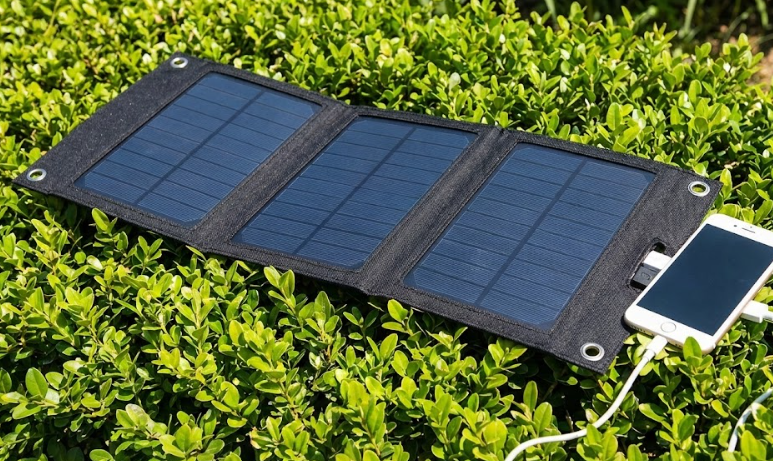
Solar panel chargers consist of portable, foldable arrays equipped with photovoltaic cells designed to absorb sunlight and transform it into usable electrical energy. Embedded within the unit is a voltage regulator that stabilizes the generated power, ensuring consistent delivery through output ports such as USB or DC connections for linking various devices. Compact enough to fit inside a backpack, these chargers operate reliably in any location exposed to direct sunlight.
Several factors make solar panel chargers exceptionally dependable for emergency scenarios:
- Independence from the Grid: They deliver essential backup electricity when traditional power sources collapse amid blackouts, storms, or other disasters.
- Endless Energy Supply: Unlike conventional power banks that eventually deplete completely, solar chargers continue generating power daily as long as sunlight is available.
- Quiet and Eco-Friendly Operation: Free from engine sounds or harmful emissions, they provide the stealthiest power option for prolonged survival situations.
- Exceptional Durability: With no mechanical components, these units boast a lifespan exceeding 20 years, representing a one-time investment for lifelong utility.
As extreme weather events intensify and electrical grid failures occur more often, incorporating a dependable solar panel charger into your emergency survival kit has evolved from a luxury to an absolute necessity.
Functionality of Solar Panel Chargers with Emergency Devices
Devices critical for emergencies often feature sensitive internals lacking robust built-in surge protection, making them vulnerable to inconsistent power inputs unlike more resilient gadgets such as laptops. Without stable voltage, tools like satellite messengers or weather radios may malfunction, reset, or fail entirely during spikes. Solar panel chargers equipped with proper voltage regulation counteract these risks by delivering smooth, regulated power to maintain operational integrity.
These chargers excel at supporting a range of vital emergency electronics, including:
- Satellite Messengers and GPS Units: Regulated voltage preserves fragile communication circuits against surges that could otherwise damage components.
- NOAA Weather Radios: Consistent power supply enables prolonged standby readiness without rapidly exhausting internal batteries.
- Rechargeable Illuminators: Efficiently recharges LED headlamps in just 2 to 4 hours of sun exposure for full capacity.
- Essential Medical Equipment such as CPAP Machines: Powers auxiliary stations during daylight hours, ensuring overnight functionality for life-sustaining devices.
- Smartphones as Communication Hubs: USB-C compatibility allows swift recharges, sustaining vital apps during critical moments.
Reliable Online Sources for Purchasing Solar Panel Chargers
Avoid low-quality panels from unverified vendors to prevent disappointment. Opt for these trusted purchasing channels:
- Direct from Manufacturers: Brands like Anker, EcoFlow, and Jackery offer genuine products with full warranty coverage through their official sites.
- Reputable Outdoor Gear Stores: Retailers such as REI and Backcountry stock only rigorously tested equipment suitable for harsh conditions.
- Survival and Preparedness Specialists: Outlets like The Ready Store and My Patriot Supply curate panels often paired with protective EMP shielding bags.
- Amazon Best Practices: Select items explicitly marked as “Sold by [Brand] and Fulfilled by Amazon” to ensure authenticity and avoid counterfeit units with inflated specs.
Leading Solar Panel Chargers for Emergency Use in 2026
Discover the most thoroughly evaluated solar panel chargers recommended for 2026 emergency applications:
Versatile Choice: BigBlue 28W Foldable Solar Panel

Renowned in survival circles as the ultimate dependable performer, this model strikes an ideal equilibrium between portability and output capacity.
- Superior Conversion Rate: Employs SunPower cells achieving up to 24% sunlight-to-energy efficiency.
- Integrated Digital Ammeter: Real-time display monitors power generation, allowing precise panel adjustments for optimal performance.
- Rugged Build Quality: Constructed from heavy-duty fabric with IPX4 water resistance for reliable field use.
High-Capacity Option: EcoFlow 110W Portable Solar Panel

Perfect for demanding applications like operating CPAP machines or medical refrigeration units requiring substantial power.
- Compatible with Power Stations: Seamlessly integrates with Delta and River series via MC4 connectors for expanded capacity.
- Bifacial Technology: Captures additional energy from ground reflections, boosting output by up to 25% on reflective surfaces like snow.
- Ultimate Weather Resistance: IP68 certification ensures functionality even after full submersion, ideal for flood-risk areas.
High-Speed Performer: Anker Solix PS30

When rapid recharging is paramount, this unit delivers unmatched velocity.
- Advanced USB-C Power Delivery: Accelerates charging for modern 2026 smartphones and tablets beyond basic USB capabilities.
- Ultra-Compact Design: Folds to dimensions akin to a notebook for effortless inclusion in any emergency pack.
- Optimal Timing: Achieves peak efficiency during peak sunlight periods from 10 AM to 2 PM.
Affordable and Tough: FlexSolar 20W

Tailored for budget-conscious preppers seeking enduring toughness without excessive costs.
- Durable ETFE Coating: Features a resilient, self-cleaning ETFE layer providing 24% energy conversion and extended service life over typical PET alternatives.
- IP67 Protection: Fully sealed against dust and water, thriving in chaotic emergency settings where others falter.
- Featherweight Mobility: At a mere 13.9 ounces and folding to notebook size, it integrates seamlessly as a permanent bug-out bag essential.
Comparative Analysis of Premier Models
Review this concise table summarizing key attributes of the top solar panel chargers for emergency electronics:
| Model | Power Output | Weight | Ideal Application |
|---|---|---|---|
| BigBlue 28W Foldable | 28W | 1.48 lbs | General Survival & Communication |
| EcoFlow 110W Portable | 110W | 8.8 lbs | Medical Gear & CPAP Machines |
| Anker Solix PS30 | 30W | 2.4 lbs | Fast USB-C Charging |
| FlexSolar 20W | 20W | 0.87 lbs | Ultra-Light & Waterproof |
Expert Recommendations
- Avoid Indoor Window Charging: Contemporary glass filters out UV light, slashing efficiency by up to 50%; position panels in unobstructed outdoor sunlight for best results.
- Scaling Up Power: For intensive medical needs, employ parallel adapters to link multiple 28W panels, effectively doubling charge rates for substantial batteries.
Frequently Asked Questions
Can Solar Panel Chargers Power Phones During Solar Flares?
Absolutely, provided the charger and devices were shielded in a Faraday bag prior to the event; unprotected units risk charge controller failure.
How Long to Fully Charge a Smartphone with a 28W Panel?
Under optimal direct sunlight, expect 2 to 3 hours; cloudy conditions may extend this to 6 hours or beyond.
Do These Chargers Function Overnight?
No, sunlight is required for generation; employ a daytime charging routine for power banks to supply devices through the night.
Optimal Long-Term Storage for Emergency Solar Chargers?
Clean panels thoroughly, store in a cool, dry environment, and for models with integrated batteries like BioLite, maintain 80% charge every 3-6 months. Encase the complete assembly in a Faraday bag for EMP readiness.