Featured Content



Enter your email address below and subscribe to our newsletter

Your Next Move, Planned.

During an unexpected crisis, the outcomes are unpredictable for most individuals since few have firsthand experience with genuine catastrophes. Nevertheless, this should not deter anyone from taking proactive steps, as the timeless advice reminds us that prevention is far preferable to regret. Developing a comprehensive emergency preparedness checklist serves as an invaluable tool in this process.
Prior to compiling any list, extensive reflection and evaluation are essential. While generic checklists available online may offer useful suggestions, they often fail to align with personal circumstances, potentially overlooking critical aspects unique to your life.
Your preparedness strategy must be customized to match your particular requirements, available assets, geographical position, capabilities, and constraints. It ought to be crafted specifically for your household or group, incorporating the precise elements of your environment. Adopting this targeted approach ensures that vital details are not overlooked amid less pressing concerns.
This guide explores all the key factors to contemplate when assembling an emergency kit tailored for your loved ones. With the festive period underway, many individuals involved in preparedness are seeking inventive and unconventional present ideas for their relatives. In today’s uncertain landscape, presenting an emergency kit can be positioned lightheartedly as a response to ongoing global challenges, and it is likely to be welcomed positively even by the most skeptical acquaintances.
The following recommendations provide foundational guidance as you embark on crafting your personalized emergency preparedness checklist. Even if calamity never reaches your doorstep, adhering to these principles will significantly enhance your readiness should the need arise.
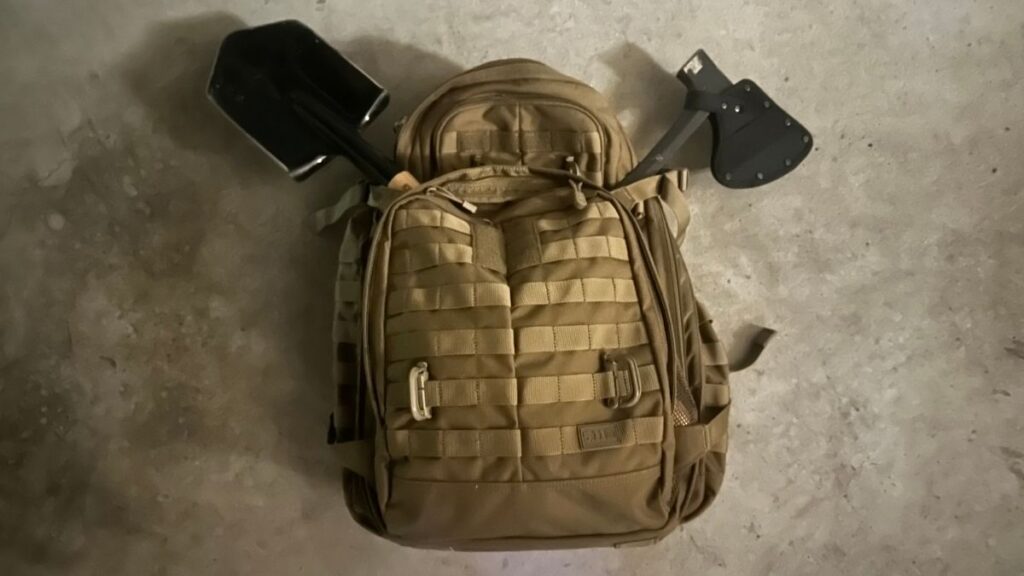
When addressing the fundamentals of emergency readiness, begin by identifying the necessities for sustaining life while remaining at home during a prolonged crisis. This collection of supplies is typically known as an “emergency kit.” At its core, it must provision essentials such as nourishment, hydration, apparel, and protection from the elements for every member of your household or team.
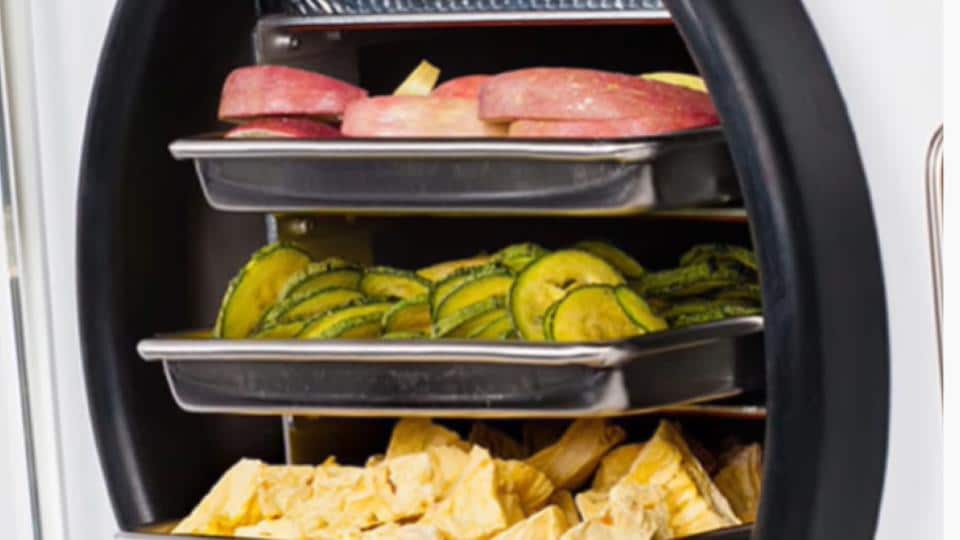
Key components include durable, long-shelf-life provisions, mechanisms for gathering and sanitizing water adequate for your group’s size, hygiene products, medical supplies, and barriers against weather exposure. Supplementary items might encompass means for staying informed and illuminated. For instance, incorporate a radio operated by batteries, reliable flashlights or headlamps, and spare power cells, anticipating potential power outages. Additionally, stash vital paperwork that verifies your residency, which could prove crucial during evacuations when re-entry to your neighborhood is restricted.
For those entering the realm of preparedness, dedicating time prior to any incident to educate yourself on emergency protocols is crucial. Abundant resources exist to assist newcomers, offering practical advice to initiate your journey effectively.
After grasping these foundational elements, proceed to assemble a survival assembly suited to your distinct conditions. Should a crisis unfold before your preparations are complete, maintain composure and methodically assess response options rather than succumbing to panic over incomplete supplies.
One significant advantage of this gradual approach is the opportunity to mentally rehearse responses to diverse predicaments in a secure, relaxed setting. Such foresight dramatically improves your effectiveness when actual events demand action.

Carefully analyzing probable events enables the formulation of robust strategies. Consider, for instance, the implications if a family member embarks on an extended trip away from home. What preparations would suffice if a natural calamity occurred in their absence? How might communication persist if they become isolated? Even less dramatic occurrences, such as unemployment or prolonged health issues, warrant similar forethought.
Countless potential disruptions demand readiness. To address this spectrum comprehensively, devise a structured response framework, thoroughly practiced beforehand, offering the most reliable defense.
Various environmental hazards necessitate distinct countermeasures and protocols. Amid concerns over inundations and severe storms, individuals often seek optimal preparation methods. The array of considerations can overwhelm, yet systematic guidance simplifies the outset:
Having evaluated potential challenges, commence cataloging necessities. To construct an effective emergency kit inventory, first enumerate ideal provisions addressing the risks pinpointed in your assessments.
Many discover convenience in maintaining a fully equipped kit within their automobile, particularly beneficial for commuters, solitary dwellers, or those with less-prepared cohabitants. In substantial upheavals, this assembly and its contents could preserve lives among kin or companions. Essential provisions for sustaining through several days or facilitating return home encompass:
Reflect also on your reliance upon digital networks and connectivity tools. For remote professionals, this dependency merits inclusion in your readiness inventory.
Numerous essential records reside exclusively in virtual formats-medical histories, automated transactions, transaction logs. Generating employment verification, for example, demands digital access. Similarly, service statements, financial details, and portfolios lack tangible copies in many cases.

Recognize that crises arise without warning across nearly all circumstances. Thus, immediate and ongoing readiness is paramount. Preparedness transcends mere acquisition; it demands strategic positioning of kits in readily accessible spots and cultivating a proactive outlook that integrates readiness into every facet of decision-making.
Optimal disaster readiness commences with a meticulously crafted checklist. Adhere to its directives, factoring in your locale’s unique vulnerabilities. Regional threats dictate specifics: arid zones emphasize hydration and elevation access, while maritime regions prioritize flotation and egress routes. Identify prevalent risks and erect corresponding safeguards, culminating in a robust kit.
Committing to a comprehensive kit represents a pivotal choice for households or collectives. Frame it as self-sufficiency amid severed support networks. Procurement is inevitable, yet prudent strategies optimize efforts.
Post-acquisition of core sustenance, hydration, refuge, and security elements, vigilance persists. Periodic audits and inventory rotations prevent degradation-spoiled edibles, depleted cells, or deteriorated fabrics. Frequent reassessments match the kit’s importance, safeguarding against future exigencies.
Emergency readiness encompasses myriad considerations, daunting for novices. Initiate via a structured blueprint as the cornerstone.
Supplementary aids abound from authoritative bodies like the Federal Emergency Management Agency. Enumerating requirements clarifies acquisition targets and sources.
Daily transformations shape our world, brimming with extraordinary opportunities for all. Yet, its perils often lurk undetected. Proactively fortify against disruptions to preserve your trajectory and aspirations intact.