





Your Next Move, Planned.
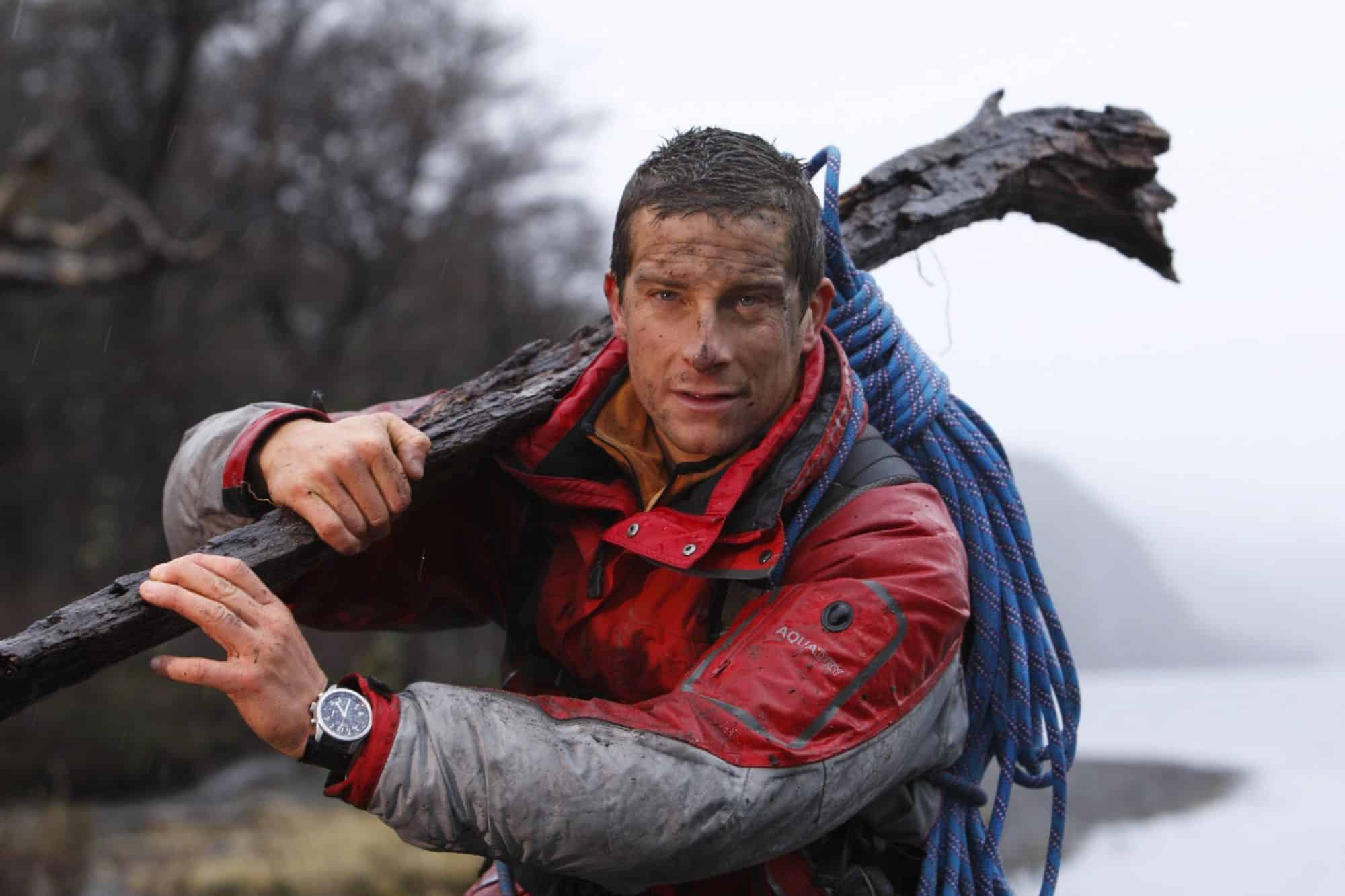

Bear Grylls’ Most Dangerous Survival Tips Exposed
Help Others Prepare
Bear Grylls gained fame as the host of the hit television series Man vs. Wild and also appeared on Worst-Case Scenario. No matter one’s personal opinions about the reality television genre-and to be clear, it’s not my favorite-it’s fair to acknowledge that Grylls played a significant role in popularizing survival skills among the general public.
Without his influence, countless individuals might never have learned fundamental wilderness survival principles, such as the critical need to purify water sources when out in nature.
That said, while Bear Grylls has shared plenty of valuable survival guidance over the years, he has also dispensed some truly hazardous recommendations that could put lives at risk.
1. Consuming Your Own Urine

One of the most frequently repeated yet dangerously misguided survival tips revolves around drinking urine, and it’s arguably among the poorest suggestions out there.
In extreme cases of dehydration, sipping your own urine once or perhaps twice might seem like a desperate measure, but in reality, it’s a highly inadvisable choice that can exacerbate problems.
Urine serves as the body’s mechanism for expelling toxins and waste products. As dehydration intensifies, these waste materials become increasingly concentrated within the urine. When you ingest this contaminated fluid, you’re essentially compelling your kidneys and liver to filter and process those same toxins all over again.
And what resource does the body require most to handle this toxic load? Precisely-precious water reserves that you can ill afford to squander in a survival scenario. This counterproductive cycle can accelerate dehydration rather than alleviate it, making the situation far worse.
2. Tossing Food at an Approaching Bear
Throughout his television appearances, Bear Grylls has crossed paths with bears on several occasions, and unfortunately, he has offered some profoundly flawed advice in those encounters.
In a particular segment, Grylls spots a black bear and commits the initial error of lingering in the area to observe and record footage of the animal, rather than immediately retreating.
A wiser approach would have been to calmly and slowly back away, ensuring personal safety, since black bears tend to be less aggressive compared to their brown bear counterparts. Instead, Grylls escalates the poor decision-making by suggesting that survivors hurl their food-laden backpack directly toward the bear.
The flawed logic here is that the bear would supposedly become distracted by the provisions and lose interest in the human presence. In truth, offering food in this manner is an exceptionally perilous strategy. Not only does it condition wild bears to associate humans with easy meals-leading to more dangerous human-wildlife interactions in the future-but it could also provoke the bear into a defensive or aggressive response, potentially resulting in a violent attack.
3. Fleeing from a Grizzly Bear
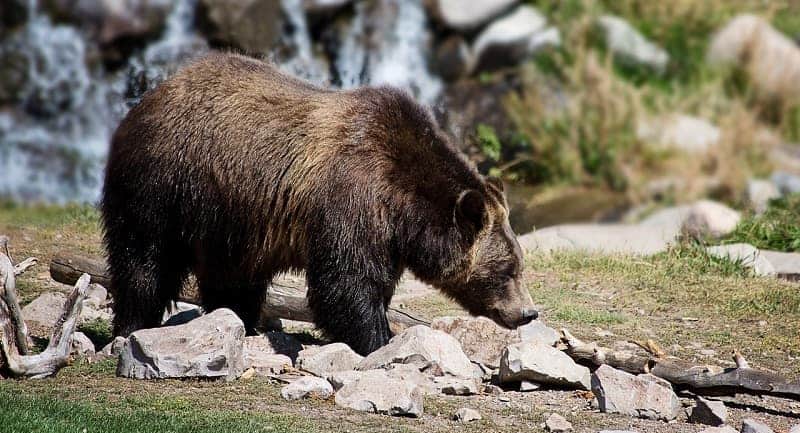
Despite his nickname, Bear Grylls has demonstrated a troubling lack of sound judgment when it comes to handling actual bears in survival contexts.
During one episode, he comes face-to-face with a grizzly bear yet again chooses to remain on-site for filming purposes instead of discreetly withdrawing before drawing attention. Grizzly bears, also known as brown bears, are notably more prone to aggression than black bears, making chance meetings with them something every wilderness adventurer should strive to avoid at all costs.
However, should such an encounter occur, disregard Grylls’ guidance entirely. He recommends retreating slowly at first and then breaking into a run-a recipe for disaster.
Here’s the proper protocol to follow if a grizzly bear notices you:
- Speak to the bear in a steady, low-pitched, reassuring tone to avoid startling it. Gradually elevate your arms overhead to increase your perceived size and appear less threatening.
- If traveling with children or a group, gather them close to form a unified, larger presence, deterring the bear from viewing you as vulnerable prey.
- Begin backing away incrementally and deliberately, maintaining eye contact without sudden movements.
- Absolutely avoid running under any circumstances, as this triggers the bear’s chase instinct. With grizzlies capable of sprinting up to 34 miles per hour, outpacing one on foot is virtually impossible.
- In the event of a charge or attack, consider dropping to the ground and assuming a defensive fetal position to play dead, conserving energy while the bear assesses the threat. Note that this tactic applies specifically to grizzlies and not black bears, which may interpret stillness as an invitation to feed.
4. Yanking Leeches Directly from Your Skin
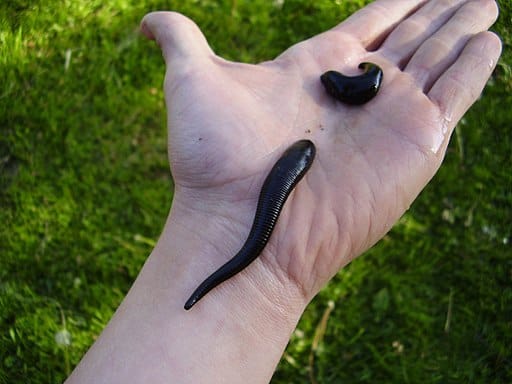
Having personally encountered leeches during numerous swims in infested waters and dealt with them attaching to my body more times than I care to remember, I felt a surge of frustration watching Bear Grylls forcibly detach them from his skin on camera.
Under no circumstances should you simply grab and pull a leech off your body with your fingers!
Such abrupt removal risks leaving behind fragments of the leech’s mouthparts or teeth embedded in the skin, which can fester into a serious infection. Traditional remedies like applying salt, applying heat from a flame, or using other irritants are equally problematic, as they may cause the leech to vomit its gut contents-laden with pathogens-directly into the bite wound, heightening infection risks even further.
The recommended safe method involves locating a flat-edged tool, such as your fingernail, credit card edge, or knife blade. Gently slide it under the leech starting at its head end to sever the suction seal. This allows the creature to detach cleanly and harmlessly, minimizing any chance of complications from the bite.
5. Devouring Raw Meat from Hunted Animals
In certain episodes of his show, Bear Grylls captures small game and proceeds to tear into the raw flesh with his teeth immediately after the kill. While this makes for dramatic television viewing, it constitutes reckless and life-threatening survival counsel.
Uncooked animal meat harbors a wide array of dangerous bacteria, viruses, and parasites that can swiftly overwhelm a human system, especially in the weakened state typical of survival ordeals. Consuming it raw often leads to debilitating gastrointestinal distress, explosive diarrhea, and the vicious cycle of hyper-dehydration that follows, potentially proving fatal without medical intervention.
Certain indigenous populations, such as traditional Arctic peoples, tolerate raw fish consumption due to the preservative effects of frigid temperatures and high salinity in their marine environments, which naturally suppress microbial growth. For the average survivor lacking these conditions, however, the risks far outweigh any benefits-always prioritize thorough cooking or pivot to safer alternatives like foraging for edible insects.
6. Using Vines or Poles to Swing Across Gaps and Rapids
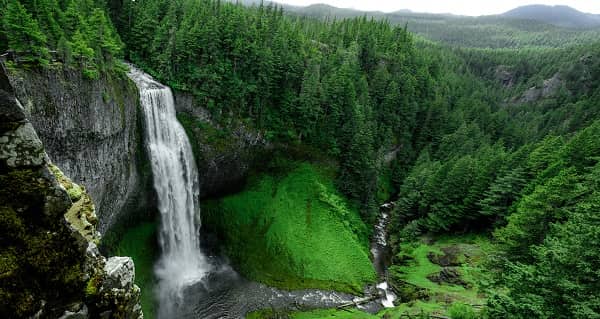
Across numerous installments of his program, Bear Grylls routinely confronts formidable natural barriers such as turbulent rivers, sheer ravines, or cascading waterfalls. His go-to response is invariably some variation of bypassing the obstacle directly overhead, declaring that detouring would consume too much valuable time.
One particularly egregious example shows him binding poles to his limbs and employing them as makeshift poles to pole-vault down treacherous mountain slopes.
Authentic survival scenarios lack the luxuries Grylls enjoys: pre-scouted routes, multiple takes for perfection, or an immediate extraction team complete with medical support. In genuine wilderness peril, a failed stunt translates to shattered bones, immobility, and drastically diminished odds of rescue.
Therefore, when faced with a substantial chasm or hazard, invest the additional hours necessary to navigate a prudent, circuitous path around it, safeguarding your physical integrity for the long haul.
7. Relying on Rivers for Rapid Travel

Bear Grylls frequently promotes rivers as convenient highways for progression in survival situations, but his methods are fraught with peril. In one installment, he constructs a rudimentary raft to navigate a frothing, unpredictable river current. In another, he advocates hurtling down a narrow canyon waterway via body surfing-using nothing but his own physique as a vessel.
These are far from isolated incidents; his shows are replete with ill-advised riverine escapades. For instance, while traversing a constricted canyon stream, he stumbles upon a protruding log spanning the flow and nonchalantly decides to dive beneath it for passage.
Becoming soaked to the bone ranks among the most dire misfortunes in survival contexts, as it primes the body for rapid heat loss, hypothermia, and potentially lethal organ failure if drying and rewarming aren’t immediately feasible. Absent a concrete drying strategy, immersion spells catastrophe.
Wise survivors circumvent raging waterways altogether, dedicating extra effort to locate stable fording points or overland routes that preserve warmth and mobility.
8. Embracing Unnecessary Risks
Ultimately, the core issue with Bear Grylls’ approach lies in his persistent willingness to gamble with danger. From improvised aerial traverses over yawning abysses to plunging into violent torrents, these feats prioritize spectacle over safety.
In the unforgiving wilds, a single fracture or sprain leaves you stranded without evacuation helicopters or on-call surgeons. When uncertainty clouds a course of action, the paramount rule is restraint-err on the side of caution every time.
Prioritizing preservation over bravado represents the gold standard of survival wisdom, ensuring you live to recount your tale.