





Your Next Move, Planned.

A Beginner’s Guide to Foraging
Help Others Prepare
Why Foraging is an Essential Survival Skill
In a survival situation, the ability to forage for food can mean the difference between life and death. While hunting and fishing are often the go-to methods for obtaining food in the wild, foraging for plants is a vital skill that can help supplement your diet, especially when other resources are scarce. It’s also a sustainable way to gather food in nature.
Foraging can provide a variety of edible plants, herbs, roots, fruits, and mushrooms that can be easily collected and consumed in the wild. Learning to identify these plants and knowing which ones are safe to eat can keep you healthy and energized in the wilderness.
1. Edible Wild Plants You Should Know
When foraging, it’s essential to know what to look for. Here are some common edible plants you may encounter in the wild:
- Dandelion (Taraxacum officinale): Almost every part of this plant is edible. The leaves can be used in salads, the roots can be roasted for a coffee-like substitute, and the flowers can be used to make tea or jelly.
- Wild Onion (Allium canadense): These small, bulbous plants have a mild onion flavor and can be eaten raw or cooked. Their leaves and bulbs are both edible.
- Chickweed (Stellaria media): This nutritious herb is often found in lawns or gardens. It has a mild, grassy flavor and can be eaten raw in salads or cooked in soups.
- Wood Sorrel (Oxalis spp.): Known for its sour, lemony taste, wood sorrel can be used in salads or as a garnish for dishes. It is a good source of vitamin C.
- Plantain (Plantago spp.): Not to be confused with the banana plant, plantain is a versatile herb. The leaves can be eaten raw or cooked, and the seeds can be ground into flour.
2. How to Identify Edible Plants Safely
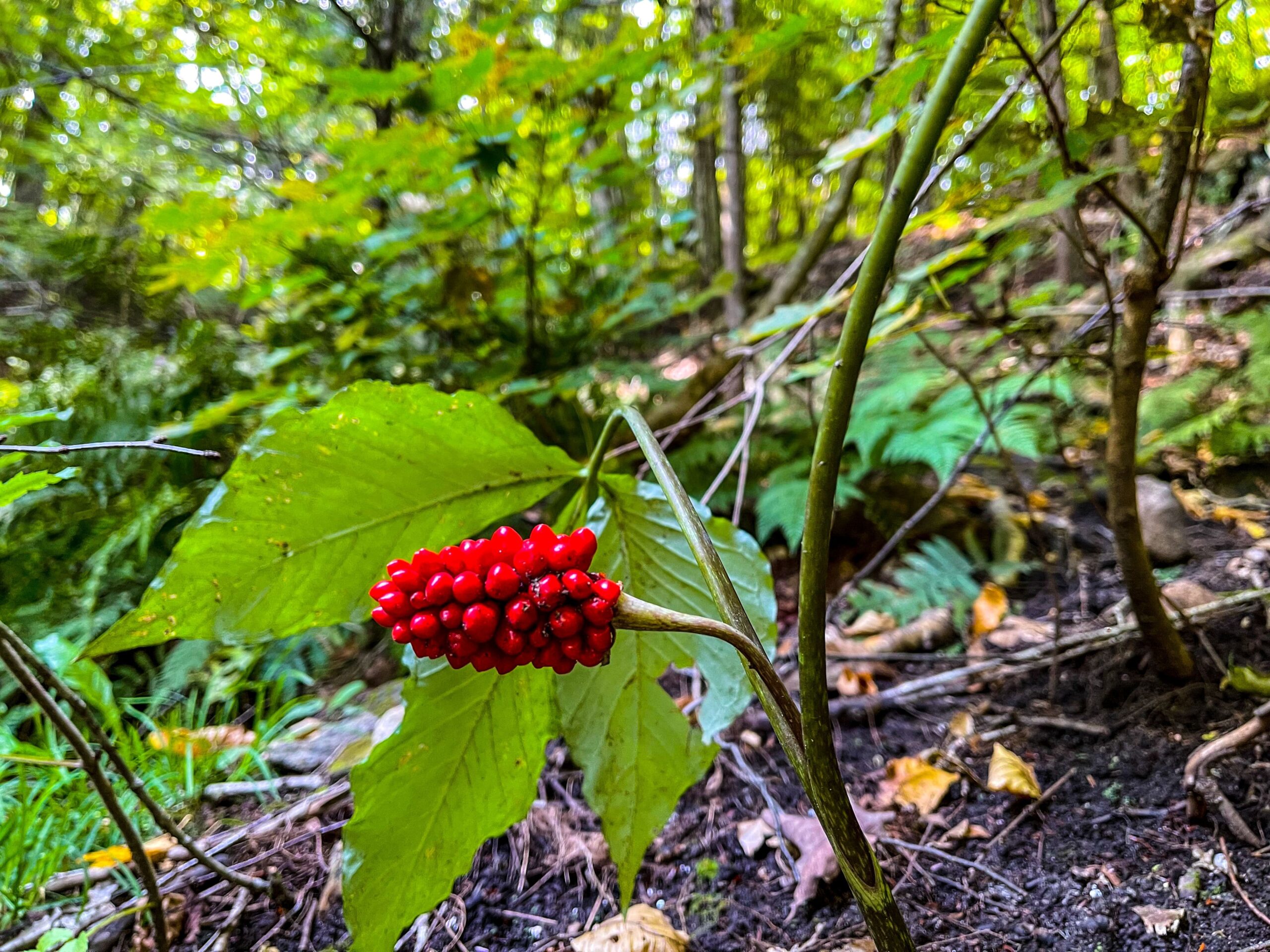
Identifying edible plants in the wild is an essential skill, but it requires caution. Some plants that look similar to edible varieties can be toxic, so it’s crucial to follow these guidelines:
- Know the plant’s characteristics: Familiarize yourself with key characteristics, such as leaf shape, flower color, and stem structure. Always ensure you can identify a plant with certainty before consuming it.
- Use reliable guides: Invest in a good field guide for foraging, or download foraging apps that can help you identify plants. Always cross-reference before eating anything.
- Try a small amount: If you’re uncertain about a plant, try a small amount first to see if it causes any adverse reactions. If you feel unwell, seek medical attention immediately.
3. Foraging for Edible Roots and Tubers
In addition to leaves and fruits, many edible plants have roots or tubers that can be harvested for food. These roots are packed with nutrients and can often be roasted, boiled, or eaten raw. Here are some examples:
- Jerusalem Artichoke (Helianthus tuberosus): These tubers, also called sunchokes, are rich in carbohydrates and taste similar to potatoes. They can be boiled, roasted, or eaten raw in salads.
- Wild Carrot (Daucus carota): The roots of wild carrot, also known as Queen Anne’s Lace, can be eaten raw or cooked. However, be sure to avoid similar-looking plants like poison hemlock.
- Thistle (Cirsium spp.): While the leaves can be prickly, the young shoots and roots of thistles are edible. Cook the roots to soften them before eating.
4. Foraging for Wild Berries and Fruits
Wild berries and fruits are a delicious and nutritious food source, but they can vary greatly by region. Here are some common edible fruits you might encounter:
- Blackberries (Rubus fruticosus): These wild berries grow on thorny bushes and are packed with antioxidants. They can be eaten fresh, made into jams, or used in desserts.
- Blueberries (Vaccinium spp.): Found in forests and mountain areas, blueberries are high in vitamins and antioxidants. They can be eaten raw or dried for long-term storage.
- Wild Apples (Malus spp.): Some wild apple varieties can be sour, but they are still edible. Wild apples can be eaten raw or made into cider, jelly, or pies.
5. Foraging for Mushrooms
Mushrooms are another valuable food source in the wild, but they require special knowledge to identify safely. Here are some edible mushrooms to look out for:
- Morel Mushrooms (Morchella spp.): These honeycomb-shaped mushrooms are a delicacy and can be found in forests during spring. They must be cooked before consumption.
- Chanterelle Mushrooms (Cantharellus spp.): Recognizable by their bright yellow or orange color, chanterelles are delicious and can be sautéed or added to soups.
- Shiitake Mushrooms (Lentinula edodes): These mushrooms are often found on dead trees and are popular for their rich, savory flavor. They can be cooked in a variety of dishes.
Never eat wild mushrooms unless you’re absolutely sure of their identity. Some mushrooms are highly toxic and can cause severe illness or death if ingested.