








Your Next Move, Planned.

15 Powerful Usnea Benefits and Practical Uses Revealed
Help Others Prepare
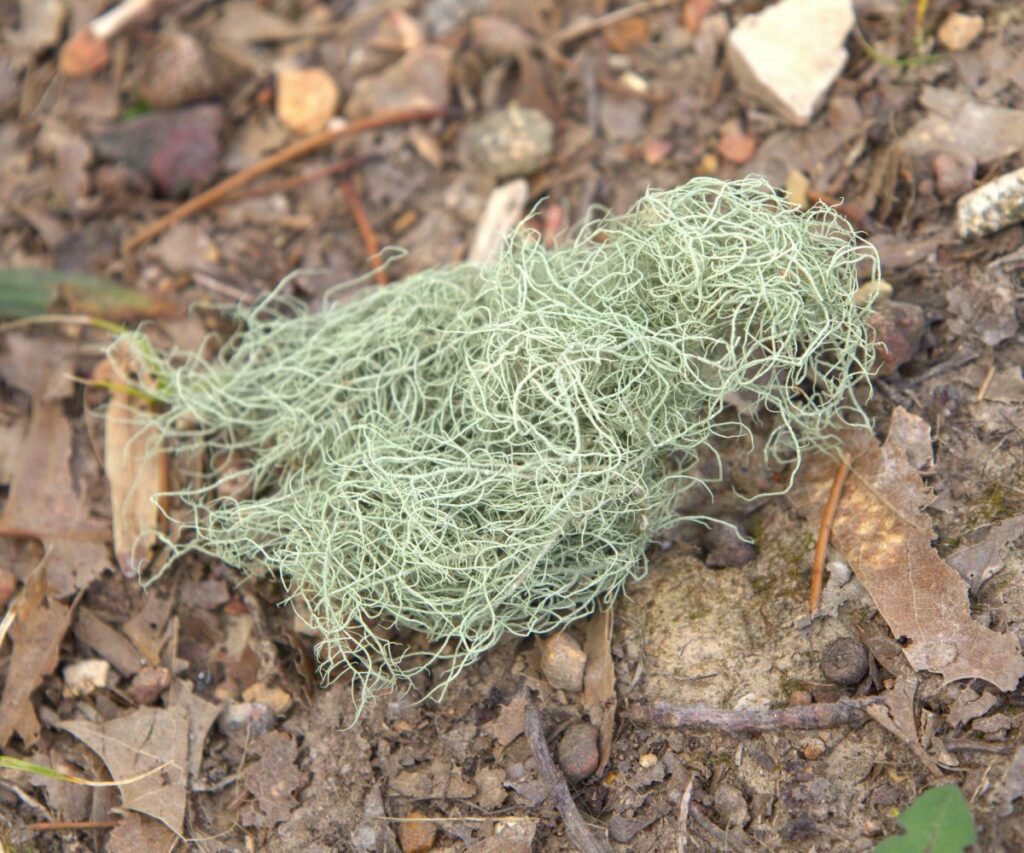
Humans have utilized usnea for thousands of years across various cultures and regions.
This remarkable lichen offers a wide range of practical applications due to its distinctive and complex chemical makeup. It frequently appears as a key component in products like cosmetics, cleaning agents, pharmaceuticals, and beyond.
What specific purposes can this versatile lichen serve? Continue reading to uncover 15 scientifically supported benefits of usnea and explore effective ways to incorporate it into your daily routine for enhancing both household wellness and personal health.
Usnea Uses and Benefits
Usnea stands out as a rare gem among natural healing substances.
Every variety of this lichen contains usnic acid, the signature compound extensively researched for its potent antiseptic qualities. Yet, usnea offers far more than just combating germs.
Its diverse array of polyphenols and unique acidic compounds enable it to fulfill numerous roles in promoting health and well-being, dramatically amplifying its overall utility.
1. Natural Antibiotic Properties
Among the most ancient uses of usnea is its role as a natural antibiotic. Contemporary clinical studies validate this traditional application, highlighting usnic acid’s exceptional efficacy against gram-positive bacteria, including strains like streptococcus and staphylococcus.
Both usnea itself and medications derived from it have demonstrated potential in combating even those bacterial strains resistant to conventional antibiotics.
The optimal method for employing usnea as an antibiotic varies based on the site of the infection. For internal issues such as urinary tract or kidney infections, a tincture proves most effective, whereas ointments or salves work best for external skin afflictions.
Additionally, usnea excels at addressing lung infections, positioning it as a valuable ingredient in homemade cough syrups or fire cider remedies.
2. Potent Anti-Inflammatory Effects
Inflammation appears to be a widespread concern in modern life, yet usnea provides relief by tackling it from multiple root causes.
Whether dealing with gut irritation, muscular aches, or swollen joints, this lichen delivers comprehensive support.
To address inflammation effectively, select preparations like tinctures, salves, oil infusions, or usnea powders, tailoring the choice to the location and trigger of the inflammation.
3. Effective Pain Relief
Usnea acts as a powerful analgesic, with research indicating its pain-relieving capabilities rival those of the NSAID noraminophenazone, once widely used.
When taken internally, it can ease sore throats and ulcers, often outperforming other medications due to its concurrent strong anti-inflammatory actions.
Externally, it serves as an ideal component for homemade balms targeting muscle pain or joint discomfort.
4. Accelerates Wound Recovery
For generations, usnea has been a staple in wilderness first aid kits, applied topically to handle cuts, insect bites, and other injuries.
Beyond preventing and curing infections via usnic acid, scientific investigations reveal that it accelerates the healing process when used as a powder or poultice.
Specifically, usnic acid stimulates vascular regrowth and skin keratinization, fostering the development of robust new collagen at injury sites.
5. Enhances Skin Vitality
Usnic acid truly shines as a protector for the skin. Its antimicrobial and antiseptic attributes thoroughly cleanse the skin and eliminate harmful bacteria, while its anti-inflammatory and antioxidant properties alleviate oxidative stress, helping to minimize wrinkles and discoloration.
Studies also indicate usnea’s capacity to shield against ultraviolet radiation, making it highly suitable for sunscreen formulations and various cosmetic products.
The most effective approach involves creating salves or balms from usnea oil extracts to reap these skin-nourishing rewards.
6. Potential Cancer-Fighting Capabilities
Usnic acid has been established as a cytotoxin capable of targeting specific cancer cell types.
In human trials involving oral cancer, usnea extracts elevated oxidative stress and inhibited DNA replication in CLS-354 cancer cells, yielding notable anticancer outcomes.
Animal-based research further supports its efficacy against melanoma and glioma tumors.
A key advantage highlighted in studies is usnea’s selective targeting of malignant cells while sparing healthy ones.
To maximize polyphenol and usnic acid concentrations for this purpose, prepare tinctures using a dual-extraction process with both water and alcohol.
7. Supports Healthy Weight Management
Skepticism surrounds many so-called weight loss miracles, and usnea is no exception-yet substantial evidence suggests usnic acid aids in optimizing lipid metabolism.
Experiments on animals have demonstrated that it curbs weight gain on high-calorie diets, lowers triglyceride levels, and enhances cholesterol profiles.
Incorporating a moderate daily dose of dual-extracted usnea tincture into your routine may simplify the challenges of sustainable weight loss.
8. Bolsters Cardiovascular Wellness
By regulating cholesterol and triglycerides, usnea emerges as a formidable ally for heart health.
Moreover, it has been shown to diminish atherosclerosis-the progressive hardening of arteries-particularly in the aortic region surrounding the heart.
Usnea further contributes by inhibiting blood clot formation, which can precipitate heart attacks, strokes, and other critical cardiovascular incidents. For those at elevated risk, consulting a healthcare provider about short-term usnea supplementation could be prudent until risks are managed.
9. Combats Fungal Infections
Usnea proves highly effective against numerous yeast and fungal species, making it invaluable for managing candida overgrowth and various ringworm varieties.
Topical application of usnea oil addresses ringworm or fungal issues on nails, cuticles, or scalp. For oral fungi, ingest tinctures or oils, and for yeast infections, a therapeutic soaking bath works wonders.
When undergoing antibiotic treatment for bacterial infections, adding usnea tincture can be strategic. Antibiotics often disrupt beneficial gut bacteria, fostering fungal proliferation and secondary infections-usnea helps counteract this by eliminating excess fungi.
10. Viable Survival Nutrition
Usnea is safe to eat and boasts a noteworthy vitamin C content. That said, personal experience confirms it lacks appeal when consumed solo.
Excessive intake poses risks to liver function. Given these precautions, reserve direct consumption of usnea for dire survival situations only.
11. Reduces Fever Effectively
Traditionally employed as an antipyretic, usnea has been validated in studies for lowering body temperature in fever-afflicted animal models.
This quality renders it an excellent choice for cold and flu remedies, particularly when combined with supportive herbs like elderberry and echinacea.
12. Breaks Down Kidney Stones
Several usnea species harbor barbatic acid, which exhibits strong litholytic properties-effectively dissolving mineral accumulations from calcium and magnesium, primary culprits in kidney stone formation.
Individuals suffering from kidney stones may find relief through usnea tincture, which assists in fragmenting these deposits.
13. Natural Diuretic Action
Barbatic acid in usnea demonstrates diuretic effects, promoting the elimination of surplus bodily fluids. This proves especially useful during kidney stone breakdown but extends to other fluid retention scenarios.
Fluid buildup arises from factors like salty diets, rigorous exercise, or chronic stress. Usnea tincture facilitates water release, alleviating bloating, swelling, and discomfort while boosting mobility and ease.
14. Emerging Antiviral Potential
Usnea displays preliminary antiviral activity. Research has evidenced effectiveness against COVID-19 in one study, with others suggesting benefits against HPV.
Further investigation is required to solidify these findings and elucidate mechanisms. Nonetheless, including usnea tincture during viral illnesses presents a low-risk supportive measure.
15. Traditional Natural Dye Source
Historically, usnea served as a popular natural dye, though its use declined due to ecological concerns. For those with plentiful fallen usnea on their land, it remains a viable option.
Dyeing with usnea is straightforward, even for novices, yielding deep brown shades on fibers, with variations depending on the lichen species.
Important Usnea Contraindications
Understand that usnea functions primarily as a targeted treatment rather than a daily supplement. All listed applications suit short-term therapeutic use exclusively.
Daily long-term consumption is not advised due to associated risks.
What precisely are these risks? The therapeutic usnic acid in usnea has been associated with liver toxicity in human and animal studies.
Human cases of toxicity occurred following ingestion of usnic acid as a concentrated weight loss supplement. While most individuals recovered fully, some required liver transplants-a grave concern.
Does this necessitate complete avoidance? Not necessarily; context is crucial. The implicated supplements included other potentially hepatotoxic ingredients, and delivered pure usnic acid at doses exceeding 300 milligrams daily.
Achieving such levels from usnea is improbable, as usnic acid comprises up to three percent of the lichen’s dry mass, varying by species. Homemade preparations like tinctures, teas, or oils extract only fractions of available usnic acid, administered in mere drops. Topical salves pose no known toxicity risks.
As with many compounds, dosage determines safety. Employed judiciously for brief treatments, adverse effects remain highly unlikely.
Harness these impressive usnea benefits through diverse preparation methods. From tinctures to innovative lichen-infused cosmetics, endless possibilities await exploration.