Featured Content




Enter your email address below and subscribe to our newsletter

Your Next Move, Planned.
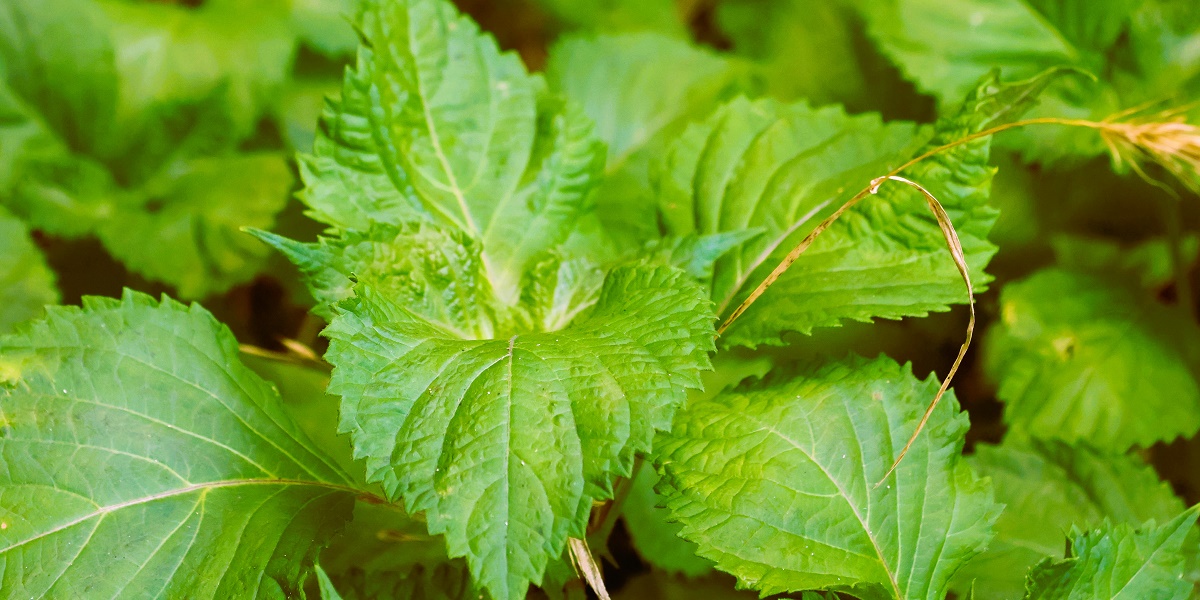
Perilla mint represents a valuable asset for both your kitchen pantry and natural remedy collection.
This versatile herb enjoys widespread acclaim in traditional Eastern medical practices and culinary traditions. For individuals in the United States, it’s particularly advantageous because it flourishes abundantly throughout the country in warm seasons.
Explore the leading 10 applications for incorporating perilla mint into your daily cooking adventures and health maintenance practices!
Known alternatively as beefsteak plant, shiso, or Chinese basil, perilla mint belongs to the Lamiaceae family, which also includes familiar plants like spearmint and purple dead nettle.
This herb serves as an outstanding ingredient whether prepared cooked or enjoyed fresh in its raw form. Its flavor profile delivers a distinctive peppery tang with acidic notes and a subtle hint of anise, although these characteristics may differ slightly depending on regional growth conditions and specific varieties. Regardless, it offers a refreshing departure from conventional mint varieties.
Perilla mint boasts high levels of vitamin C along with a wealth of antioxidants, making it an ideal addition to various dishes. Toss it into fresh salad blends for added zest, simmer it in hearty stews, incorporate it into baked casseroles for depth of flavor, or pickle the leaves to provide a satisfying crunch. The fresh foliage shines when crushed and mixed into invigorating cocktails or homemade lemonade, while drying the excess leaves allows you to create a custom spice blend for year-round use.
In areas where perilla mint proliferates extensively across vast fields and dried riverbeds, the abundance makes it feasible to process the seeds into a valuable oil.
To produce this oil, harvest the seeds only when they reach full maturity, a process that demands considerable time and careful hand-picking. Essential equipment includes an oil press; fully electric models operate effortlessly but come at a higher cost, whereas manual options like the Piteba expeller press require more effort yet remain budget-friendly.
The resulting perilla oil holds esteemed value in both gourmet cooking and skincare routines. Packed with omega-3 fatty acids, it imparts a distinctive taste featuring rich nuttiness complemented by gentle sweetness.
Perilla mint stands out as a robust natural agent for combating inflammation across a range of situations. The key bioactive component, a polyphenolic flavonoid named luteolin, works by suppressing the production and release of inflammatory cytokines throughout the body.
Additionally, it exhibits strong anti-pruritic qualities, effectively alleviating itching, which makes it particularly suitable for external applications. Creating an infused oil from perilla leaves and transforming it into a soothing salve can provide relief for various skin ailments, including psoriasis, eczema, and general irritations.
Among its compounds, perilla mint contains Isoegomaketone, which accelerates the wound-healing process by stimulating the proliferation of new skin cells. When faced with a cut or scrape outdoors, prepare a fresh poultice from perilla leaves and apply it directly to the affected area for prompt care.
Alternatively, produce perilla-infused oil by steeping dried leaves in a carrier oil over several weeks, then straining out the plant material. This oil can be massaged gently onto the skin, or blended with beeswax to formulate a healing salve for sustained use.
Luteolin derived from perilla seeds demonstrates proven antimicrobial capabilities, showing particular efficacy against conditions like gingivitis and oral streptococcus bacteria.
The leaves, especially when extracted using ethanol, display inhibitory effects against staphylococcus bacteria.
Incorporating perilla mint for its antimicrobial benefits can be straightforward: simply consume the leaves in meals, prepare an alcohol tincture for internal use, or craft perilla-based soap for external cleansing and protection.
Perilla seed oil, abundant in omega-3 fatty acids and polyphenols, delivers essential nourishment and moisture to the skin. It includes alpha-linolenic acid (ALA), which supports the production of ceramides-crucial lipids that fortify the skin’s natural barrier against environmental stressors.
Research involving perilla leaves has revealed their beneficial impact in countering UVB radiation damage, promoting the repair of skin cells post-exposure while providing potent antioxidant protection. Formulating an after-sun salve with perilla offers an excellent method to harness these restorative skin benefits.
For centuries, traditional Chinese medicine has employed perilla mint as a tonic specifically targeted at kidney function. Contemporary scientific studies corroborate this longstanding use, indicating that perilla extracts can effectively address advanced chronic kidney disease (CKD) and even renal failure.
Luteolin emerges as the primary compound responsible for these kidney-protective effects. To extract and utilize it, create a tincture using high-proof alcohol and incorporate it into a daily supplementation regimen.
A double-blind clinical trial demonstrated that individuals suffering from gastrointestinal issues who received perilla leaf extract experienced marked improvements in symptoms such as bloating, abdominal rumbling, sensations of fullness, and overall digestive unease, outperforming those given a placebo.
Perilla seed oil also contributes positively to intestinal wellness. In a study where participants supplemented with 9 grams of the oil daily for eight weeks, they exhibited greater microbial diversity in their gut flora and reduced constipation severity.
Notably, these improvements in gut microbiota diversity endured even after a 10-week period without supplementation, suggesting that brief use of perilla oil may yield enduring gastrointestinal advantages.
Intriguing research highlights perilla mint’s potential role in mitigating weight gain and related health complications. In an experiment with laboratory rats on a high-fat, calorie-dense diet, those supplemented with perilla gained substantially less body weight. They also displayed healthier blood lipid levels and reduced fat accumulation in the liver.
While perilla does not qualify as a miraculous weight-loss solution, these findings warrant attention. Consider integrating perilla supplementation during times of increased fat intake to potentially safeguard against rapid weight increases and unfavorable cholesterol elevations.
Perilla mint has gained popularity as a natural remedy for hay fever and other seasonal allergies. Supporting evidence confirms its efficacy, as the leaves exhibit anti-itch properties alongside antihistamine actions that counteract acute allergic responses.
A key constituent, rosmarinic acid, contributes anti-inflammatory and allergy-mitigating effects. Apply it topically for mild skin reactions or consume it orally via tincture to navigate allergy seasons more comfortably.
Although perilla mint proves safe for human consumption and use, it poses significant risks to animals. Numerous cases report fatalities among ruminant livestock from ingesting perilla, and its ketones can induce illness in domestic pets such as dogs and cats.
Therefore, prevent your animals from accessing or consuming beefsteak plants. Harvesting abundant perilla not only benefits your personal supply but also protects the local ecosystem and safeguards your pets, creating a win-win scenario.